




With rising concerns about indoor air quality, many of us are looking for solutions. The debate often boils down to two choices: modern technology in an air purifier or the natural appeal of houseplants. But which one is truly effective?
The Pollutants Hiding in Your Home
Before comparing
solutions, it helps to know what we are up against. Indoor air can be surprisingly more polluted than the air outside. Common culprits in Indian homes include fine particulate matter (PM2.5) from cooking smoke, dust, and outdoor pollution seeping in. Other invisible threats are volatile organic compounds (VOCs), which are gases released from everyday items like cleaning products, new furniture, paints, and even incense sticks. Over time, constant exposure to these pollutants can contribute to respiratory issues, allergies, and general discomfort.
Air Purifiers: The Mechanical Powerhouse
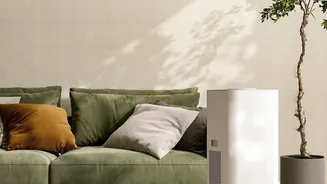
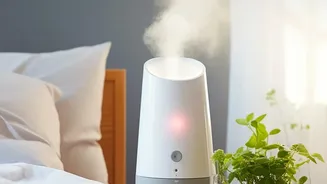
An air purifier works by pulling in room air and forcing it through a series of filters. The most important of these is the HEPA (High-Efficiency Particulate Air) filter, which is designed to capture 99.97% of tiny particles like dust, pollen, pet dander, and PM2.5. Many units also include an activated carbon filter, which is crucial for adsorbing gases and odours, including many VOCs. The effectiveness of an air purifier is measured by its Clean Air Delivery Rate (CADR). This number tells you how much clean air it produces per hour. To choose the right size, you need to match the CADR to your room's volume. A general rule is that the purifier should be able to clean the air in your room about four to five times per hour for effective results. A unit that is too small for its space simply won't be able to keep up with the constant introduction of new pollutants.
Houseplants: The Myth of the Natural Purifier
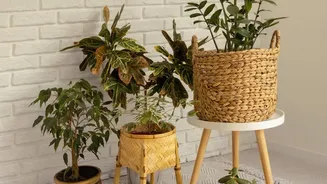
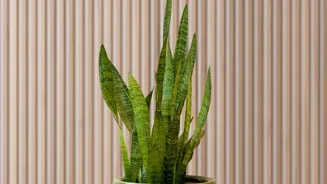
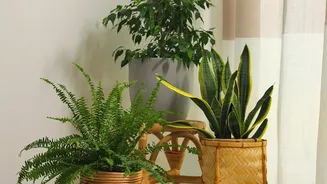
The belief that houseplants can clean our air comes largely from a 1989 NASA study which found that plants could absorb VOCs in a small, sealed chamber. This finding has been widely popularised, leading many to believe a few pots of snake plants or peace lilies can replace a mechanical filter. However, subsequent research has shown this is not practical in a real-world home. Your home is not a sealed lab chamber; air circulates, windows leak, and pollutants are continuously generated. Studies have calculated that you would need an enormous number of plants—anywhere from 10 to 1,000 per square meter—to even begin to match the air-cleaning power of a building's natural ventilation, let alone an air purifier. To put it simply, the air cleaning rate of a few plants is negligible compared to a machine designed for the job.
Effectiveness, Cost, and Maintenance
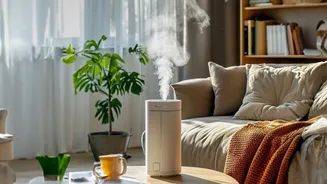
When it comes to removing the most dangerous pollutants like PM2.5, air purifiers are the clear winners. Plants have almost no effect on particulate matter. For VOCs, plants can absorb tiny amounts, but air purifiers with carbon filters are thousands of times more efficient. Cost is another factor. While houseplants have a low initial cost, air purifiers require an upfront investment, plus ongoing costs for electricity and filter replacements (typically every 6 to 12 months). However, plants require regular maintenance like watering and pruning. Overwatering can even lead to mould growth in the soil, which can release spores into the air and worsen air quality. In terms of speed, an air purifier can significantly reduce airborne particles in a room within an hour. A plant's purification effect, even if multiplied by hundreds, is far too slow to make a noticeable difference in a dynamic home environment.
The Verdict: A Complementary Approach, Not a Competition
For the specific task of cleaning indoor air of harmful pollutants, an air purifier is unquestionably the more effective and reliable solution. The science is clear that houseplants cannot substitute for mechanical filtration, especially in urban areas with high levels of particulate pollution. However, this does not mean plants are useless. They offer significant benefits that machines cannot. Studies have shown that indoor plants can boost mood, reduce stress, enhance concentration, and add natural beauty to a space. They can also help regulate humidity. The best strategy is to see them as having two different jobs. Use a correctly sized air purifier for the heavy lifting of pollutant removal. Then, add houseplants for their aesthetic and psychological benefits, creating a space that is not only healthier to breathe in but also more pleasant to live in.