






Why Fibre is Your Morning’s Best Friend
Dietary fibre, or roughage, is a type of carbohydrate your body can't digest. [4, 6] While that might sound counterintuitive, its indigestible nature is precisely what makes it so beneficial. There are two main types: soluble fibre, which dissolves in water
to form a gel-like substance, and insoluble fibre, which does not. [9, 11] Soluble fibre, found in foods like oats and beans, helps slow digestion, which keeps you feeling full for longer and helps control blood sugar levels by preventing sharp spikes after a meal. [4, 5, 14] It can also help lower 'bad' LDL cholesterol. [14] Insoluble fibre, present in whole grains and vegetables, adds bulk to stool, promoting regular bowel movements and preventing constipation. [6, 14] Starting your day with a fibre-rich meal kickstarts your metabolism, provides a steady release of energy, and helps you feel satiated, reducing the urge to snack on less healthy options before lunch. [16]
Are You Getting Enough?
The Indian Council of Medical Research (ICMR) suggests adults should aim for about 25-30 grams of fibre daily. [3] However, studies show that many urban Indians consume only about 15 grams per day, falling significantly short of the recommendation. [3] This gap is often due to an increased intake of processed foods and refined grains like maida and white rice, which have been stripped of their natural fibre content. A chronic low-fibre diet is linked to a host of issues, including constipation, fluctuating blood sugar levels, and a higher risk of chronic diseases. [3, 7] The good news is that bridging this gap is easier than it sounds, especially with the wealth of fibre-rich ingredients in a traditional Indian kitchen.
Classic Indian Breakfasts, Reimagined for Fibre
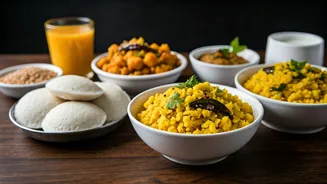
You don't need to look for exotic ingredients to build a high-fibre breakfast. Many beloved Indian classics can be easily adapted. Instead of regular poha, opt for brown rice poha and load it up with vegetables like peas and carrots, plus a handful of roasted peanuts for extra crunch and fibre. [18] If you enjoy upma, try making it with broken wheat (dalia), oats, or millets like foxtail millet instead of semolina (sooji). [2, 18, 19] A vegetable dalia is a wholesome and filling option that provides sustained energy. [23] For dosa and idli lovers, switching from white rice batter to one made with millets like ragi or incorporating brown rice can significantly increase the fibre content. [2, 18] Even a simple besan chilla becomes a fibre powerhouse when mixed with chopped vegetables like spinach and carrots. [2, 8]
Millets and Legumes: The Unsung Heroes
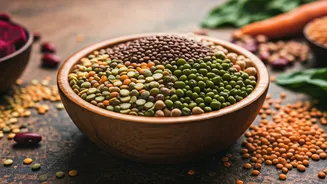
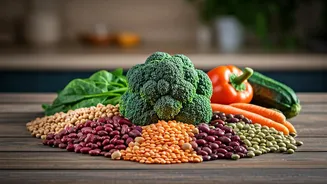
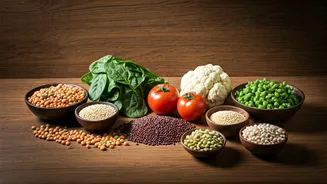
Millets are making a strong comeback for a reason. Grains like ragi (finger millet), jowar (sorghum), and bajra (pearl millet) are naturally gluten-free and packed with fibre. [22, 25] A simple ragi porridge or jowar roti can be an excellent start to the day. Legumes are another fantastic source. A chilla made from moong dal batter, for instance, is light on the stomach but high in both fibre and protein. [2] Sprouted moong salad, tossed with paneer and simple spices, offers a refreshing and nutrient-dense breakfast that requires no cooking. [2] These ingredients have been part of Indian food heritage for centuries and are perfect for a modern, health-conscious diet.
Simple Swaps for a Fibre-Rich Start
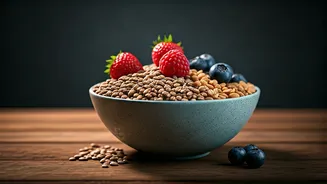
Incorporating more fibre into your morning routine doesn't require a complete overhaul. Start with small, manageable changes. Swap white bread for whole-wheat or multigrain bread, ensuring 'whole wheat flour' is the first ingredient on the label. [12] Add a tablespoon of chia seeds or ground flaxseeds to your smoothie, yogurt, or even on top of your poha. [12, 22] Include a side of fruit with your breakfast; bananas, guavas, and apples are great fibre-rich options. [13, 21] When making parathas, use whole-wheat flour and stuff them with fibre-dense vegetables like grated cauliflower, radish, or leafy greens like spinach and methi. [18] Finally, remember to increase your water intake as you increase your fibre consumption to help your digestive system adapt smoothly. [12, 15]