




From Possessions to Pottery
Not long ago, gifting followed a predictable script: gadgets, clothes, jewellery, or elaborate hampers. While these still have their place, a growing number of urban Indians are choosing to give something less tangible but more memorable: an experience.
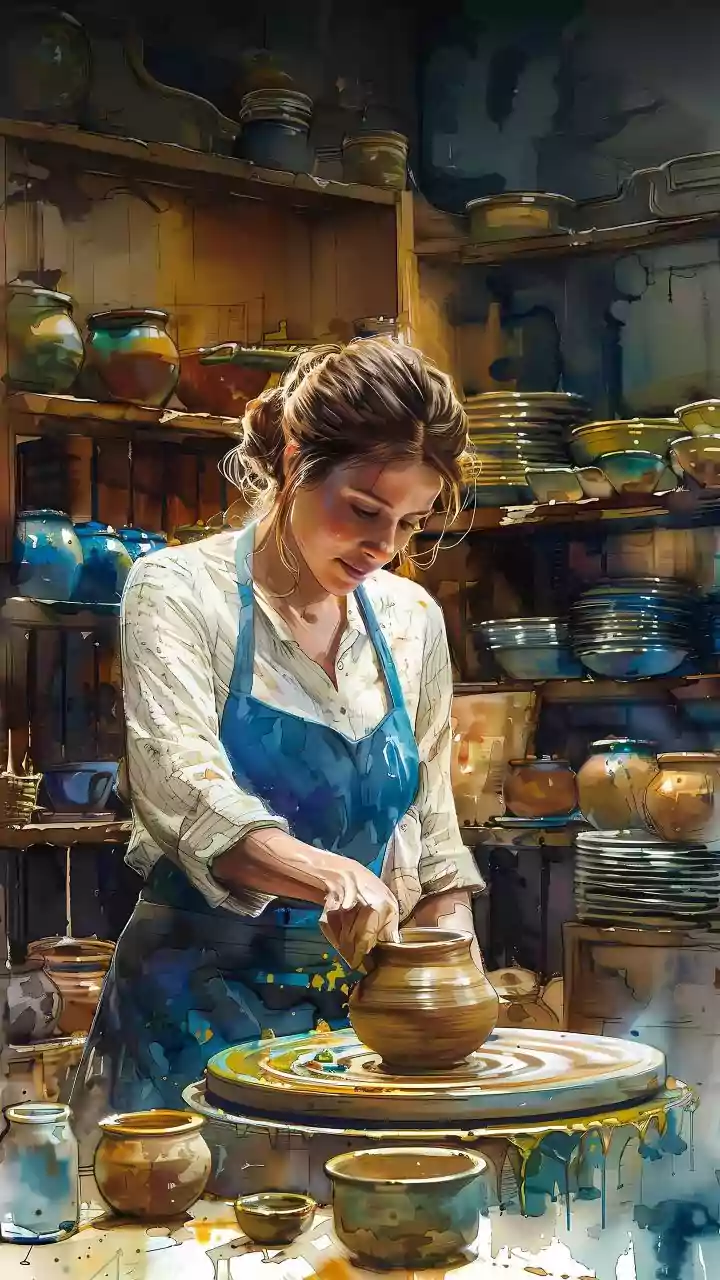
This could be a voucher for a weekend pottery class, a curated coffee-tasting session, a sourdough baking workshop, or even a guided trek. The shift is from accumulating objects to collecting memories. Instead of another item that might end up gathering dust, experiential gifts offer the chance to learn a new skill, discover a passion, or simply spend quality time with loved ones. It’s a move away from passive consumption towards active participation.
The Search for Meaning and Connection
So, what's driving this change? For many, especially millennials and Gen Z, it reflects a deeper search for meaning. In a world of digital saturation and demanding work schedules, urban loneliness has become a quiet reality. Experiences offer a powerful antidote. A shared activity, whether it's a cooking class or a dance workshop, creates a space for genuine human connection that a material gift often cannot. This generation increasingly values personal growth and emotional well-being over material status. An experience is not just a gift; it's an investment in oneself and in relationships, offering stories to tell rather than things to own.
The 'Grammable' Gift
The influence of social media cannot be ignored. While the desire for authenticity is real, so is the appeal of a shareable moment. An afternoon spent learning fluid art or a session at a mixology workshop provides compelling content for Instagram feeds. This isn't just about showing off; it's about building a personal brand and identity through the activities one engages in. Experiences have become a new form of social currency. They signal a life rich in activity, curiosity, and personal development. In this context, the visual and narrative appeal of an experience often outweighs that of a traditional gift.
A Conscious Consumer's Choice
Sustainability is another powerful motivator. As awareness about environmental issues grows, many consumers are actively seeking to reduce waste and reject a culture of hyper-consumerism. Gifting an experience is an inherently minimalist and eco friendly choice. It creates no packaging waste and doesn't contribute to household clutter. This aligns perfectly with the values of a growing number of urban Indians who prefer to spend their money ethically. By choosing an experience, givers can make a statement about their commitment to the planet, a sentiment that resonates strongly with the recipient.
The Business of Experience
This cultural shift has not gone unnoticed by entrepreneurs. A burgeoning 'passion economy' has emerged, with individuals turning their skills in everything from baking and sculpting to gardening and marketing into workshop based businesses. At the same time, curated online platforms and apps have made it easier than ever to discover and book these activities, removing the friction for both the giver and the receiver. Companies are responding to a clear demand, not just for occasional indulgences, but for experiences that can be woven into the fabric of everyday urban life. The Indian gifting market, expected to reach over $92 billion by 2030, is seeing a significant portion of this growth driven by experience led and sustainable offerings.