


A catastrophic high-speed train collision in Spain has sent shockwaves across the globe, sparking an urgent debate in India. As the nation invests billions in its own bullet train dream, the tragedy raises a critical question: how safe are our future
tracks?
Tragedy on the Tracks in Spain
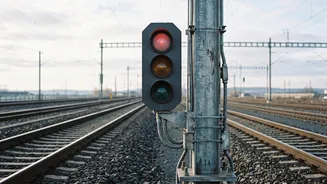
On October 28, 2026, Spain's celebrated high-speed rail network became the scene of a disaster. A passenger train travelling from Madrid slammed into a stationary train near the town of Urda, resulting in 69 fatalities and scores of injuries. The incident was the country's second fatal high-speed crash in the same year, shattering public confidence and leading to the resignation of the transport minister. Preliminary investigations point towards a combination of technological failure and human error. An automated safety system reportedly failed, forcing a switch to manual control. A control centre then allegedly gave clearance for the train to proceed at normal speed, tragically overlooking the stationary train on the same track. The incident serves as a grim reminder of the potential consequences when automated safeguards fail and manual protocols are not perfectly executed.
India's High-Speed Ambition
Meanwhile, India is on the cusp of entering the high-speed rail era. The flagship Mumbai-Ahmedabad High-Speed Rail (MAHSR) corridor is rapidly taking shape. This 508-kilometre line, being built with Japanese technical and financial partnership, promises to slash travel time between the two economic hubs to about two hours, operating at speeds up to 320 km/h. With the first section expected to become operational in 2027, the project is a symbol of India's infrastructural ambition. However, the events in Spain have cast a long shadow, prompting experts and the public alike to scrutinize the safety assurances of India's bullet train project.
A Tale of Two Technologies
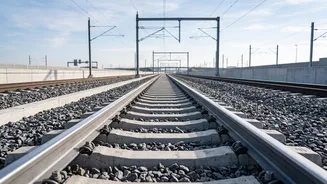
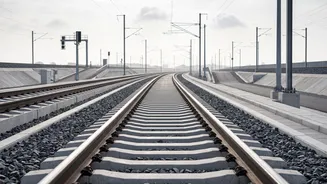
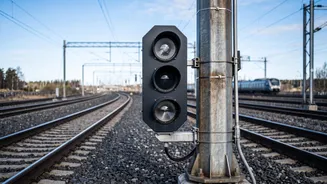
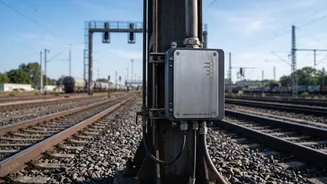
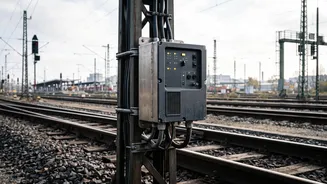
At the heart of the debate is the difference in technology. While Spain uses the European Train Control System (ETCS), which often involves interoperability with existing conventional rail lines, India's MAHSR project is based on Japan's famed Shinkansen system. The Shinkansen philosophy is built on a 'crash avoidance' principle. This is achieved through two core components: a highly advanced Automatic Train Control (ATC) system that manages speed and braking without driver intervention, and a completely dedicated, grade-separated track. This means bullet trains run on their own exclusive lines with no level crossings or interference from slower, conventional trains—a key factor that eliminates many potential conflict points. This closed-loop system is a major reason behind the Shinkansen's unparalleled safety record: zero passenger fatalities due to accidents in over 60 years of operation.
The Shinkansen Safeguards
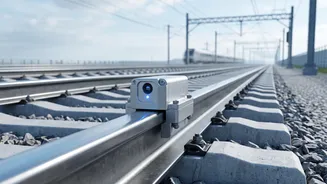
The safety features of the system being installed for the MAHSR corridor are extensive. Beyond the core ATC system, it includes an early earthquake detection system that automatically applies brakes before tremors hit the tracks, a feature proven essential in earthquake-prone Japan. Additionally, advanced track-switching mechanisms known as 'swing_nose crossings' are being installed, specifically designed to handle the precision required for trains moving at over 300 km/h. Proponents argue that comparing the Spanish system, with its different operational philosophy, to the Shinkansen model is misleading. They contend that the Japanese system's design inherently eliminates the very type of risks that led to the Spanish tragedy.
What About India's 'Kavach'?
The conversation around rail safety in India often includes 'Kavach', the country's indigenously developed Automatic Train Protection (ATP) system. Kavach is a major technological achievement, designed to prevent collisions on India's existing, dense rail network by automatically applying brakes if a driver misses a red signal. It is currently being rolled out across high_density corridors operating at speeds up to 160 km/h. However, it's important to note that Kavach is separate from the technology being used for the bullet train. While it represents a massive safety upgrade for the conventional Indian Railways network, the MAHSR will rely entirely on the proven, integrated Shinkansen system for its safety architecture.