


The Problem with Packing for the Moon
For NASA's Artemis program, the goal is not just to visit the Moon, but to establish a sustainable, long-term human presence. This vision includes an eventual Moon base, likely near the South Pole where water ice is believed to be trapped in permanently
shadowed craters. However, the logistics are staggering. Every kilogram of material launched from Earth comes with a hefty price tag. Transporting essential resources like breathable air and the oxygen needed for rocket propellant is one of the biggest limiting factors for long-duration missions. To solve this, scientists are turning to a concept called In-Situ Resource Utilization (ISRU), which essentially means using local materials to create what you need, right where you are. Instead of packing everything, future lunar pioneers will make it themselves.
Mining the Dust for Air
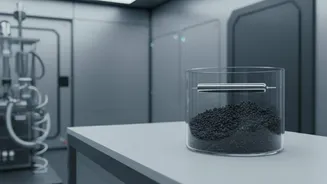
It may sound like science fiction, but the very ground on the Moon is a massive, untapped reservoir of oxygen. The lunar surface is covered in a fine layer of dust and crushed rock called regolith. Analysis shows this material is about 45% oxygen by weight. The catch is that this oxygen isn't a gas floating around; it's chemically locked inside minerals as oxides of silicon, aluminum, iron, and other metals. To make it useful for life support or as a rocket oxidizer, that chemical bond needs to be broken. By developing a way to 'mine' the regolith for this trapped oxygen, NASA and its commercial partners like Blue Origin can fundamentally change the economics of space exploration.
The Science of Breathing Rocks
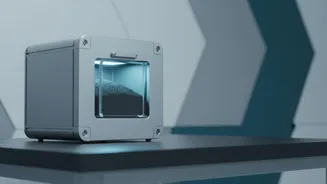
The primary technology being developed to crack open these lunar rocks is called molten regolith electrolysis. The process is conceptually straightforward. First, the regolith is heated to an extremely high temperature, around 1600°C, until it melts into a molten liquid. Then, an electrical current is passed through this molten material. Much like electrolysis splits water into hydrogen and oxygen on Earth, this process separates the components of the molten rock. Gaseous oxygen bubbles up at the positive electrode (the anode) where it can be collected, while the remaining molten metals sink to the negative electrode (the cathode). NASA has been testing various prototypes, including the Carbothermal Reduction Demonstration (CaRD), which uses a high-powered laser to simulate concentrated sunlight for heating. The European Space Agency (ESA) is also funding similar research.
More Than Just Air: A Metallic Bonus
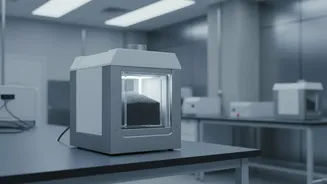
Creating breathable air is the primary goal, but the process yields an incredibly valuable set of byproducts: metals. As the oxygen is stripped away, what's left behind is a mixture of molten iron, aluminum, and silicon. These aren't waste products; they are foundational materials for construction. Instead of launching heavy building supplies from Earth, future lunar inhabitants could potentially use these extracted metals. They could be fed into 3D printers to manufacture tools, spare parts, or even structural components for habitats. Blue Origin's 'Blue Alchemist' program, for example, has demonstrated it can produce silicon with over 99.999% purity from simulated regolith, which is pure enough to manufacture efficient solar cells. This turns a single resource-extraction process into a multi-faceted manufacturing plant.
Building a Future on the Moon
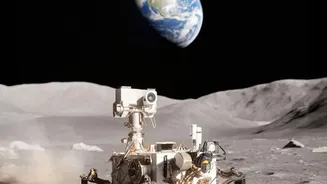
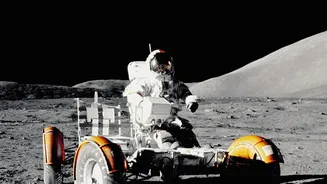
This technology is not just a clever lab experiment; it is a cornerstone of the entire Artemis program's long-term strategy. The ability to generate oxygen on-site provides breathable air for habitats and an oxidizer for rocket fuel, potentially turning the Moon into a refueling station for deeper space missions to Mars and beyond. The extracted metals provide the raw materials for building and repairing infrastructure, reducing dependence on Earth-based supply chains. Companies like Lunar Outpost are already developing the rovers and mobility systems that will be part of this future lunar economy. By learning to turn moon dust into a life-sustaining and structure-building resource, NASA is laying the groundwork to shift humanity's presence on the Moon from a series of visits to a permanent, thriving outpost.