




An Ancient Staple's Humble Roots
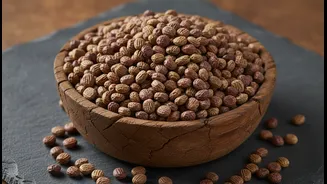
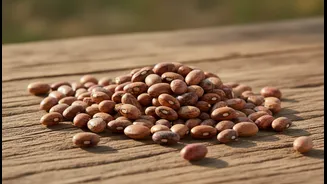
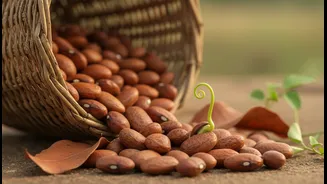
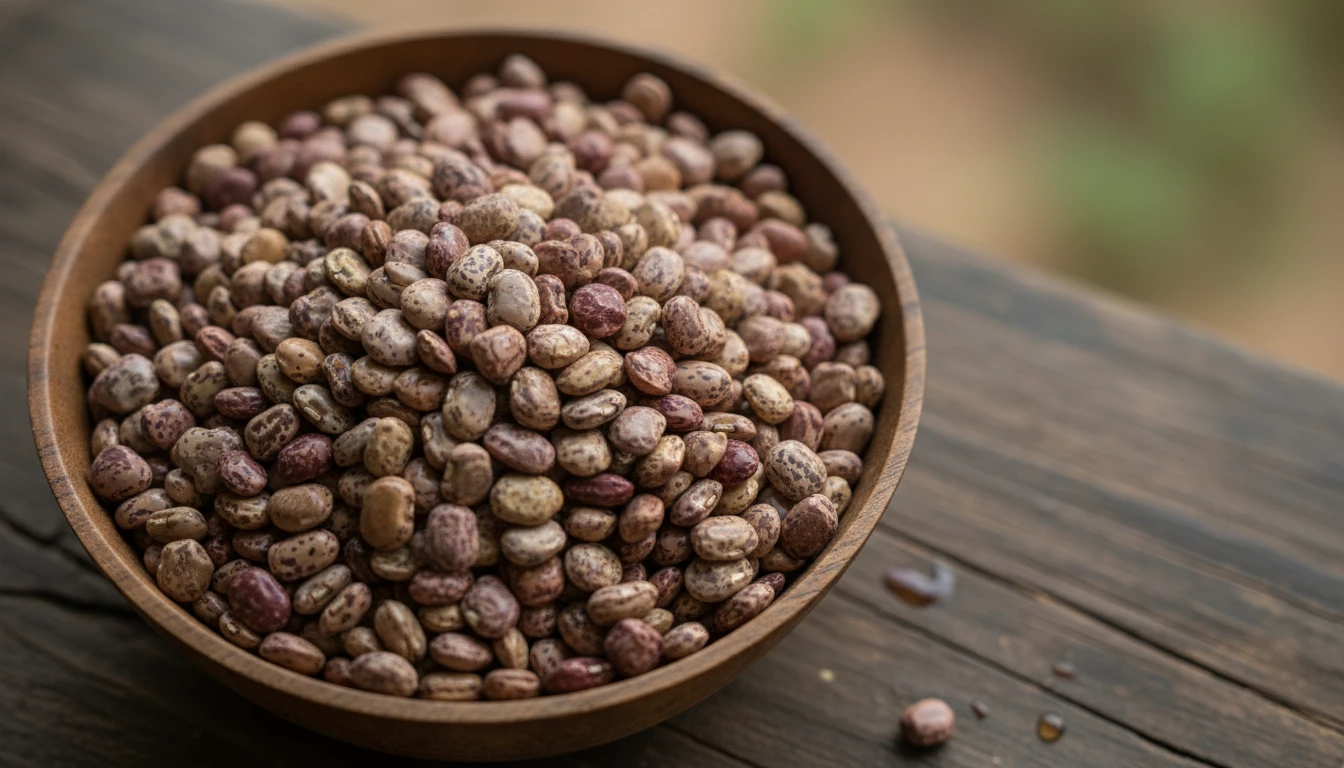
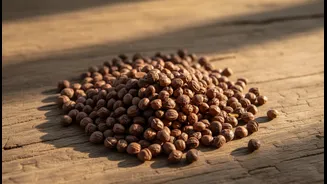
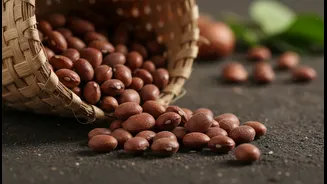
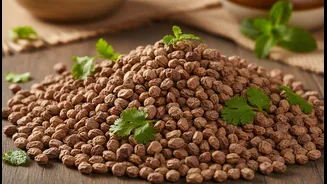
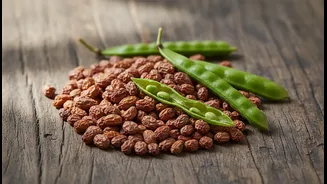
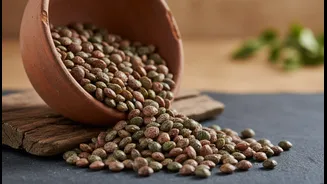
Known as kollu in Tamil, ulavalu in Telugu, and kulthi in Hindi, horse gram (Macrotyloma uniflorum) is one of India’s oldest cultivated pulses. Archaeological evidence suggests it has been part of the Indian diet since at least 2000 BC. For centuries,
this hardy legume was a cornerstone of rural and tribal communities, thriving in arid conditions and poor soil where other crops would fail. Its English name stems from its traditional use as high-energy fodder for horses and cattle, a fact that contributed to its reputation as a 'poor man's food'. This perception, coupled with its intensive preparation process, saw it gradually fade from urban pantries in favour of other lentils.
A Nutritional Powerhouse
Despite its humble past, horse gram’s nutritional profile is anything but ordinary. It is one of the most protein-rich lentils available, making it an excellent source of plant-based protein. It is packed with iron, calcium, and phosphorus, and low in fat. A 100-gram serving delivers around 22 grams of protein and is loaded with essential amino acids, fibre, and antioxidants like polyphenols and flavonoids. Traditional systems of medicine like Ayurveda have long recognised its value, using it to address ailments ranging from kidney stones and asthma to managing blood sugar and cholesterol. Its high fibre content aids in digestion and promotes a feeling of fullness, making it a popular choice for weight management.
Why the Comeback Now?
The resurgence of horse gram is driven by several modern trends. Firstly, there's a growing global interest in 'ancient grains' and indigenous crops that are both nutritious and sustainable. As consumers become more health-conscious, the demand for nutrient-dense, gluten-free, and plant-based options has skyrocketed. Kollu fits this description perfectly. Secondly, its agricultural benefits are gaining recognition. Horse gram is a climate-resilient crop that requires minimal water and inputs, making it ideal for dryland farming. It also enriches the soil by fixing nitrogen, improving fertility for subsequent crops. This makes it a crucial player in conversations around food security and sustainable agriculture in a changing climate.
Bringing Kollu into the Kitchen
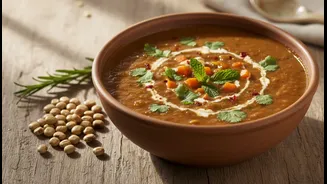
The biggest barrier to horse gram's popularity has often been its preparation time, which typically requires overnight soaking and lengthy cooking. However, modern kitchens are finding ways around this. Pressure cookers significantly cut down cooking time, and the availability of horse gram flour has opened up new possibilities. Traditionally, kollu is used to make warming rasam (a spicy soup), sundal (a stir-fried snack), and hearty curries. Today, its uses are expanding. Sprouted horse gram is added to salads for a crunchy, nutritious boost. The flour can be incorporated into dosa and idli batters or used to make rotis. You can even find creative recipes for horse gram tikkis and soups, blending traditional flavours with contemporary forms.