


Why Millets Matter for Modern Health
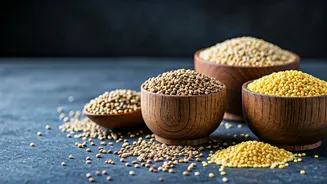
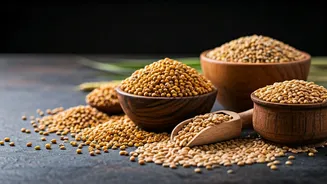
Millets are small-seeded grains that have been a staple in Indian diets for centuries. [2, 5] Their recent resurgence, highlighted by the UN's International Year of Millets, is due to their incredible nutritional profile. [5, 15] These grains are naturally
gluten-free, making them suitable for those with sensitivities. [5, 21] They are packed with dietary fibre, protein, and essential minerals like iron, calcium, and magnesium. [9, 16] This high fibre content aids digestion, promotes a feeling of fullness to help with weight management, and plays a crucial role in regulating blood sugar levels, making them an excellent choice for diabetics. [9, 21] Unlike refined grains that can cause energy spikes and crashes, millets provide a steady release of energy, keeping you active throughout the day. [9]
Getting to Know Your Local Millets
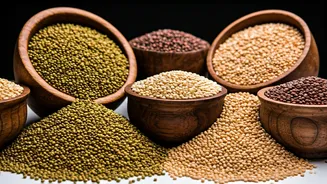
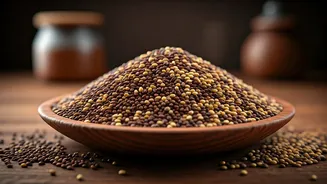
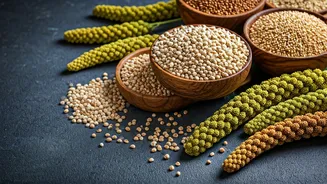
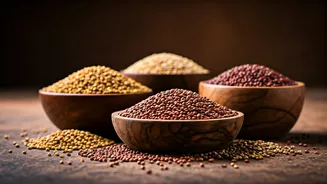
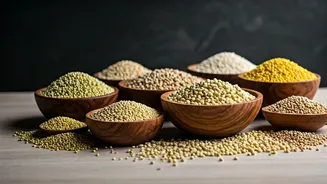
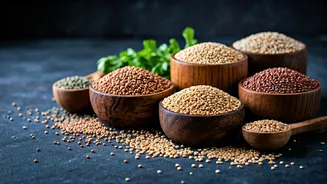
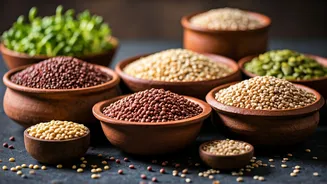
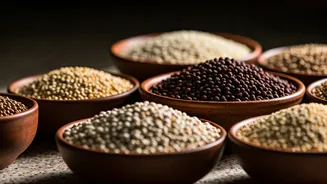
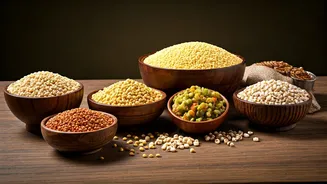
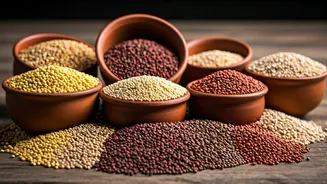
The world of millets is diverse, with each variety offering unique benefits and flavours. Here are some popular Indian millets to begin with: Jowar (Sorghum) is rich in antioxidants and fibre, excellent for making rotis or bhakri. [2, 11] Bajra (Pearl Millet), a winter favourite in states like Rajasthan and Gujarat, is dense in iron and helps keep the body warm. [2, 7, 15] Ragi (Finger Millet) is a powerhouse of calcium, making it fantastic for bone health, especially for children and women. [2, 15] Its flour is commonly used for dosas and porridge. [18] Minor millets like Foxtail Millet (Kangni) and Barnyard Millet (Samak) are lighter on the stomach and cook quickly, making them perfect replacements for rice in dishes like upma, pulao, or khichdi. [2, 4, 5]
Making Millets a Part of Your Week
Incorporating millets doesn't require a complete diet overhaul. The key is to start small and be consistent. A simple strategy is to dedicate specific days or meals to millets. For instance, you could try a 'Millet Monday' with foxtail millet upma for breakfast, a 'Jowar Wednesday' with jowar rotis for lunch, and a 'Bajra Friday' with a comforting bajra khichdi for dinner. [3] This approach prevents you from feeling overwhelmed and allows your family to gradually get accustomed to the new textures and tastes. Another easy swap is to replace white rice with a cooked millet like Kodo or Little millet in one meal a day. [12, 23] You can also mix millet flour with your regular wheat atta to make your chapatis more nutritious. [8, 13]
Simple Tips for Cooking Millets Perfectly
Cooking millets can be just as easy as cooking rice, especially with a few tips. First, always rinse the grains thoroughly. Soaking millets for at least 30 minutes to a few hours can reduce cooking time and make them easier to digest by breaking down phytic acid. [4, 10] As a general rule, use a 1:2 ratio of millet to water for a fluffy, grain-like texture, or a 1:3 ratio for a creamier, porridge-like consistency. [4, 6, 24] For extra flavour, try dry-roasting the millets in a pan for a few minutes before adding water; this brings out a pleasant, nutty aroma. [4, 6] You can cook them in an open pot, a pressure cooker, or a rice cooker, making the process convenient for any kitchen setup. [4, 10]
Easy Millet Swaps in Everyday Indian Cooking
You don't need to learn new recipes to enjoy millets. Simply substitute them into your family's favourite dishes. Prepare your regular idli-dosa batter by replacing some of the rice with ragi or jowar flour for a nutrient-dense breakfast. [13, 23] Instead of a simple rice pulao, make a vibrant vegetable pulao using barnyard or foxtail millet. [10] Millet flour can be used to make delicious and healthy versions of snacks like chillas, pancakes, and even laddoos. [8, 13, 22] For a simple and satisfying meal, a bowl of curd millet, similar to curd rice, is both cooling and nutritious. These small, easy swaps ensure that healthy eating seamlessly fits into your existing routine without feeling like a chore. [12]