
The Unbeatable Snake Plant
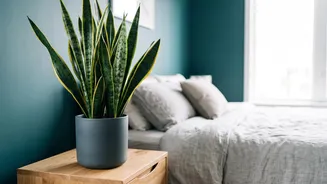
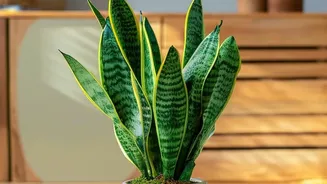
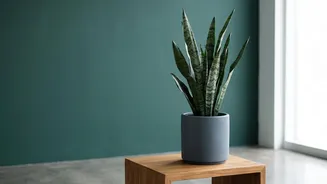
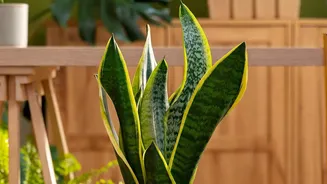
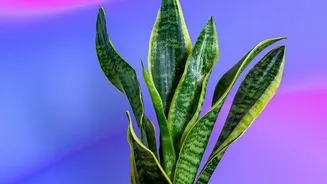
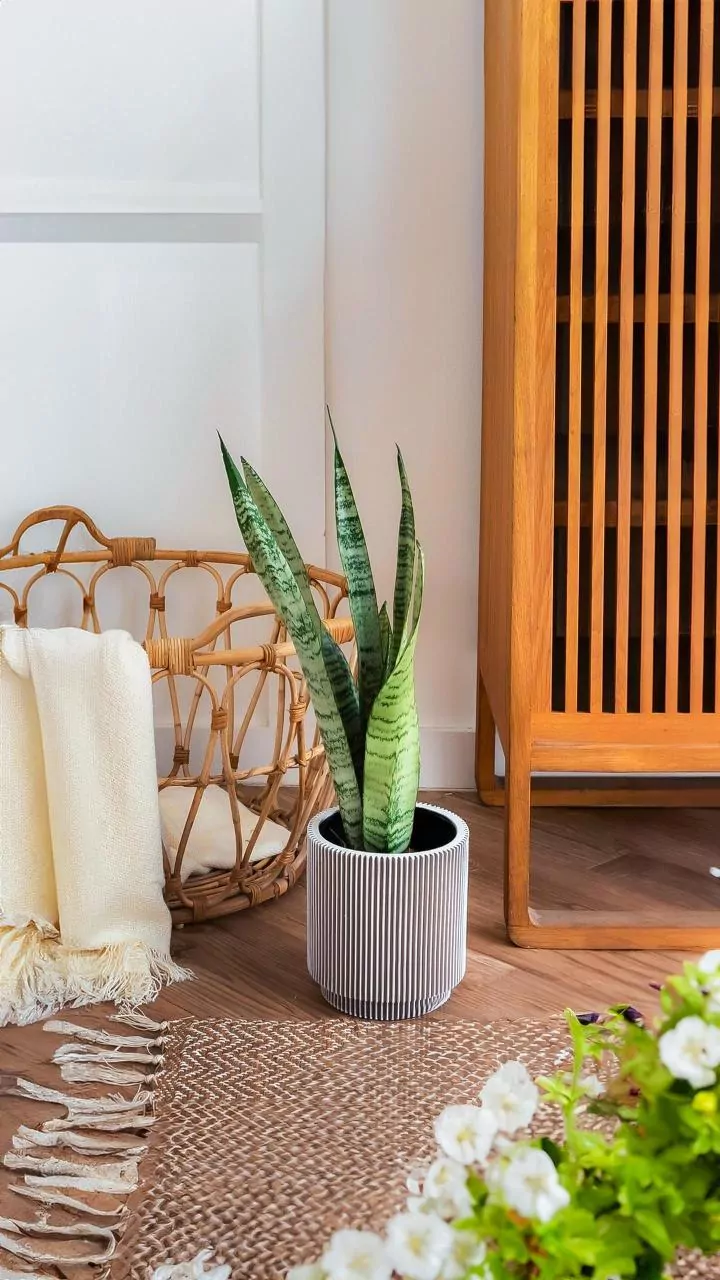
The Snake Plant, or Sansevieria, is the champion of easy-care plants, making it perfect for beginners and busy individuals. Its striking, sword-like leaves add a modern architectural element to any room. This plant is incredibly resilient, tolerating
a wide range of conditions. For best results, place it in bright, indirect light, though it can adapt to low-light corners gracefully. The most common mistake is overwatering. Snake Plants are succulents and prone to root rot if their soil is consistently damp. The rule is simple: let the soil dry out completely between waterings. In the growing season (spring and summer), this might mean watering every 2-6 weeks, and even less in winter. Use a well-draining soil mix, like one formulated for cacti, to ensure excess water escapes.
Troubleshooting Snake Plant Problems
While tough, the Snake Plant will give you signs when it's unhappy. Yellowing, mushy, or drooping leaves are almost always a sign of overwatering. If you see this, stop watering immediately and check that the pot's drainage hole isn't blocked. Allow the soil to dry out completely. On the other hand, if you notice the leaves wrinkling or curling inward, the plant is likely too dry and needs a thorough watering. Though forgiving with light, thin and leggy growth can indicate the plant is stretching for more sun. While it will survive in low light, moving it to a brighter spot will help it maintain its vibrant colour and compact shape. Pests like mealybugs and spider mites are rare but can occur; wiping the leaves with a damp cloth or using neem oil can solve the issue.
The Elegant Peace Lily
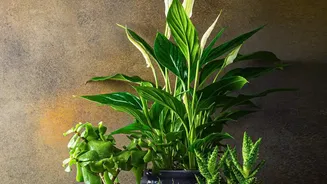
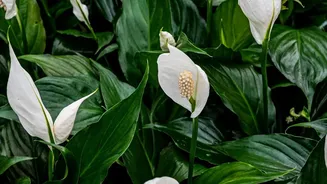
The Peace Lily, or Spathiphyllum, is prized for its lush, dark green foliage and elegant white blooms, which are actually modified leaves called spathes. Unlike the drought-tolerant Snake Plant, the Peace Lily prefers consistently moist soil. Water it when the top inch of soil feels dry, but avoid letting it sit in a water-logged saucer, which can cause root rot. It is famous for its dramatic drooping when thirsty—a clear sign it needs a drink—but try to water it just before it gets to this stage to avoid stressing the plant. Peace Lilies thrive in bright, indirect light and can even tolerate lower light levels, but they need good light to produce their signature white flowers. They also appreciate higher humidity, making them excellent choices for bathrooms or kitchens.
Encouraging Your Peace Lily to Bloom
A common question from Peace Lily owners is how to encourage it to flower again. If your plant is healthy but only producing green leaves, the most likely culprit is insufficient light. While it tolerates shade, moving it to a brighter location with plenty of indirect sunlight is the best way to trigger blooming. Ensuring the plant is mature and has a consistent watering schedule also helps. You can feed your Peace Lily with a balanced houseplant fertiliser diluted to half-strength every 6-8 weeks during the spring and summer growing season to support flower production. Don't worry if the white flowers eventually turn green; this is a natural part of their life cycle.
The Truth About Air Purification
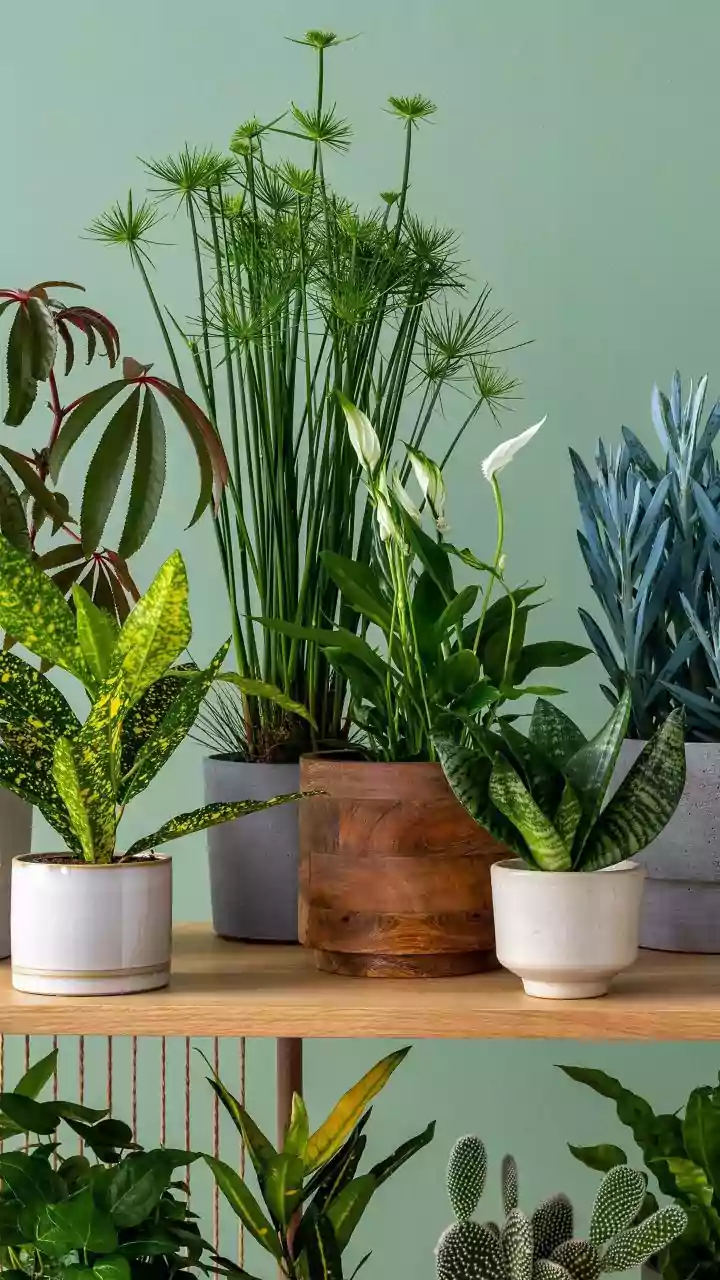
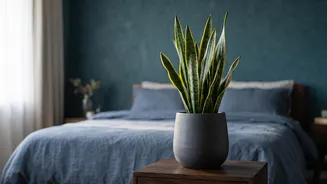
Both Snake Plants and Peace Lilies gained fame for their air-purifying abilities following a 1989 NASA study. The study found these plants could remove toxins like formaldehyde and benzene from the air in a sealed, controlled environment. The Peace Lily was particularly effective. The Snake Plant has the unique ability to convert carbon dioxide into oxygen at night, making it an excellent bedroom companion. However, it is important to have realistic expectations. To significantly purify the air in a typical room, you would need a large number of plants. While they do contribute to cleaner air, their primary benefits in a home setting are often their beauty, their ability to boost moods, and the simple joy of watching them grow.