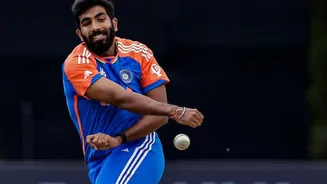






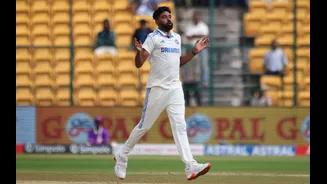


It begins with a shuffle, a stutter-step run that seems too short, too gentle. Then, a sudden, violent explosion of limbs. Jasprit Bumrah’s bowling action is a puzzle, an biomechanical riddle that has left batsmen and traditionalists baffled.
An Action Born in Secret
Unlike the
polished products of elite coaching academies, Bumrah’s action is entirely self-taught. The story goes that as a boy practicing in his house, he had to find a way to bowl without making too much noise. The solution was a short run-up and a bowling style that relied on whipping his arm over to generate pace, rather than a long, thudding approach. This homespun technique, developed to avoid waking his mother, became the foundation of his genius. His childhood coach, Kishore Trivedi, recalls recognising the unique talent early on and made the crucial decision not to change it, telling the young bowler that his odd action was a weapon, not a flaw.
The Biomechanics of Deception
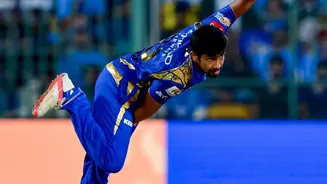
So, what makes the action so difficult to face? It’s a combination of factors that create a perfect storm of unpredictability. First, there's the short run-up which lulls batsmen into a false sense of rhythm. Then, the hyperextension of his bowling arm, a forward bend that is legal due to his natural joint flexibility, creates a 'slingshot' effect. His arm whips through at incredible speed from an unusual angle, and he releases the ball much later and further down the pitch than most bowlers. This effectively shortens the distance the ball travels, giving the batter milliseconds less to react. The result is that his deliveries, especially his searing yorkers, seem to hurry onto the batsman, dipping and skidding in unexpected ways.
The Coach Who Said 'Don't Change'
While Kishore Trivedi nurtured his raw talent, it was former India coach John Wright who fast-tracked him into the elite setup. Scouting for the Mumbai Indians in 2013, Wright witnessed a young Bumrah attempting to bowl a series of fast yorkers in the dying overs of a T20 match. One delivery was so quick it flew over the wicketkeeper's head for four byes after hitting a footmark. Intrigued by the 'interesting action' and raw pace, Wright signed him immediately. He even had the youngster bowl to Sachin Tendulkar in the nets, who later admitted the bowler was 'really hard to pick up'. This endorsement from a legend, coupled with the foresight of coaches like Wright and Trivedi, protected Bumrah’s unconventional style from being coached out of him.
The Constant Injury Risk
The same mechanics that make Bumrah lethal also place immense strain on his body, particularly his back. Biomechanics experts note that his action, especially the significant lateral bend of his upper body at the point of release, puts enormous stress on his lumbar spine. This isn't just theory; Bumrah has suffered multiple back injuries, including stress fractures that have forced him out of the game for extended periods. Managing his workload is a constant challenge for the Indian team. While some experts warned his action would lead to a short career, Bumrah has shown remarkable self-awareness and resilience to manage his body, returning from major surgery to perform at the highest level. His longevity is a testament to his intelligence and rigorous conditioning.
A Constantly Evolving Weapon
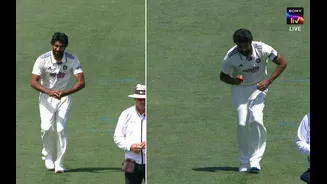
Bumrah's action is not static. He is a clever bowler who constantly adds new skills to his arsenal, such as slower balls and outswingers, to complement his natural in-swinger and devastating yorker. In late 2026, during a Test series in New Zealand, he was even seen experimenting with a new run-up, abandoning his usual two-handed ball carry for a freer, one-handed approach. Teammates confirmed this was a pre-planned tactic rehearsed in practice, likely to alter the rhythm for set batsmen and find momentum on unresponsive pitches. This willingness to tinker and adapt, even with the action that made him famous, shows an active cricketing mind always searching for an edge.