



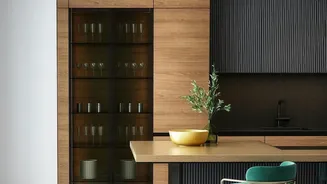
The Larder’s Grand Return
Once a staple of homes before refrigeration, the larder is making a significant comeback, but in a new, flexible form. Historically, a larder was a cool room used to preserve food, its name derived from the practice of storing meat in lard. Today, the term
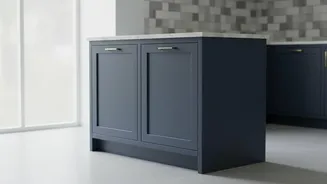
has evolved to describe a standalone piece of furniture—a tall, often beautiful cabinet that offers a wealth of storage. This shift towards the 'unfitted kitchen' look allows homeowners to add personality and function without tearing down walls. It’s a move away from purely built-in uniformity towards curated, individual pieces that work hard and look great.
More Than Just Nostalgia
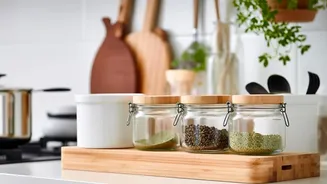
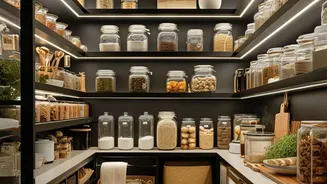
The appeal of the modern larder goes far beyond its charming, retro aesthetic. Its return is fuelled by a desire for supreme functionality. A freestanding larder provides a single, dedicated space for all your dry goods, from spices to cereals, making everything easy to find. This helps to 'zone' the kitchen, keeping cooking ingredients organised and accessible. Furthermore, in an era of open-plan living, these cabinets are masters of disguise, hiding away the daily clutter of small appliances, snack boxes, and baking supplies behind elegant doors. This keeps countertops clear and maintains a sense of calm in the busiest room of the house.
The Ultimate Flexible Friend
One of the most significant advantages of a freestanding pantry is its flexibility, making it perfect for both homeowners and renters. Unlike built-in cabinetry, a larder is an investment piece of furniture you can take with you when you move. It requires no structural changes, allowing you to instantly address storage shortages in an existing kitchen. Whether you have a spacious room with an empty wall or just an awkward corner, there’s likely a freestanding solution that fits. They can also serve as a beautiful transition piece between the kitchen and dining or living areas in an open-concept space.
Choosing Your Perfect Pantry
When selecting a freestanding larder, consider both form and function. Look for a piece that complements your existing kitchen style, whether that's rustic wood, sleek and painted, or a vintage find. Inside, the best larders offer a mix of storage options: adjustable shelves for boxes and jars, drawers for linens, and racks on the doors for spices and smaller items. Some even include a stone or marble 'cold shelf'—a nod to their historic purpose—which is perfect for baking prep. Think about what you need to store most. Is it bulk-bought goods, small appliances, or baking equipment? Choose a configuration that will solve your specific clutter problems.
Beyond the Larder Cabinet
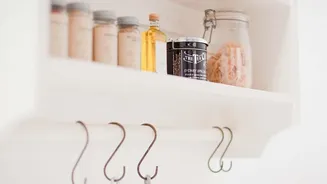
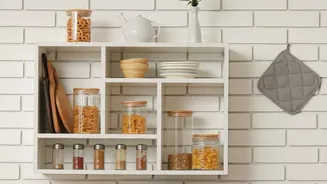
If a full-size larder isn't right for your space or budget, you can still embrace the freestanding spirit to boost your pantry storage. Consider a classic baker's rack with its open-shelf design, perfect for storing attractive canisters, cookbooks, and baskets. Slim, rolling pantry carts can slide into the narrow space next to a refrigerator, providing surprisingly ample storage. You can also mount a shallow cabinet on an empty wall or even repurpose a vintage bookshelf or armoire. The key is to think vertically and creatively, using pieces that add storage and character without requiring a major overhaul.