





Choosing Your Route and Timing
The drive from Bangalore to Agumbe is approximately 350-380 kilometres and typically takes around 7 to 8 hours. There are two primary routes to consider. The first, via Hassan and Belur, takes you through historic towns and offers a chance to see temple
architecture. The second route, via Shimoga and Thirthahalli, is often praised for its scenic beauty, running alongside the Tunga river. While roads on both routes are generally good, the stretch after Thirthahalli becomes a narrow and winding ghat road. For the best experience, plan your trip between October and February. During this post-monsoon and winter period, the weather is pleasant, the landscape is lush green, and the waterfalls are still full, but the heavy rains that can cause landslides have subsided.
Essential Pre-Trip Vehicle Checks
Before you embark on a journey into the rainforest, a thorough vehicle check is non-negotiable. Pay close attention to your tyres, including the spare, ensuring they have adequate tread and are properly inflated. Test your brakes, as you will be relying on them heavily on the steep hairpin bends of the Agumbe ghat section. Check all essential fluids—engine oil, coolant, and brake fluid—and make sure all your lights, including fog lamps, are in working order. Given the remote nature of the ghats, it's also wise to start with a full tank of fuel, as petrol stations become sparse after you leave the main highways. Poor mobile network coverage is common, so downloading offline maps of your route beforehand is a critical safety measure.
Packing for the Rainforest
Packing for Agumbe requires thinking beyond a typical weekend getaway. Given its reputation for rain, waterproof gear is essential regardless of the season. A good quality rain jacket, an umbrella, and a waterproof cover for your backpack should be at the top of your list. Sturdy, waterproof shoes with good grip are crucial for navigating slippery trails. The rainforest is home to leeches, especially during and after the monsoon, so carrying leech socks or a small packet of salt is a local-approved hack. A basic first-aid kit, insect repellent, a powerful flashlight, and a power bank for your devices are also must-haves, as electricity can be intermittent. Since accommodation is limited primarily to homestays, it's wise to book well in advance.
Driving Safely Through the Ghats
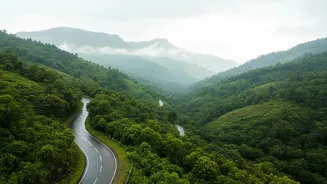
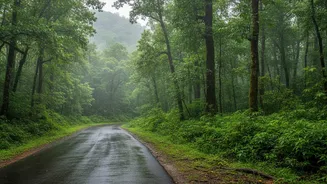
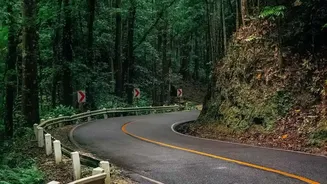
The Agumbe ghat section, with its 13-plus hairpin bends, demands cautious and patient driving. The roads are narrow and can be slippery, especially if there has been recent rain. It is highly advisable to avoid driving in this section at night due to poor visibility and the risk of encountering wildlife. Always maintain a moderate speed, honk on blind curves, and give way to larger vehicles like buses, which may need more space to manoeuvre. If you're not an experienced ghat driver, take your time and don't be intimidated by others. The journey is part of the destination, and the views of the mist-covered valleys are a reward for careful driving.
Exploring Agumbe: Waterfalls and Viewpoints
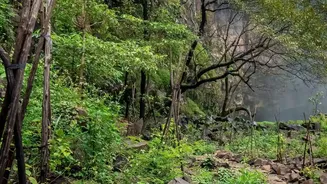
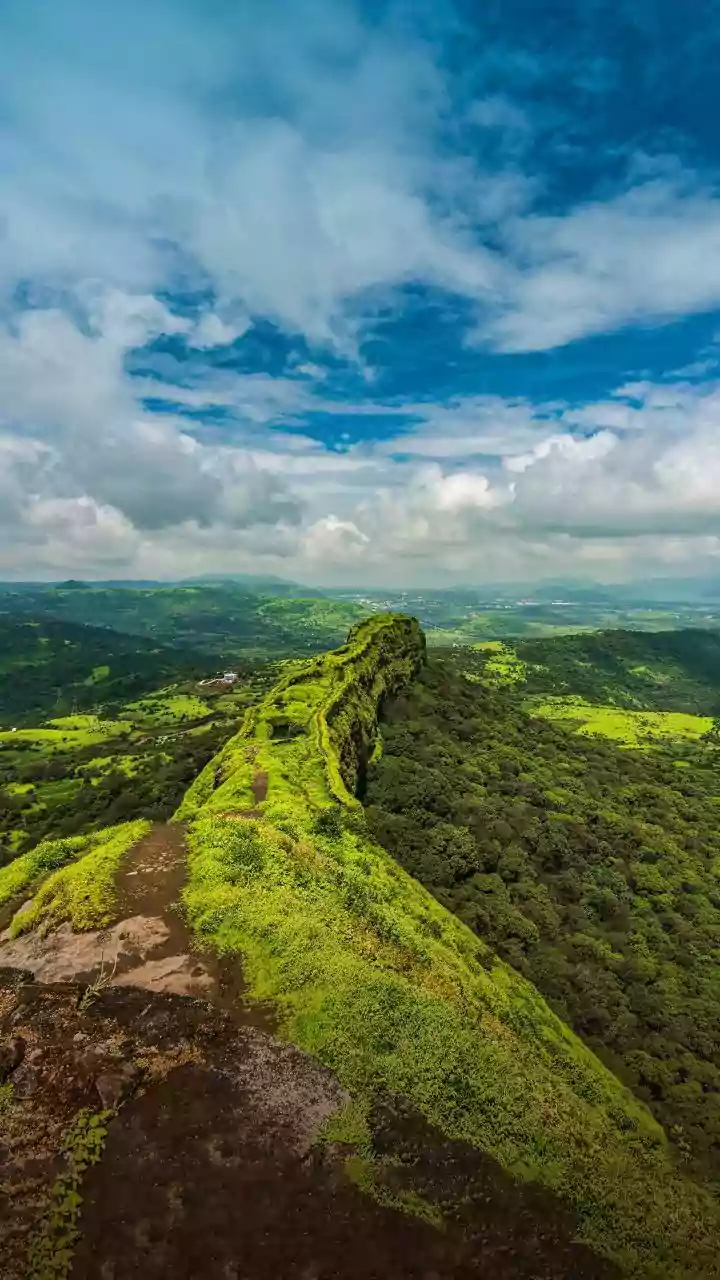
Once you arrive, Agumbe offers a tranquil escape. The famous Sunset View Point provides breathtaking views of the sun dipping below the Western Ghats, and on a clear day, you might even see the Arabian Sea. The area is dotted with waterfalls like Jogigundi Falls and Onake Abbi Falls, which often require a short trek through the forest to reach. For those interested in the region's unique biodiversity, a pre-arranged visit to the Agumbe Rainforest Research Station (ARRS) offers insights into its most famous resident, the King Cobra. Remember that forest trails can be slippery and wildlife, including snakes, is active after dusk, so it's best to explore with a local guide and return to your accommodation before nightfall.