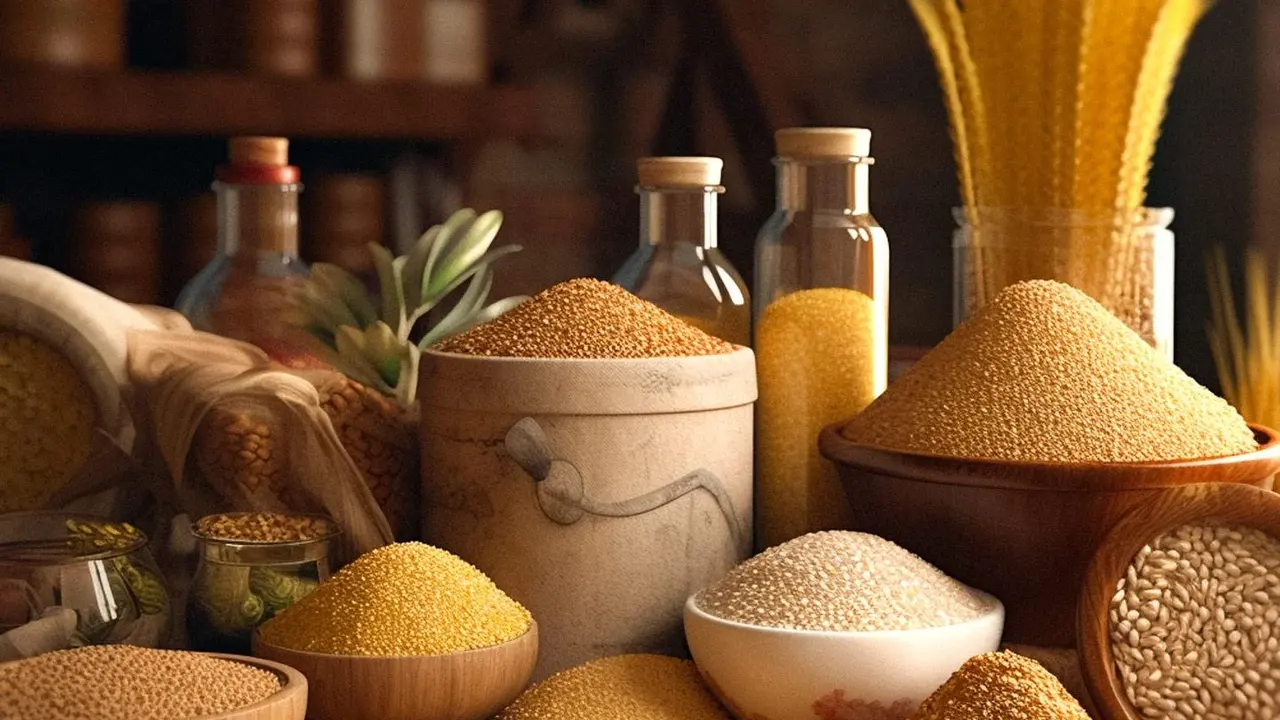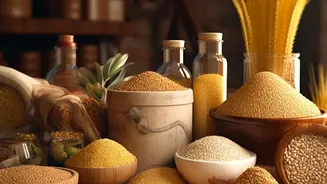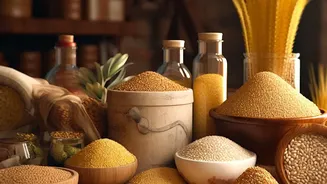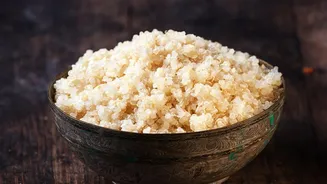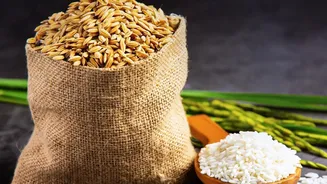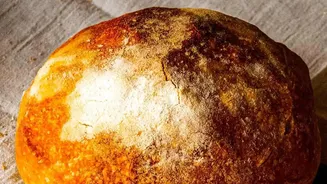

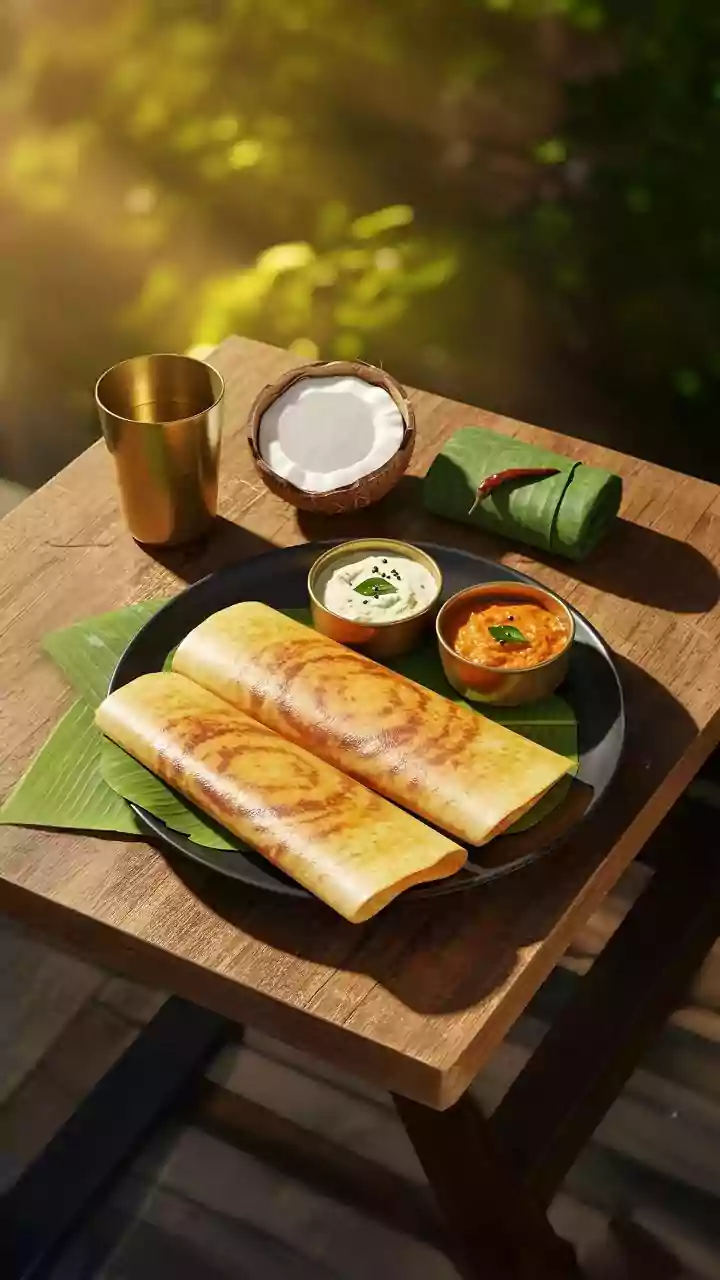
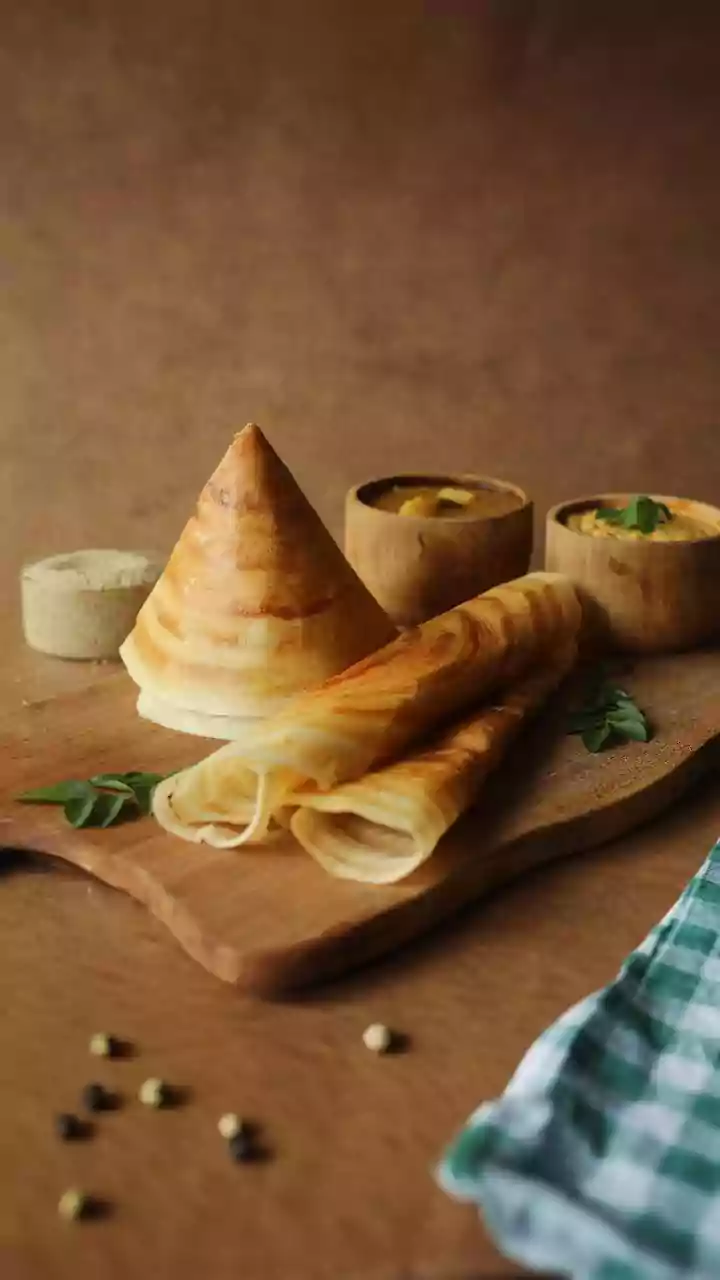

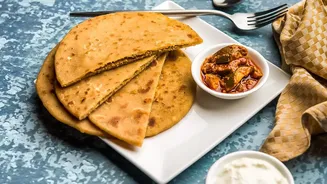
There’s a quiet revolution happening in Indian kitchens. Aromatic, wholesome, and packed with flavour, ancient grain flours are moving beyond the traditional roti and finding their way into everything from rustic sourdough loaves to fluffy muffins.
A Return to Our Roots
For
generations, grains like jowar, bajra, and ragi were staples in Indian households, perfectly suited to our climates and culinary traditions. However, with the Green Revolution of the 1960s, high-yield varieties of wheat and rice began to dominate, prized for their economic efficiency. Ancient grains, unable to compete on yield, retreated to rural kitchens and the memories of our grandmothers. Today, a growing interest in health, authenticity, and flavour is bringing them back. Home bakers are rediscovering that what is old is new again, embracing these heritage ingredients not as a trend, but as a delicious homecoming.
More Than Just Nostalgia
The renewed popularity of ancient grains is backed by modern science. Compared to refined wheat flour, many of these grains offer a superior nutritional profile. Millets like ragi (finger millet) are celebrated for their high calcium content, while jowar (sorghum) and bajra (pearl millet) are rich in fibre and minerals. Amaranth (rajgira), technically a seed, is a protein powerhouse, containing all essential amino acids. These grains often have a lower glycemic index, which helps in managing blood sugar levels, and their impressive fibre content supports digestive health and provides sustained energy. Many, like ragi, jowar, and amaranth, are also naturally gluten-free, making them a boon for those with sensitivities.
Meet the Stars of the New Pantry
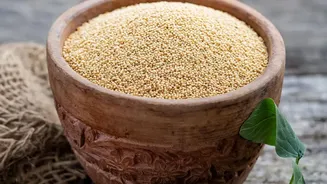
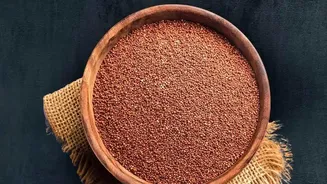
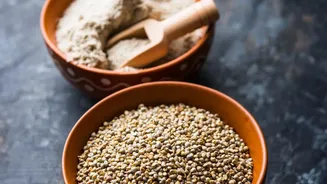
Getting started with ancient grains is easier than you think. Here are a few popular choices making their way into modern bakes: Ragi (Finger Millet): With its distinctive reddish hue and earthy, slightly nutty flavour, ragi flour is a favourite in South India. It creates a dense, moist crumb, perfect for brownies, cookies, and chocolate cakes where its flavour complements the cocoa. Jowar (Sorghum): Mild and slightly sweet, jowar flour has a texture similar to cornmeal. It's incredibly versatile and works well in pancakes, savoury muffins, and as part of a blend for breads. Bajra (Pearl Millet): This millet has a strong, nutty, and slightly smoky flavour that pairs beautifully with bold ingredients. It’s traditionally used for flatbreads in Western India but can add incredible depth to multigrain loaves and savoury crackers. Amaranth (Rajgira): This flour has a malty, earthy taste. Because it has no gluten and a strong flavour, it works best in smaller quantities for cookies, crackers, and as a thickener.
Tips for Your First Bake
Baking with ancient grain flours is an adventure, but they don't behave exactly like all-purpose flour (maida) or whole wheat atta. Keep these tips in mind: Don't Go All In (At First): Start by substituting 25% of the regular flour in your recipe with an ancient grain flour. This will introduce you to the flavour and texture without drastically changing the result. As you get more comfortable, you can increase the ratio. Hydration is Key: Most ancient grain flours, especially millets, are thirstier than wheat flour due to their high fibre content. You'll likely need to add a little extra liquid (water, milk, or curd) to your dough or batter to prevent it from being too dry. Embrace the Density: Bakes made with flours like ragi and bajra will naturally be denser than those made with light, airy maida. This isn't a failure; it’s part of their character. The result is a heartier, more satisfying crumb. Mix and Match: Create your own custom blends! Combining jowar for softness, ragi for its nutritional punch, and a bit of whole wheat for structure can produce a bread or muffin that is both delicious and wholesome.