



From Burning Calories to Building Capability
The fitness landscape for women is changing. For years, the narrative was simple: run, cycle, or dance your way to a smaller size. The emphasis was on 'sweat'—a visible metric of effort and, supposedly, success. But today, a growing movement is redefining
what it means to be fit. According to industry surveys and trainers, strength training is surging in popularity among women. This isn't just about aesthetics; it's a fundamental shift from wanting to shrink the body to wanting to make it more capable and resilient. The new goal is 'healthspan'—the number of years lived in good health—and strength is the foundation. It's a move away from punishing workouts towards purposeful training that builds a body for life.
The Science-Backed Benefits of Getting Stronger
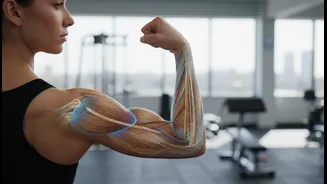
The perks of picking up weights go far beyond toned muscles. Resistance training is a powerhouse for women's health. It's one of the most effective ways to build and maintain bone density, which is crucial for preventing osteoporosis, a condition women are at a higher risk for, especially after menopause. Building lean muscle also boosts your resting metabolism, meaning your body burns more calories even when you're not working out. Unlike long-duration cardio which can sometimes spike the stress hormone cortisol, strength training can help regulate hormones, improve insulin sensitivity, and support better mental health by reducing symptoms of anxiety and depression.
Myth-Busting: No, You Won't Get 'Bulky'
One of the most persistent myths that has kept women away from the weight room is the fear of looking 'bulky'. This concern is largely unfounded. Women naturally have significantly lower levels of testosterone than men, making it very difficult to build large, bulky muscles. The toned, lean physique many women desire is the direct result of building muscle and reducing body fat—exactly what strength training helps achieve. Professional female bodybuilders train for years with highly specific, high-volume programs and tailored nutrition to achieve their physique; lifting weights a few times a week to improve your health will not produce the same result. The focus is on getting stronger and more defined, not necessarily bigger.
How to Start Your Strength Journey
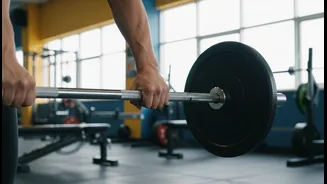
Getting started with strength training is more accessible than you might think. You don't need to immediately start lifting heavy barbells. The best approach for beginners is to master foundational movements using just your body weight. Exercises like squats, push-ups, lunges, and planks are perfect for building a solid base. Once you feel confident with your form, you can gradually introduce resistance with bands or light dumbbells. Experts recommend aiming for two to three full-body strength sessions per week on non-consecutive days. The key is consistency and progressive overload—gradually challenging your muscles a little more over time. Focus on proper form to ensure you're training safely and effectively.