




The Psychology of Surface Clutter
The tendency to fill every flat surface isn't just about a lack of space; it's about psychology. When we're tired or in a hurry, placing something on the nearest table is the path of least resistance. Each item left out—a stray bill, a child's toy, a book
you mean to read—acts as 'visual noise'. This constant stimulation overloads our brains, making it harder to focus and increasing levels of the stress hormone cortisol. A cluttered environment often mirrors a cluttered mind, creating a subtle, chronic stress that drains our mental energy and can even trigger feelings of guilt and anxiety. The mess becomes a constant, nagging reminder of unfinished tasks, making it difficult to truly relax in our own homes.
Give Your Surfaces a Job Description
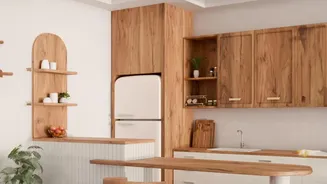
The first step to reclaiming your space is a mental one: assign a purpose to every surface. A dining table is for eating and sharing meals, not for sorting laundry. The kitchen counter is for preparing food, not for storing gadgets you rarely use. By defining the function of each area, you create clear boundaries. Professional organizers suggest that if you want to stop a table from becoming a dumping ground, start by actually setting it for dinner. When a surface has a clear and visible purpose, it becomes much harder to justify covering it with random items. This simple shift forces you to be more intentional and to finally find a proper home for the things that cause the piles.
Think Vertically, Not Horizontally
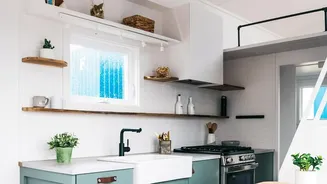
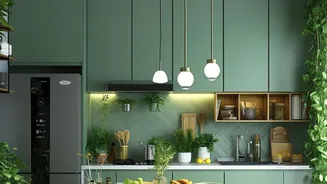
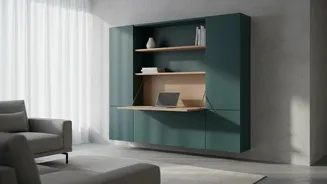
The most effective antidote to surface clutter is to look up. In small apartments, vertical space is your most underutilised asset. Instead of spreading out, build your storage upwards. Tall, narrow bookcases, ladder-style shelves, and wall-mounted cube organizers can add significant storage without consuming precious floor space. Consider installing floating shelves in corners or above doorways to display decor or store books. In the kitchen, use magnetic strips for knives or rails with S-hooks for utensils to get them off the counter. Pegboards are another versatile option for organising everything from craft supplies to kitchen tools. By taking advantage of your walls, you free up horizontal surfaces, making your home feel larger and more serene.
Create a Designated ‘Drop Zone’
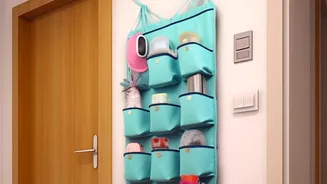
Fighting the urge to drop everything the moment you walk in the door can be tough. Instead of fighting it, manage it. Create a single, contained 'drop zone' or 'landing strip' near your entrance. This isn't another cluttered surface, but an intentional spot for the items you bring in and out every day. It could be a small decorative tray on an entryway table for keys and wallets, a stylish bowl for loose change, or a wall-mounted organizer with hooks for bags and a slot for mail. The key is to keep it contained. By giving these transient items a specific, limited home, you prevent them from migrating onto the dining table, sofa, or kitchen counter, thereby controlling the chaos before it begins.
Implement a Daily Reset Ritual
Habits got you into this mess, and new habits will get you out. The most powerful strategy for maintaining clear surfaces is the 'daily reset'. Before you go to bed each night, dedicate just five or ten minutes to clearing the day's accumulation. Put away the remote controls, stack the magazines, take any dishes to the kitchen, and wipe down the counters. This small ritual prevents small piles from turning into overwhelming mountains of clutter. It’s not about doing a deep clean every day; it's about maintenance. This habit quickly restores order, ensuring you wake up to a calmer, more inviting space, which in turn makes it easier to keep it tidy the next day, creating a positive cycle of organization.