



Want to get active but worried about your knees, hips, or back? Joint-friendly exercise is the key. It's about finding movement that builds strength and makes you feel good, without the strain of high-impact workouts. Let's explore your options.
What 'Low-Impact' Really Means
The term
'low-impact' simply refers to exercises that don't involve jarring or pounding motions. Unlike running or jumping, these activities keep at least one foot on the ground or support your body in other ways, placing minimal stress on your joints. This approach is ideal for beginners, individuals managing arthritis, or anyone recovering from an injury. The goal is to improve strength, mobility, and cardiovascular health without aggravating sensitive joints like the knees, hips, and ankles. And low-impact doesn't mean low-intensity; you can still get an excellent workout and break a sweat.
Your First Principle: Listen to Your Body
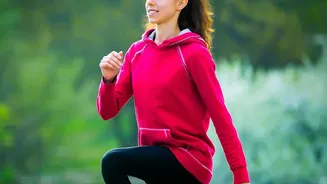
Before starting any new routine, it's crucial to adopt a 'start low and go slow' mindset. Begin with shorter sessions of 10 to 15 minutes and gradually increase the duration as you feel more comfortable. It's important to warm up before each session with gentle movements like arm and leg swings to prepare your muscles. Pay attention to the signals your body sends. There's a difference between the dull ache of muscle fatigue and the sharp, localized pain of joint stress. If an activity causes sharp pain, it’s a sign to stop and modify. Consistency is more important than intensity.
Water Aerobics and Swimming
Exercising in water is often considered the gold standard for joint-friendly fitness. The buoyancy of water supports your body weight, which dramatically reduces the stress on your joints. When you're in chest-deep water, your legs only have to support a fraction of your body weight, making movement easier and less painful. The water also provides gentle, consistent resistance, which helps build muscle strength without the need for weights. This makes activities like water aerobics or even simply walking in a pool incredibly effective for people with arthritis or significant joint discomfort.
Cycling: Stationary and Outdoors
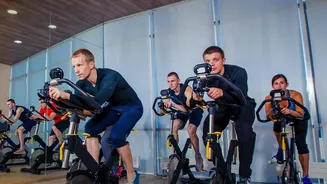
Cycling is another top-tier low-impact exercise that is especially kind to the knees and hips. The smooth, circular motion of pedalling builds strength in your quadriceps and hamstrings—the key muscles that support and stabilize your knee joints. Because the bike's saddle supports your body weight, there's none of the jarring impact associated with running. Whether you use a stationary bike at home or ride outdoors, you can easily control the intensity. For beginners, a recumbent bike can be particularly comfortable as it provides extra back support.
Walking: An Accessible Starting Point
Walking is perhaps the most accessible and straightforward form of low-impact exercise. It requires no special equipment beyond a pair of supportive shoes and can be done almost anywhere. Walking strengthens the muscles in your legs and core, improves cardiovascular health, and maintains joint flexibility. For beginners, it's best to start on flat, even surfaces to avoid unnecessary strain. As you build stamina, you can gradually increase your pace, distance, or even incorporate gentle inclines to keep challenging yourself.
Yoga and Tai Chi
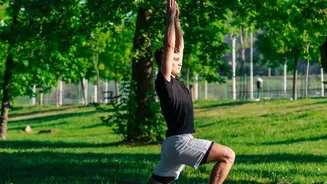
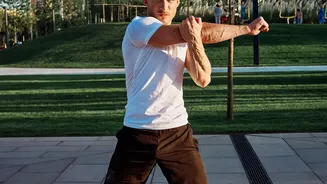
Activities like gentle yoga and Tai Chi are excellent for improving balance, flexibility, and muscle control, all of which contribute to better joint health. These practices involve slow, deliberate movements that enhance your range of motion without putting sudden stress on your joints. Tai Chi, with its fluid and continuous motions, is particularly beneficial for reducing stiffness and improving stability. Many yoga poses can also be modified with props like blocks or blankets to ensure comfort and prevent overstretching. Look for classes labeled 'gentle' or 'beginner' to ensure the pace and poses are appropriate.
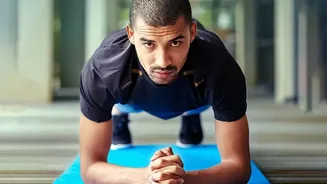
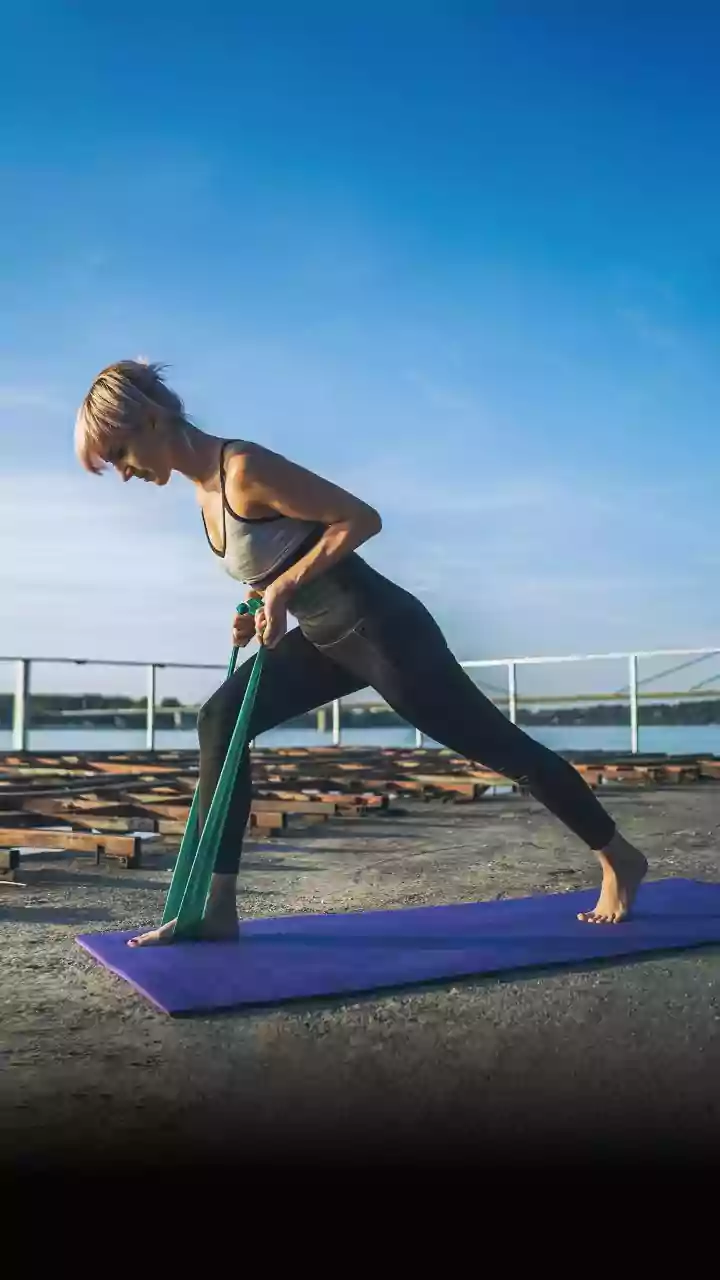
Strengthening the muscles that surround your joints is one of the most effective ways to protect them. You don't need to lift heavy weights to see benefits. Starting with bodyweight exercises like wall sits, glute bridges, and modified pushups (on your knees or against a wall) can build a solid foundation. Resistance bands are another excellent tool for adding a challenge without loading the joints. The key is to focus on slow, controlled movements and proper form to ensure the right muscles are engaged and your joints remain safe.