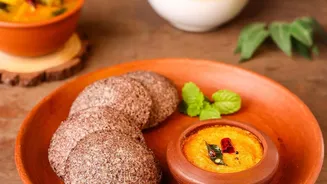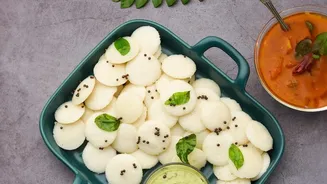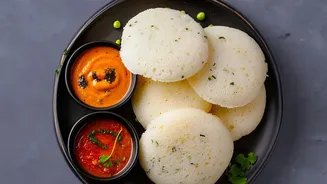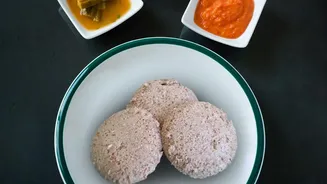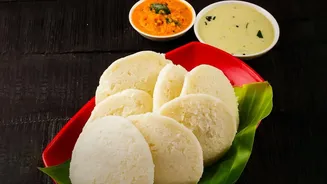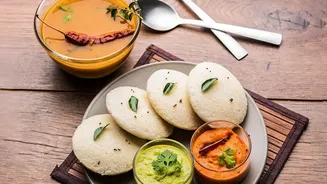





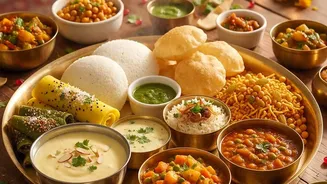
Imagine starting your day with idlis that are not only soft and delicious but also packed with health benefits. Foxtail millet idli offers just that, giving a nutritious makeover to a classic South Indian breakfast favourite. Here’s why it’s time to try.
Why Millets are Making a Comeback
For generations, millets were a staple in Indian households before polished rice and wheat became dominant. Now, these ancient grains are returning to our kitchens, celebrated for their impressive nutritional profile. Millets are naturally gluten-free, making them an excellent choice for those with sensitivities. They are also packed with dietary fibre, protein, vitamins, and minerals. This high fibre content aids in digestion, helps manage blood sugar levels, and keeps you feeling full longer, which can support weight management. As more people seek wholesome and sustainable food choices, millets are being recognized not just as a traditional grain, but as a modern superfood.
Spotlight on Foxtail Millet
Known as 'thinai' in Tamil, 'kangni' in Hindi, and 'korralu' in Telugu, foxtail millet is one of the most popular and oldest cultivated millet varieties. It stands out for its rich nutritional content. It is a good source of protein, dietary fibre, iron, calcium, potassium, and magnesium. Its low glycemic index means it releases sugar into the bloodstream slowly, making it particularly beneficial for individuals managing diabetes. Furthermore, its calcium and phosphorus content contribute to stronger bones, while antioxidants and zinc help boost the immune system. Swapping rice for foxtail millet in your idli is an easy way to tap into these powerful health benefits without compromising on taste.
Your Ingredient Checklist
Making foxtail millet idli from scratch is simple. This recipe strikes a perfect balance to yield soft, fluffy idlis. You will need:
- Foxtail Millet: 2 cups
- Urad Dal (split black gram): ½ cup
- Idli Rice or any raw rice (optional, for softer texture): ½ cup
- Poha (flattened rice): ¼ cup
- Fenugreek (Methi) Seeds: 1 teaspoon
- Salt: To taste
- Water: As needed for soaking and grinding
A Step-byStep Guide to Perfect Batter
The secret to great idlis lies in the batter. Follow these steps carefully.
1. Rinse and Soak: In a bowl, rinse the foxtail millet and optional idli rice together until the water runs clear. In a separate bowl, rinse the urad dal and fenugreek seeds. Soak both bowls in plenty of fresh water for at least 4–6 hours, or overnight. Soak the poha in a separate small bowl for about 30 minutes before grinding.
2. Grind the Batter: Drain the water from the urad dal and fenugreek seeds. Grind them in a wet grinder or a high–powered blender, adding a little cold water gradually until you have a smooth, fluffy batter. Transfer this to a large container. Next, drain and grind the millet, rice, and soaked poha together. This batter can be slightly coarse, like fine semolina.
3. Mix and Ferment: Combine the two batters in the large container. Add salt and mix everything well with your clean hands for a few minutes; this helps incorporate air and aids fermentation. The batter should have a thick, dropping consistency. Cover the container and leave it in a warm place to ferment for 8–12 hours. The batter should rise and look airy.
Steaming and Serving
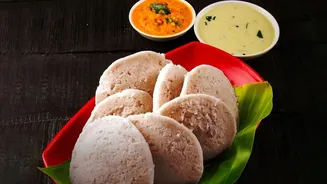
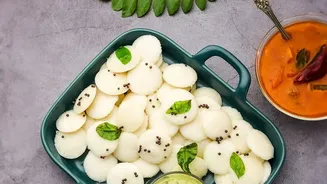
Once your batter is beautifully fermented, it's time to steam. Gently stir the batter once or twice, but do not overmix, as this will deflate the air pockets. Lightly grease your idli moulds with a little oil or ghee. Pour the batter into the moulds, filling them about three–quarters full. Place the idli stand in a steamer with boiling water at the bottom. Steam on medium heat for 10–15 minutes. To check if they are done, insert a toothpick or knife; it should come out clean. Let the idlis rest for a few minutes before demoulding. This prevents them from breaking. Serve your hot, fluffy foxtail millet idlis with your favourite sambar and chutney.
Tips for Fluffy Millet Idlis
Achieving soft idlis with millets is easy with a few tricks. Firstly, ensure your urad dal is ground to a very smooth and fluffy consistency, as this provides the lightness. Grinding the millet to a slightly coarser texture gives the idlis a good structure. Fermentation is crucial; if you live in a cold climate, place the batter in a preheated (and turned off) oven with the light on to provide a warm environment. Using cold water or even a few ice cubes while grinding can prevent the blender from overheating, which can kill the natural yeasts needed for good fermentation. Lastly, don't skip the fenugreek seeds; they help with fermentation and add a subtle flavour.