




Meet the Family
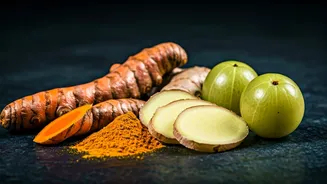
Ginger, turmeric, and galangal all belong to the Zingiberaceae family, a group of tropical flowering plants with aromatic underground stems called rhizomes. In any Indian kitchen, ginger (adrak) is a non-negotiable staple, bringing its spicy warmth to countless
dishes. Turmeric (haldi) is equally revered, prized for its vibrant colour, earthy flavour, and medicinal properties. Galangal, sometimes called Thai or Siamese ginger, is the relative you may not know as well, but it is just as integral to Southeast Asian cuisines as its cousins are to Indian food.
What Makes Galangal Different?
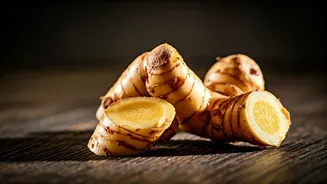
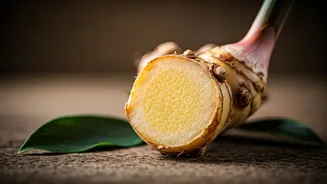
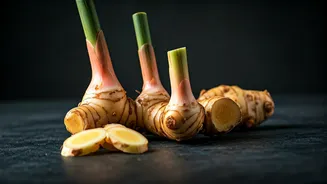
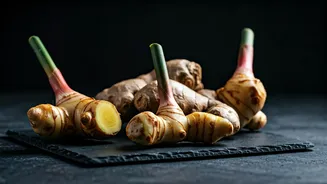
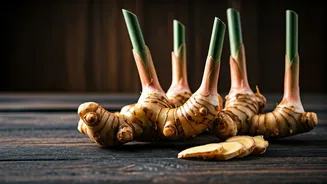
At first glance, you could mistake galangal for ginger. But look closer, and the differences become clear. Galangal typically has smoother, paler skin, often with a pinkish hue, compared to ginger's rougher, light-brown exterior. The flesh of galangal is also much harder and more fibrous, making it a bit more challenging to slice. The most significant difference, however, is the flavour. While ginger is pungent, spicy, and slightly sweet, galangal offers a completely different experience. It's sharper, more peppery, and boasts distinct citrusy and pine-like notes. Thinking they're interchangeable is a common mistake; they are best seen as two distinct spices with their own unique personalities.
A World of Flavour
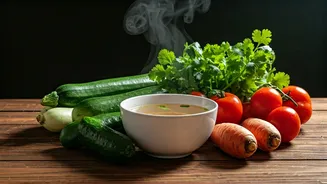
Galangal’s flavour profile is complex and aromatic, often described as smelling like pine needles and black pepper. There are a few different types, with greater galangal and lesser galangal being the most common. Greater galangal, often found in Indonesia and Malaysia, is milder, while the lesser variety from Southern China packs a more peppery, tart punch. The fresh rhizome is always more flavourful than dried or powdered versions, but because it is so woody, it's often not eaten directly. Instead, it’s sliced and simmered in broths to infuse them with flavour and then removed before serving, much like a bay leaf or cinnamon stick.
Beyond the Wok
If you’ve ever enjoyed a bowl of Thai Tom Yum or Tom Kha soup, you’ve experienced galangal. It is a cornerstone ingredient in Thai, Indonesian, and Malaysian cooking, pounded into curry pastes like Rendang and infused into fragrant soups. Its unique citrusy sharpness balances the richness of coconut milk and the heat of chillies, creating the layered, complex flavours that define much of Southeast Asian cuisine. From marinades for grilled meats to seafood dishes where it neutralizes any 'fishy' smell, galangal is a versatile workhorse in its native cuisines.
A New Addition to the Masala Dabba?
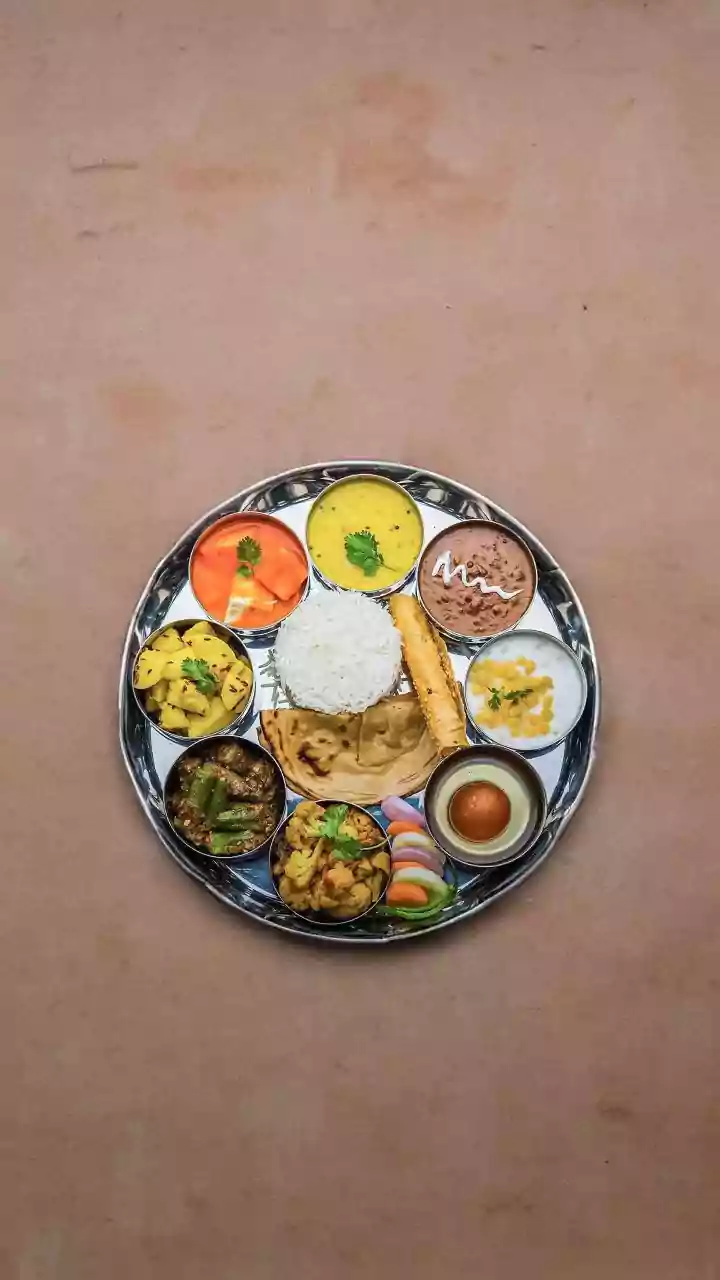
So, how can you bring this flavour into an Indian kitchen? Don't think of it as a substitute for ginger, but as a new ingredient to experiment with. Its piney, citrus notes could add an exciting twist to a fish or chicken marinade. Finely grated, it could bring a fresh dimension to a lentil dal or a vegetable stir-fry. Imagine a pinch of ground galangal in your next kebab mixture or infused into a simple sugar syrup for a spiced beverage. You can even make a soothing tea by simmering slices in hot water. Starting with small amounts is key to understanding how its unique character plays with familiar Indian spices.
More Than Just a Pretty Taste
Like its famous relatives, galangal has a long history of use in traditional medicine, including Ayurveda. It is rich in antioxidants, particularly polyphenols, which are plant compounds that help protect the body's cells. Traditional uses include aiding digestion, reducing inflammation, and fighting infections. While modern scientific research is ongoing, many of the anti-inflammatory and antioxidant properties found in ginger and turmeric are also present in galangal, making it another beneficial addition to a healthy diet.