


A Taste of Tradition Reimagined
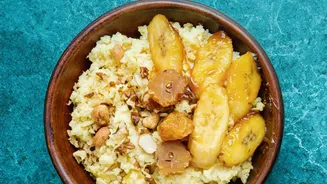
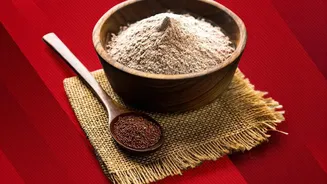
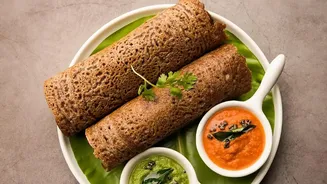
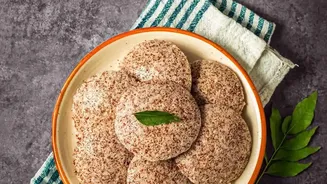
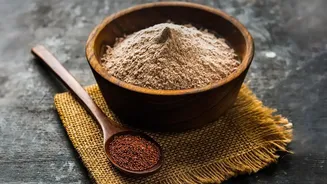
For generations, ragi, or finger millet, has been a staple in many Indian households, particularly in the southern states and tribal regions. Valued for its resilience and nutritional density, it was often used in porridges and flatbreads like rotis or mudde.
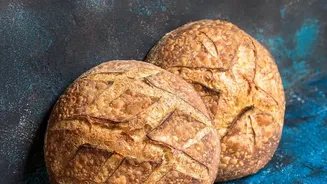
However, it was sometimes perceived as a humble, rural grain. Today, that perception has completely flipped. Urban consumers are embracing ancient grains, seeking foods that connect them to their roots while fitting into a modern, health-conscious lifestyle. Ragi sourdough represents the perfect marriage of this nostalgia with contemporary taste, transforming a traditional ingredient into a gourmet bakery item.
The Allure of an 'Earthy' Flavour
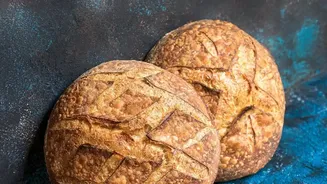
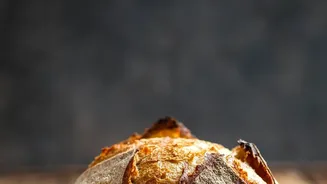
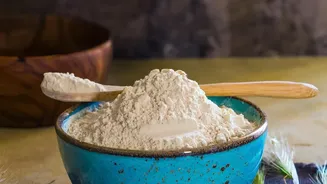
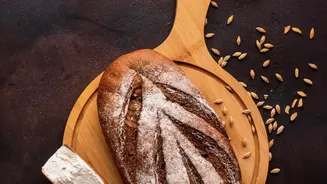
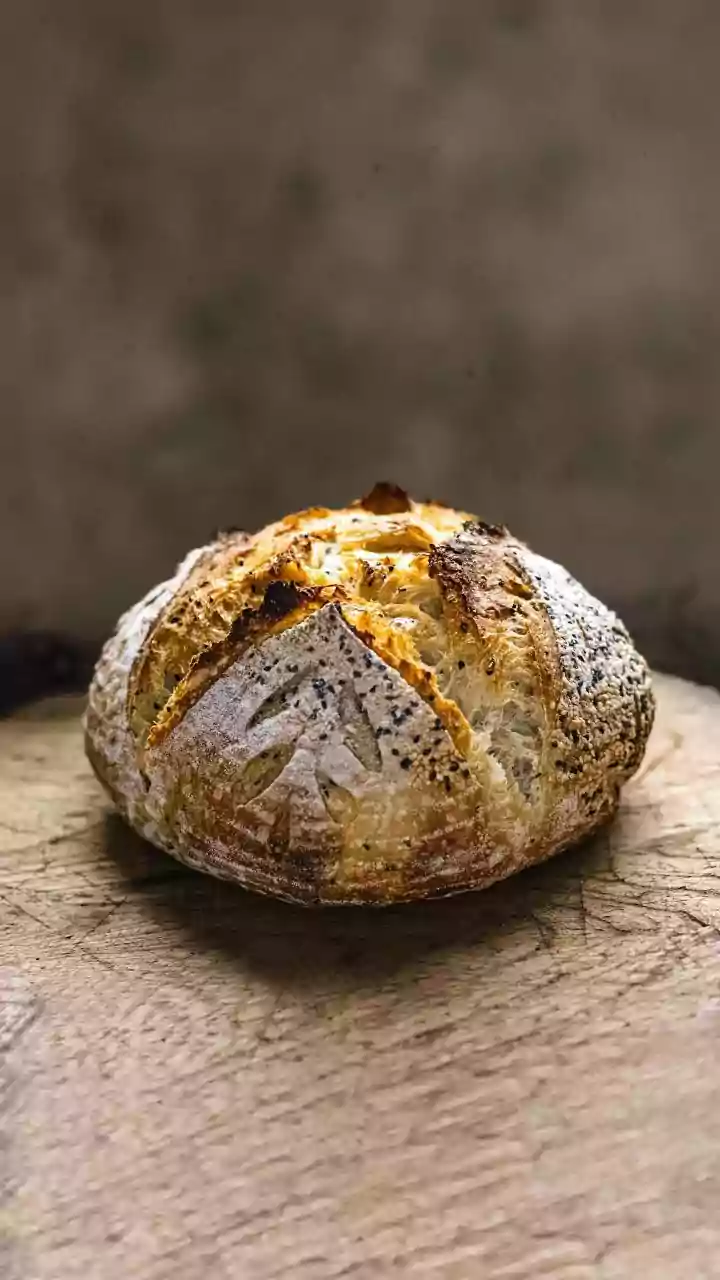
The defining characteristic of ragi sourdough is its unique flavour. Ragi itself has a distinct taste that is often described as deep, nutty, and slightly earthy. When this flour is combined with the slow fermentation process of a sourdough starter, something special happens. The natural tang of the sourdough cuts through the richness of the millet, creating a complex and deeply savoury flavour profile that you won't find in a standard wheat loaf. This earthy note provides a satisfying, robust taste that pairs beautifully with both sweet and savoury toppings, from a simple slice of butter and jaggery to avocado and spices.
The Sourdough Secret: Gut Health and Digestibility
The magic of sourdough goes beyond its tangy taste. The long fermentation process, which uses a 'wild yeast' starter instead of commercial yeast, works to break down components in the grain. This pre-digestion makes the bread easier on the stomach. For a dense grain like ragi, this is a significant benefit. Fermentation helps reduce compounds called phytates, which can otherwise make it harder for the body to absorb minerals like calcium and iron, both of which are abundant in ragi. As a result, the nutrients in ragi become more available to the body. This enhanced digestibility is a major draw for customers who are mindful of gut health and want to enjoy bread without feeling heavy or bloated.
A Nutritional Powerhouse in Every Slice
At its core, the love for ragi sourdough is deeply connected to its impressive nutritional credentials. Ragi is naturally gluten-free and a fantastic source of calcium, iron, and dietary fibre. In fact, it has one of the highest calcium contents among all cereals. The grain is also celebrated for its high fibre content, which aids in digestion and helps promote a feeling of fullness, making it a great option for weight management. Furthermore, ragi has a low glycemic index, which means it releases sugar into the bloodstream more slowly, helping to maintain stable energy levels. For health-conscious urbanites, a slice of ragi sourdough isn't just an indulgence; it's a functional food that nourishes.
The Conscious Consumer's Choice
Ultimately, the rise of ragi sourdough reflects a broader shift in consumer behaviour. Today’s urban shoppers are more informed and intentional about their food choices. They are looking for products that are not only delicious but also sustainably sourced, nutritionally beneficial, and culturally relevant. Ragi, being a hardy and climate-resilient crop, checks the box for environmental consciousness. The artisanal nature of sourdough baking appeals to a desire for handcrafted, high-quality products over mass-produced goods. This bread isn't just food; it's a statement. It says the consumer values health, tradition, and craftsmanship, making every earthy, tangy bite a satisfying and mindful experience.