



The Trigger: An Unstable Giant
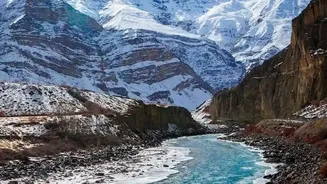
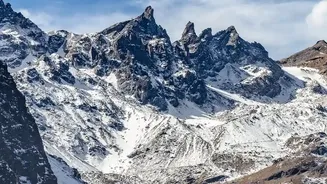
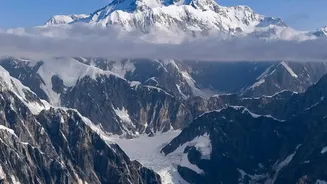
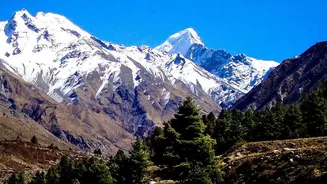
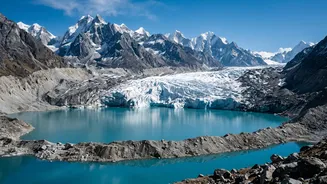
The story of a glacial debris flow begins high in the mountains, with a river of ice. Glaciers are massive bodies of dense ice that are constantly, albeit slowly, moving under their own weight. However, the Himalayas, often called the 'Third Pole', are warming
at an alarming rate. Glaciers in Nepal have been melting 65% faster in the last decade than in the previous one. This warming doesn't just shrink the glaciers; it destabilizes them. Meltwater can seep into cracks, lubricating the base of the glacier and making it more prone to sudden movement. The ice itself can become structurally weak, creating the perfect conditions for a collapse.
From Ice to Avalanche
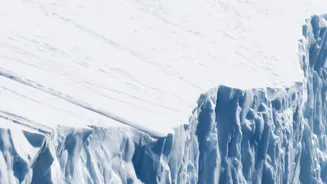
The initial event is often a colossal failure of ice and rock. A significant portion of a glacier's snout, or leading edge, can break off without warning. This is not a gentle calving of icebergs into a lake but a catastrophic collapse, sometimes involving millions of cubic metres of material, that crashes down steep mountain slopes. The energy released is immense. In one recent event near the Nepal-Tibet border, the resulting landslide registered as a magnitude 5.2 seismic event, initially mistaken for an earthquake. This ice-rock avalanche thunders down the valley, a chaotic mass of tumbling ice blocks and shattered rock.
Gathering Mass and Momentum
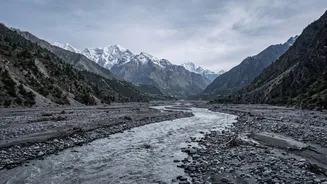
As this avalanche of ice and rock hurtles downwards, a terrifying transformation begins. The immense friction and energy from the fall can melt a significant portion of the ice. This newly liberated water instantly mixes with loose material on the valley floor and slopes: soil, sediment, gravel, and massive boulders. This process is called entrainment. The flow rapidly bulks up, gathering more and more material as it scours the riverbed and banks. It is no longer just an avalanche of ice; it has become a debris flow, a fast-moving slurry that has the consistency of wet concrete and carries an incredible amount of destructive power.
A Raging Torrent of Debris
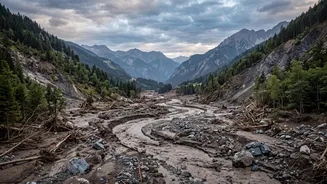
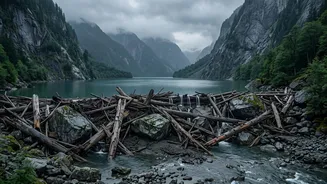
A debris flow is fundamentally different from a regular flood. It's a dense, viscous mixture that moves in powerful surges. The front of the flow is often a tumbling wall of the largest boulders, capable of destroying buildings and bridges that even a powerful water flood might leave standing. Speeds can vary but can easily exceed 10 metres per second. In one recent Nepali disaster, river levels reportedly rose by as much as nine metres in just 30 minutes. This is not water you can swim in; it's a moving mass of earth that buries everything it encounters under a thick, heavy layer of mud and rock, making rescue efforts incredibly difficult.
A Sobering Himalayan Reality
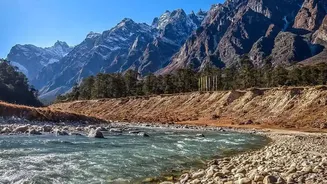
The catastrophic debris flow in Nepal is a stark reminder of a growing threat across the entire Himalayan region, including in India. Mountain ecosystems are exceptionally sensitive to climate change. The combination of steep terrain, fragile geology, and rapidly melting glaciers creates a volatile environment where these hazard cascades are becoming more frequent. Events like these threaten not only the lives and livelihoods of mountain communities but also critical infrastructure like roads and hydropower plants. The flash flood wiped out entire villages and critical commerce routes, demonstrating the widespread devastation such an event can cause.