





The Gut: Your Body's Immunity HQ
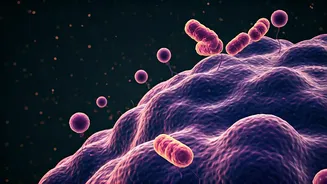
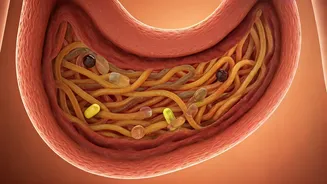
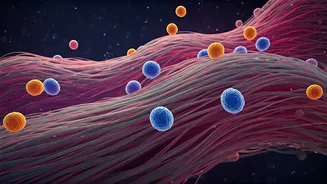
It might seem surprising, but a vast portion of your immune system—around 70%—resides in your gut. This bustling ecosystem, known as the gut microbiome, is home to trillions of microorganisms that play a crucial role in everything from digestion to defence.
When this internal community is balanced and diverse, it forms a protective barrier, preventing harmful pathogens from entering the bloodstream and helping to regulate inflammation. An imbalanced gut, however, can lead to a weakened immune response. Modern urban life in India, with its associated stress, pollution, and increased consumption of processed foods, can disrupt this delicate balance, making us more susceptible to infections.
Traditional Wisdom: India's Fermentation Legacy
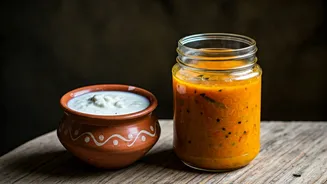
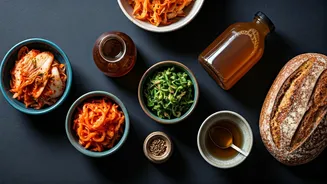
Long before probiotics were sold in capsules, Indian kitchens were masters of fermentation. From the fluffy, steamed idlis and crisp dosas of the South to the tangy dhokla of the West and the fermented carrot drink, kanji, in the North, our culinary heritage is rich with foods that nurture gut health. The fermentation process does more than just preserve food or create delicious flavours. It enriches foods with probiotics, the beneficial bacteria our gut loves. These microbes help break down food, making nutrients easier to absorb and producing beneficial compounds like B vitamins and short-chain fatty acids that strengthen the gut lining and support immunity.
The Challenge of Urban Fermentation
While the benefits are clear, practising traditional fermentation in a modern urban apartment can be challenging. The time-honoured methods of leaving batter to ferment on a countertop relied on a deep-seated intuition and environmental factors that are harder to control in a temperature-regulated, sealed-off city home. Busy schedules make the multi-step process of soaking, grinding, and waiting difficult to manage. Furthermore, there's often a fear of getting it wrong—of spoilage, mould, or creating something unsafe to eat. This is where modern solutions can bridge the gap between ancient wisdom and contemporary lifestyles.
The Modern Solution: Kitchen Fermentation Systems
Enter the new wave of kitchen fermentation systems. These are not complex industrial machines but smartly designed kits, often consisting of glass jars, specialized airlock lids, and weights. Their purpose is simple: to create a controlled and safe environment for lacto-fermentation to occur. Airlock lids allow carbon dioxide produced during fermentation to escape without letting oxygen or contaminants in, which is crucial for preventing spoilage. Glass weights keep the vegetables or batter submerged under the brine, another key step for ensuring a successful and safe ferment. These systems take the guesswork out of the process, making it accessible, manageable, and safe for even a novice in a small city kitchen.
Why This Matters for City Dwellers
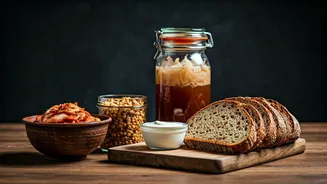
For the urban Indian, these systems offer a practical way to reclaim a piece of our nutritional heritage. They make it feasible to prepare a batch of gut-friendly pickled vegetables, kimchi, or even traditional batters over the weekend. By incorporating these homemade fermented foods into a daily diet, you are directly feeding your gut microbiome with diverse, live cultures. Studies have shown that regularly eating fermented foods can increase microbial diversity and reduce inflammatory markers in the body. This is a powerful, proactive step towards building a more resilient immune system to navigate the pressures of city living. It’s about more than just food; it’s a sustainable wellness practice that puts you in control of your health.