






The Power of Protein
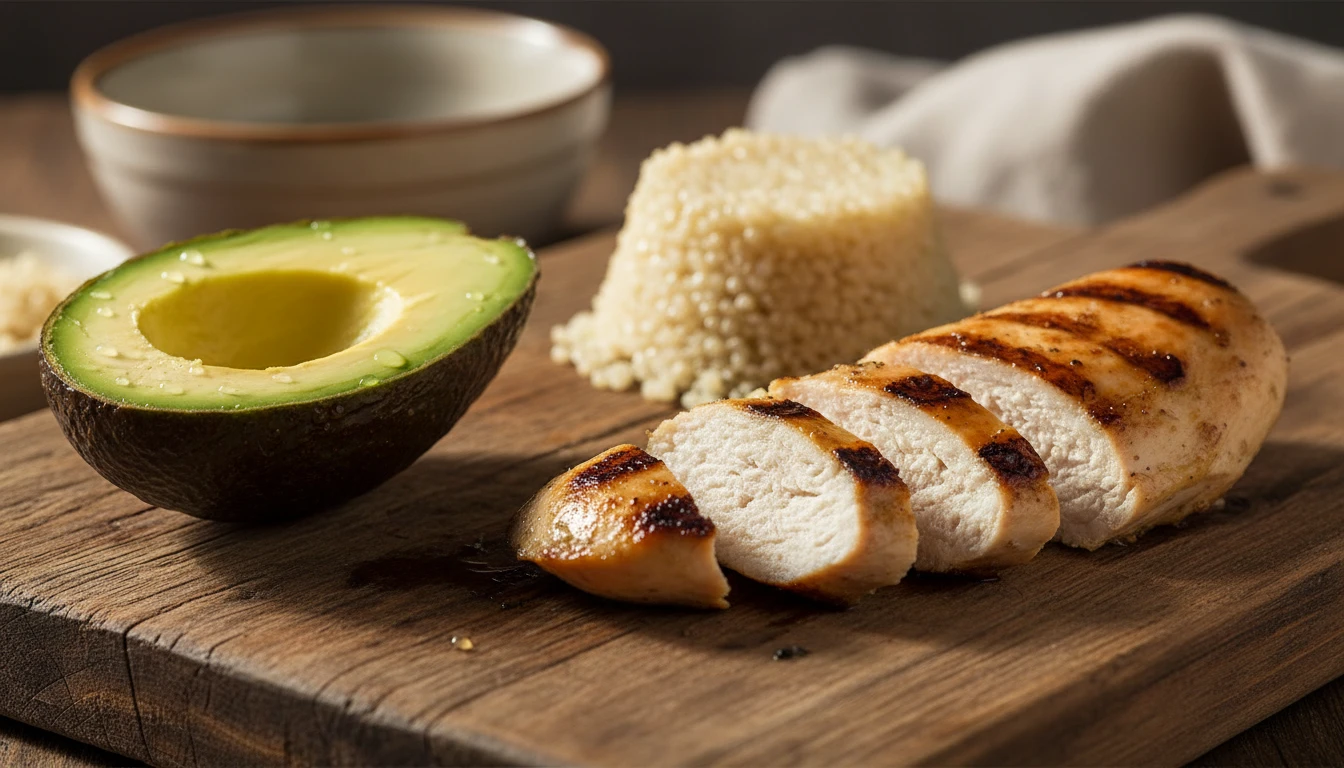
Protein is the undisputed champion of satiety. Compared to carbohydrates and fats, protein takes longer for your body to digest, providing a slow, steady release of energy. This process also has a significant hormonal impact. Eating protein helps suppress
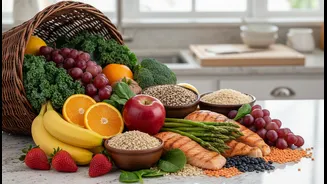
ghrelin, often called the “hunger hormone,” while boosting hormones like PYY and GLP-1 that signal fullness to your brain. This hormonal handshake is why a breakfast of eggs will keep you satisfied far longer than a bowl of sugary cereal. A recent study even pinpointed how a specific amino acid from protein, leucine, directly tells appetite-control neurons in the brain to switch off hunger signals. Including lean meats, fish, dairy, beans, or lentils in your meals is a powerful strategy to control hunger and reduce cravings between meals.
Fill Up With Fibre
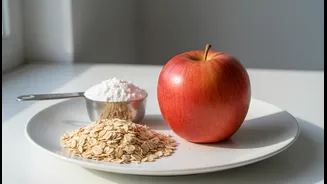
Fibre is the unsung hero of a satisfying meal. This indigestible carbohydrate, found in plant-based foods, works in several ways to promote fullness. Soluble fibre, found in oats, apples, and beans, dissolves in water to form a gel-like substance in your gut. This gel physically slows down digestion and the emptying of your stomach, which means you feel full for a longer period. Insoluble fibre, or roughage, adds bulk to food and your stool, which also contributes to a feeling of fullness. Research has shown that a high-fibre diet stimulates the release of appetite-reducing hormones. By adding volume to your meals without adding significant calories, fibre helps you feel physically full and satisfied.
The Texture Trick
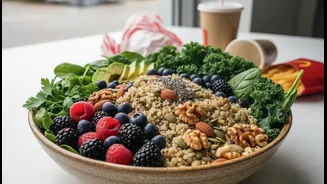
Satiety isn't just about biology; it's also about psychology and sensory feedback. The texture of your food plays a surprisingly large role in how full you feel. Foods that require more chewing, like a crunchy apple versus applesauce, send more signals to your brain that you are eating a substantial meal. This process of chewing, known as oral processing, prolongs the time food is in your mouth, giving your brain more time to register fullness. Studies have found that more texturally complex foods lead to people eating less, even when flavour and energy content are the same. Thicker, more viscous foods are also perceived as being more filling than thin, watery ones. Simply put, a meal with varied and robust textures feels more satisfying and can trigger your brain’s satiation response earlier.
Why 'Enough Food' Matters
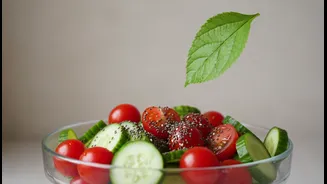
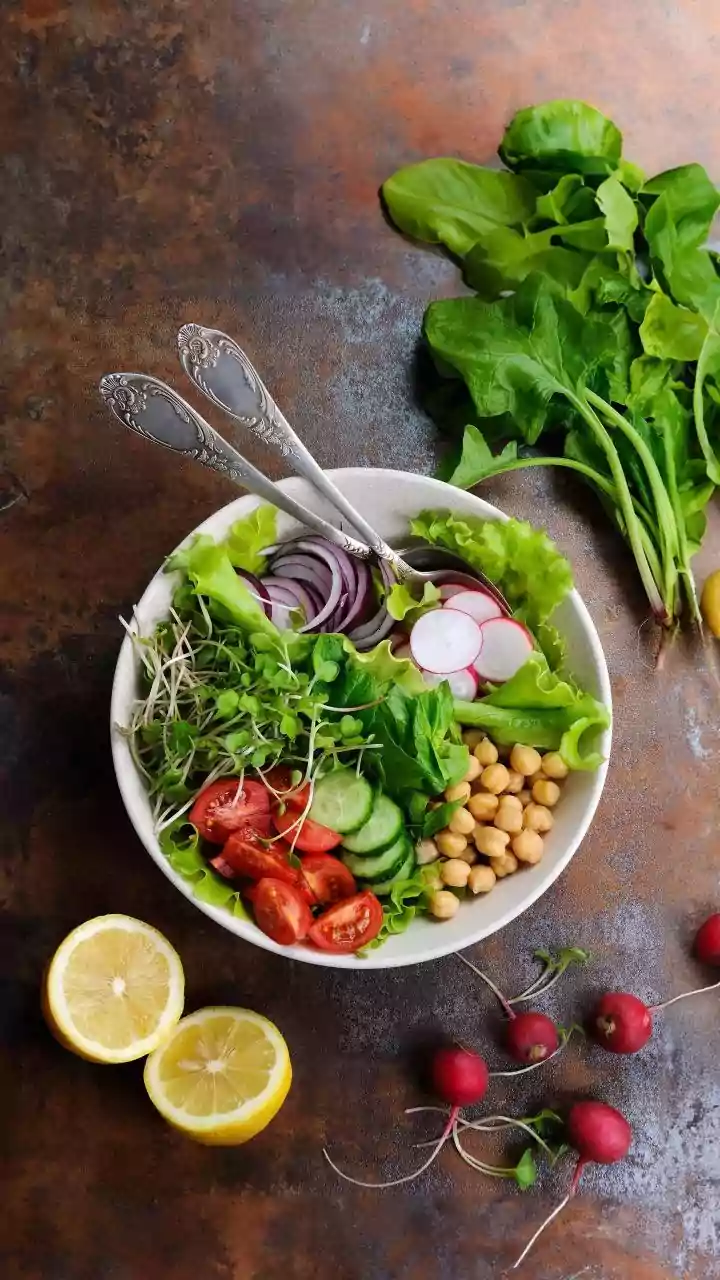
The final piece of the puzzle is volume. The concept of 'volumetrics', developed by nutrition researcher Dr. Barbara Rolls, focuses on the energy density of foods. Foods with high water and fibre content, like fruits, vegetables, and broth-based soups, have low energy density. This means you can eat a large volume of them for relatively few calories. Your stomach has stretch receptors that send fullness signals to your brain as the stomach physically fills up. By eating a large volume of low-calorie-dense foods, you trigger these stretch receptors, making you feel full and satisfied without overconsuming calories. This is why a large salad with lean protein can feel more filling than a small, high-calorie pastry, even if the pastry has more calories. It’s not about restriction, but about filling your plate with smarter, high-volume choices.