






The Annual Urban Deluge
The story is a familiar one across India. The sky opens up, and within hours, major roads, residential colonies, and commercial hubs are submerged. This isn't just an inconvenience; urban flooding disrupts daily life, causes significant economic damage,
and poses serious public health risks. Rapid urbanization has covered vast areas with concrete and asphalt, preventing rainwater from seeping into the ground. Instead, it funnels into decades-old drainage systems that are often choked with silt and garbage. These traditional systems are reactive, meaning authorities usually find out about a blockage only after a street is already flooded. With climate change leading to more intense and erratic rainfall, this outdated approach is no longer sufficient to protect our cities.
An Underground Intelligence Network
Imagine a drainage system with a mind of its own—one that can anticipate problems before they happen. This is the promise of smart sensors, a key component of modern sustainable urban drainage systems. Municipalities across India are beginning to integrate these small but powerful Internet of Things (IoT) devices into their underground networks. These sensors are being deployed as part of ambitious urban overhauls, like Delhi's new drainage masterplan, which aims to vastly improve the city's climate resilience. By embedding intelligence directly into the drains, cities are moving from a reactive to a proactive model of flood management. This technology provides a real-time view of what is happening underground, a perspective that was previously impossible to get.
How the Sensors Actually Work
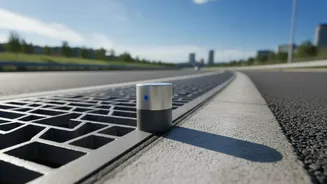
At their core, these smart systems are elegantly simple. Rugged, waterproof sensors, often using ultrasonic technology, are installed at strategic points within the drainage and sewer lines. These devices continuously measure critical data points. Most importantly, they monitor the water level, allowing them to detect a sudden rise that might indicate a blockage downstream. They can also measure the flow rate of water and even the level of silt and solid waste accumulating at the bottom of the drain. This data is then transmitted wirelessly to a central dashboard, which is monitored by civic authorities. The system creates a live map of the city’s drainage health, transforming thousands of kilometers of dark pipes into a manageable, data-rich network.
From Data to Drier Streets
Collecting data is only half the battle; the real magic lies in how it is used. When sensors in a particular drain detect that water levels are rising abnormally fast or that silt has reached a critical threshold, the system automatically sends an alert to the municipal control room. This alert can pinpoint the exact location of the potential blockage. Instead of waiting for a citizen's complaint about a flooded street, maintenance crews can be dispatched preemptively to the precise manhole that needs attention. This targeted approach saves time, resources, and public funds. It allows sanitation teams to clean the sections that are most at risk before a heavy downpour, ensuring the network has the maximum capacity to handle the monsoon deluge. This predictive maintenance prevents floods before they even begin.
The Future of Urban Resilience
The integration of smart sensors is part of a broader, more holistic approach to water management in Indian cities. Initiatives in cities like Bengaluru and Delhi combine this high-tech monitoring with nature-based solutions, such as creating 'sponge parks', rejuvenating lakes, and promoting rainwater harvesting to reduce the overall burden on drainage systems. While the initial investment in this technology can be substantial, the long-term savings from preventing flood damage and optimising maintenance are immense. As more cities under India's Smart Cities Mission adopt these technologies, they build greater resilience against the growing challenges of climate change. These unseen sensors represent a quiet revolution in urban management, working tirelessly to ensure that the next monsoon is a little less disruptive for everyone.