



The Secret Weapon: Holding Time
The term 'holding time' comes from the food industry and refers to the amount of time a cooked food can be held at a certain temperature before it becomes unsafe to eat. For travel without refrigeration, this is crucial. Bacteria multiply rapidly in what's
known as the 'danger zone'—between 4°C and 60°C. Most of our packed food sits in this zone. A good rule of thumb is the 2-hour/4-hour principle. Food that has been in the danger zone for under two hours is generally safe. If it's been out for two to four hours, it should be eaten immediately. After four hours, the risk increases significantly. By planning your meals based on their holding time, you can ensure you eat the most perishable items first and save the hardiest for last.
The First Leg (0-4 Hours): Eat These First
These are the dishes that taste best fresh and have the shortest safe holding time due to their moisture content. Think of these as your journey's opening act. Plan to consume them within the first few hours of your travel. This includes items like simple sandwiches with vegetable fillings (avoiding very watery ones like cucumber), fresh parathas with a simple, less-oily sabzi, and most rice dishes. Items like vegetable pulao, lemon rice, and even curd rice (if prepared freshly) are perfect, but they won't last the entire day, especially in warmer weather. Steamed foods like idli are also excellent candidates for an early meal, though it's best to skip the coconut chutney, which spoils quickly in the heat.
The Mid-Journey Meal (4-8 Hours): Sturdy & Satisfying
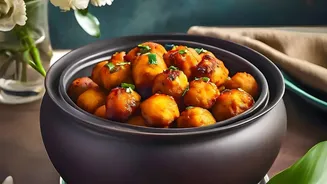
As you get deeper into your journey, you need foods that are more resilient. This is where drier, oil-based preparations shine. Theplas are a classic Gujarati travel food for a reason; the mix of flour, spices, and a bit of oil gives them a longer shelf life. Similarly, stuffed parathas with non-watery fillings like spiced potatoes (aloo) or sattu are great options. Puris, especially when fried well, tend to last longer than rotis and are fantastic with a dry potato curry or a tangy pickle. These foods have a lower moisture content, which slows down bacterial growth and keeps them palatable for longer.
The Long Haul (8+ Hours): Dry & Dependable
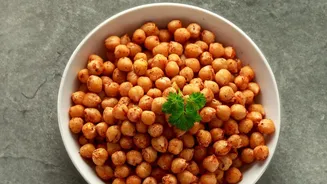
For the final stretch of a long journey, or for multi-day trips, your food strategy needs to shift to non-perishable and dry items. This is the domain of snacks that are designed to last. Roasted items like makhana (fox nuts) and chana (chickpeas) are light, nutritious, and last for days. Dry snacks like khakhra, mathri, and chakli are also perfect travel companions. For something sweet and energy-giving, consider ladoos made with ghee and nuts, or chikkis (brittles). Whole fruits like apples, bananas, and oranges are also great, as their natural peel keeps them protected. Don't forget sealed packets of biscuits and namkeens for reliable, anytime snacking.
Smart Packing for Maximum Freshness
How you pack is just as important as what you pack. Use separate containers for wet and dry foods to prevent moisture from making everything soggy. Aluminium foil is excellent for wrapping rotis and parathas, as it allows some air to circulate, preventing them from becoming limp with condensation. For curries and sabzis, always opt for airtight, leak-proof containers. Before leaving, double-check that all lids are sealed tightly. When packing your bag, place the heartiest, non-crushable items at the bottom and the more delicate foods on top. An insulated bag can also help maintain a more stable temperature for a longer period, buying you precious extra hours of freshness for your initial meals.