




The Ancient Grain's Modern Moment
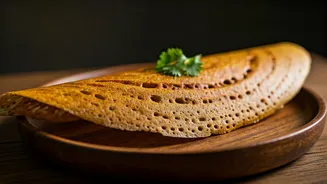
Step aside, avocado toast. Move over, overnight oats. There’s a new (but actually ancient) champion stepping into the breakfast ring: the ragi dosa. For generations, finger millet, or ragi, has been a cornerstone of diets in states like Karnataka, Andhra
Pradesh, and Tamil Nadu. Often seen as a humble, rural food, it’s now experiencing a massive resurgence in urban kitchens and trendy cafes across India. This isn't just about nostalgia; it’s a conscious shift towards wellness. As people become more health-conscious, they are rediscovering the wisdom of traditional Indian foods. Ragi, a hardy and sustainable crop, fits perfectly into the modern desire for foods that are both good for us and good for the planet. Its comeback is part of a larger movement celebrating indigenous grains like jowar, bajra, and foxtail millet, proving that sometimes the best 'new' superfoods have been on our plates all along.
A Nutritional Powerhouse
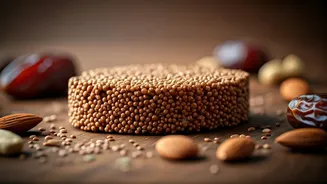
So, what’s behind the hype? The answer lies in ragi's incredible nutritional profile. This unassuming millet is a veritable powerhouse of essential nutrients. First, it’s a fantastic source of calcium, boasting one of the highest contents among all cereals, making it excellent for bone health. It’s also rich in iron, which can help combat anaemia, and packed with dietary fibre. This high fibre content aids digestion, promotes a feeling of fullness (helping with weight management), and, most importantly, helps regulate blood sugar levels. Ragi has a low glycemic index, meaning it releases sugar into the bloodstream slowly. This makes it an ideal breakfast choice for diabetics and anyone looking to avoid the energy crash that comes with sugary, processed cereals. On top of all that, it’s naturally gluten-free, opening up a delicious and nutritious option for those with gluten sensitivities or celiac disease.
Taste and Texture: Beyond the Health Halo
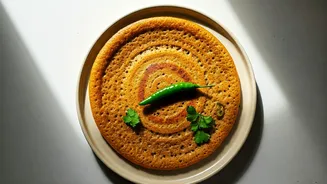
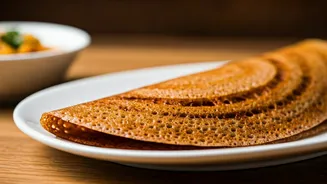
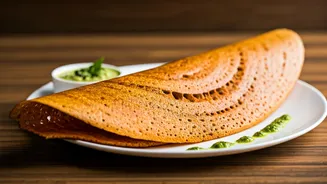
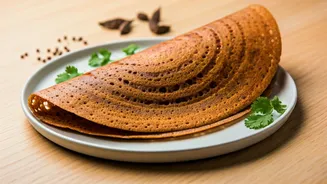
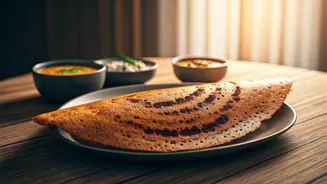
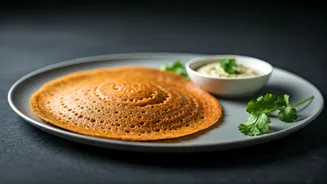
Healthy food often gets a bad rap for being bland, but the ragi dosa shatters that stereotype. It has a unique, slightly earthy, and nutty flavour that sets it apart from the more neutral taste of a regular rice-based dosa. The texture is its secret weapon. Depending on how it’s prepared, a ragi dosa can be wonderfully versatile. Crave something crispy? A thin, lacy ragi dosa served hot off the tawa has an irresistible crunch. Prefer something soft and spongy? A slightly thicker version is perfect for soaking up sambar and chutney. This adaptability makes it a crowd-pleaser. It pairs beautifully with classic accompaniments like coconut chutney, tomato chutney, and a flavourful vegetable sambar. Some even get creative by adding grated carrots, onions, or coriander to the batter for an extra boost of flavour and nutrition.
Easy to Make, Easy to Love
Bringing the ragi dosa into your kitchen is easier than you might think. For the purists, the traditional method involves soaking whole ragi grains, grinding them into a batter (often with some urad dal and rice for texture and fermentation), and letting it ferment overnight. This process develops a deeper flavour and increases nutrient bioavailability. However, in our fast-paced world, convenience is key. The market is now flooded with high-quality instant ragi dosa mixes. These powders just need to be mixed with water and sometimes a little curd or buttermilk to create a batter that’s ready in minutes. This accessibility has been a game-changer, allowing even the busiest individuals to whip up a wholesome and satisfying breakfast without any hassle. Whether you go the traditional route or opt for a quick mix, a delicious, nutrient-dense meal is never far away.