
What is Fusion Baking?
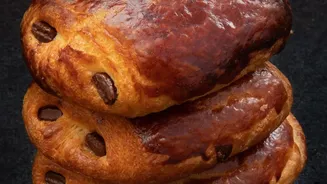
At its heart, fusion baking is the art of blending ingredients, techniques, and concepts from two or more distinct culinary traditions to create something entirely new. Think of it as a delicious dialogue between cultures. It’s where the flaky, buttery
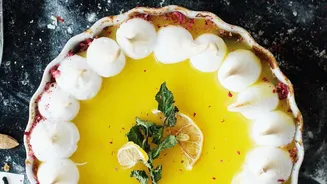
layers of a French croissant might meet the fillings of a Malaysian curry puff, or a classic Italian panna cotta gets infused with Indian thandai. This culinary movement isn't entirely new—the concept of combining food cultures is as old as trade routes—but its modern iteration is bold, playful, and visually driven. The goal is to create a dish that is both novel and harmonious, where different elements complement each other to produce a unique taste and texture experience. Iconic examples include the 'Cronut' (croissant-doughnut) and the 'Cruffin' (croissant-muffin), which have paved the way for endless experimentation.
The Gen Z Connection
So why has this trend resonated so strongly with Gen Z? This is the first generation of true digital natives, whose palates have been shaped by global exposure through social media. Platforms like TikTok and Instagram are visual-first, making photogenic fusion creations—with their surprising shapes and vibrant colours—perfectly shareable. For Gen Z, food is a form of self-expression and adventure. Studies show this generation actively seeks out new and unique flavours. They are adventurous eaters who are open-minded and enthusiastic about trying new things. This isn't just about taste; it's about the experience and the story behind the food. Fusion baking offers this in spades, providing not just a snack, but a conversation starter and a piece of shareable content. Eighty-five percent of Gen Z have even tried a food trend they saw go viral online.
An Indian Twist on a Global Trend
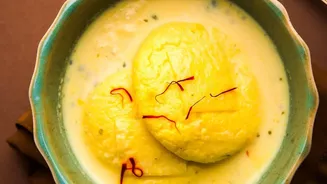
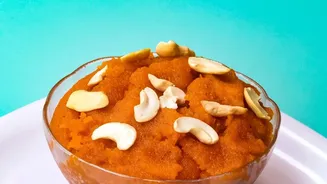
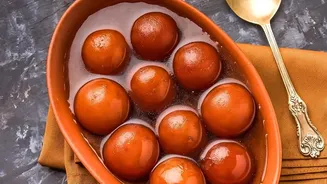
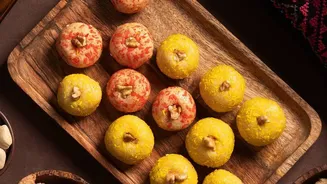
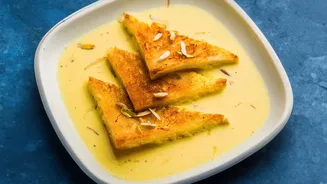
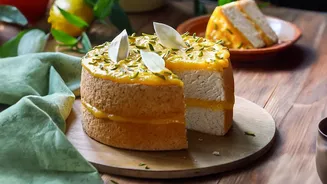
In India, fusion baking has found a particularly enthusiastic audience, blending the country's rich tapestry of traditional sweets with Western baking techniques. The results are spectacular and have become a sensation at festivals, weddings, and in trendy urban cafes. Imagine a creamy, velvety cheesecake with a surprise centre of a syrup-soaked gulab jamun. Or a classic Latin American tres leches cake, but soaked in the saffron- and cardamom-infused milk of rasmalai. These creations are wildly popular. We're seeing everything from Motichoor Ladoo Cheesecake and Masala Chai Tiramisu to Jalebi Caviar and Kaju Katli Tarts. This trend appeals to multiple generations; it offers the nostalgic comfort of familiar flavours for older family members, presented in a modern format that excites younger, globally-influenced palates.
More Than Just a Mash-up
While it's easy to dismiss fusion baking as a fleeting social media fad, its endurance suggests something deeper. It represents a fundamental shift in how we think about food, moving beyond rigid, traditional boundaries. It’s a reflection of our increasingly interconnected world. For bakers, it’s a boundless playground for creativity, allowing them to innovate while paying homage to tradition. For consumers, especially Gen Z, it satisfies a craving for comfort and novelty simultaneously. They can enjoy the familiar taste of a classic dessert while also experiencing the thrill of something new. This isn’t about replacing traditions, but about building new ones. It’s a culinary language that celebrates diversity, experimentation, and the joy of finding the surprising connections between different worlds.