








The Problem with AI 'Knowledge'
Large Language Models (LLMs) that power chatbots are designed to predict the next word in a sentence based on vast amounts of data they were trained on. They don't 'know' facts; they generate statistically probable text. This leads to several critical
flaws for travel advice. First is the data cutoff; an AI's knowledge is frozen in time and doesn't include rule changes made after its last training. Second, they can 'hallucinate'—inventing confident but entirely false information, from non-existent visa policies to restaurants that closed years ago. Finally, they lack nuance. Visa rules are complex and can depend on your specific nationality, the exact border you're crossing (land vs. air), and your travel history, details an AI often misses.
Real-World Consequences of Bad Advice
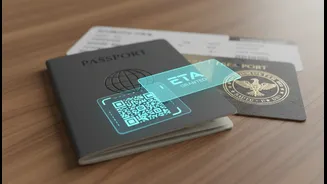
The risks are not theoretical. In one recent case, a Spanish influencer was denied boarding for a flight to Puerto Rico with her partner. She had asked a chatbot if a visa was needed and was told no. While technically true for Spanish citizens, the AI failed to mention the mandatory Electronic System for Travel Authorization (ESTA) required for U.S. territories. In another incident, a solo traveller was stranded in 40°C heat at the Vietnam-Cambodia land border after an AI incorrectly told her a visa-on-arrival was available. This error resulted in a frantic, hours-long wait and an emergency fee of $250 to get the correct documents. These stories highlight a clear pattern: for legal entry requirements, a chatbot's convenience is not worth the risk of financial loss and travel disruption.
The Only Source for Truth: Official Channels
When it comes to visa, transit, and entry rules, there is no substitute for official government sources. These are the only platforms that can provide accurate, up-to-the-minute information that applies to your specific situation. Chatbots and third-party websites have no accountability if their information is wrong. Official sources are the definitive authority on their own country's laws. It is crucial to get your information directly from the government of the country you plan to visit. This small step is the most important part of your pre-travel checklist and ensures you are not acting on outdated or misinterpreted information that could jeopardise your entire trip. Governments and consular agencies are increasingly warning travellers to verify AI-generated advice with official portals.
Your Pre-Travel Verification Checklist
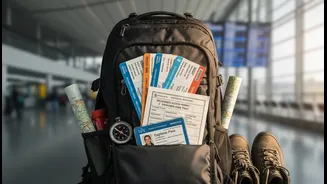
Before you book flights or accommodation, follow these steps to ensure your travel documents are in order. First, identify the official embassy or consulate website of your destination country for your country of citizenship. Look for websites ending in '.gov' or the official government domain for that nation, as this signifies an official source. Second, navigate to their visa services or entry requirements section. Read the rules that apply specifically to your nationality and the purpose of your trip (e.g., tourism, business). Third, if you are transiting through another country, repeat this process for the transit country, as some require a separate transit visa. Pay close attention to the rules for airside transit versus clearing immigration. Finally, double-check all requirements, such as passport validity, proof of funds, and any necessary health declarations, close to your departure date, as rules can change unexpectedly.