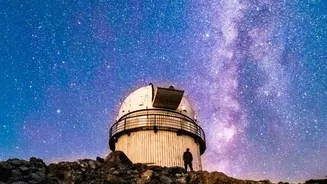







What is a Dark Sky Site?
Before we journey to Maharashtra, let's clarify the concept. A 'dark sky' location is an area that is specifically protected for its exceptional starry nights and is committed to preventing light pollution. Light pollution is the excessive or misdirected
artificial light from cities and industries that creates a 'sky glow', washing out stars and disrupting natural ecosystems. DarkSky International, a global authority, certifies these locations under various categories, such as Parks, Reserves, and Communities. This certification isn't just a plaque; it's a commitment to responsible lighting policies, energy conservation, and protecting the nocturnal environment for wildlife and humans alike.
Meet Udmal: A Celestial Haven in Nashik
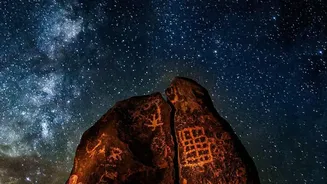
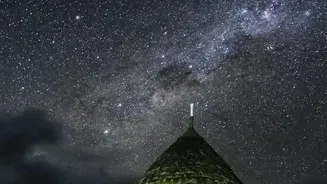
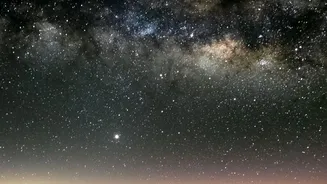
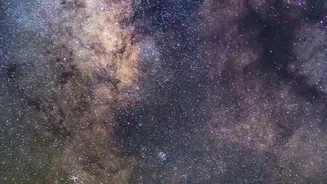
Tucked away in the Surgana taluka of Nashik district, the tribal village of Udmal is at the heart of Maharashtra's dark sky ambitions. Situated in the Western Ghats, its remote location shields it from the urban sky glow of major cities like Mumbai and Pune. The quality of its night sky is so pristine that on a clear, moonless night, the Milky Way is visible to the naked eye. This natural advantage makes it a prime candidate for becoming one of India's first officially recognised 'Dark Sky Communities'. The village Gram Sabha has already passed a resolution to protect its night skies, showing a community-led commitment to this unique conservation effort.
The Journey to International Recognition
Gaining an international Dark Sky certification is a rigorous process. Leading the charge in Maharashtra is AstronEra, a Pune-based organisation that has signed a formal agreement with DarkSky International to guide such projects. Udmal is one of eleven pilot sites identified across Maharashtra for this initiative. The process involves measuring sky quality, implementing responsible lighting (like shielded, downward-facing lights), and extensive community education and involvement. The local administration has sanctioned funds to help develop infrastructure and promote the initiative, signalling strong government support. This effort isn't just about tourism; it's about a fundamental respect for a natural resource.
More Than Stars: The Impact on Local Life
For the residents of Udmal, this initiative is about more than just preserving darkness; it's about sustainable development. The 'Dark Sky' tag is expected to catalyse a new form of eco-tourism known as astro-tourism. This creates a powerful opportunity for sustainable livelihoods for the local tribal community. Unlike mass tourism, astro-tourism attracts visitors who value quiet, nature, and conservation. It opens avenues for locals to become guides, host homestays, and share their culture, creating economic benefits that are in harmony with their environment. The community has embraced the vision of development that is led by them, not just for them.
A Growing Movement Across India
Udmal's effort is part of a larger, exciting trend in India. While the Hanle area in Ladakh is designated as India’s first Dark Sky Reserve, Maharashtra's Pench Tiger Reserve recently became the country's first Dark Sky Park. The key distinction is that Udmal is aiming to be a 'Community', a certification centred on an inhabited village. The Maharashtra government has formally adopted a Dark Sky policy and identified 11 potential sites, including Lonar Crater and Bhandardara, signalling a statewide commitment to protecting its night skies. This growing movement shows a new appreciation for our celestial heritage and a desire to protect it for future generations.