








From Influence to Enterprise
The playbook for digital creators is being rewritten. For years, the path to monetization for food influencers was straightforward: build an audience, partner with brands, and earn through sponsored posts. But a new, more ambitious model is taking over.
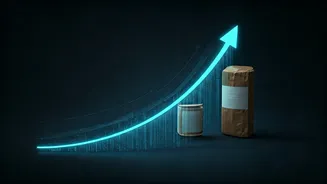
Instead of simply endorsing other companies' products, creators are becoming the company. This evolution marks a significant shift from renting out their influence to owning the entire value chain. By launching their own Direct-to-Consumer (D2C) brands, these creators are converting years of audience trust and community-building into tangible sales, bypassing traditional marketing costs that new brands typically face.
The New Digital Storefronts
This trend is materializing in several ways. Some creators, like baker Shivesh Bhatia, have authored cookbooks and collaborated on product lines. Others, like Shreya Jain, have expanded into adjacent lifestyle products like cookware. The most direct approach involves launching packaged food products. Patil Kaki, a brand started from a home kitchen, leveraged social media to turn traditional Maharashtrian snacks into a business that now earns crores. The infrastructure for this shift is more accessible than ever, with platforms enabling everything from production to pan-India delivery, allowing creators to focus on what they do best: connecting with their audience. This convergence of trust and technology is making it possible for individual creators to launch brands that compete with established players.
The Main Ingredient: Authenticity and Trust
Why is this model so effective? It comes down to trust. Modern consumers, particularly Gen Z, are increasingly skeptical of traditional advertising. They value authenticity and recommendations from creators they feel a genuine connection with. An influencer's endorsement feels like a tip from a trusted friend, not a corporate sales pitch. When that creator launches their own product, they bring a built-in customer base that is already invested in their story and taste. This intimate relationship, fostered through years of comments, DMs, and interactive content, gives creator-led brands a powerful, low-cost marketing engine that legacy brands struggle to replicate.
Not a Cakewalk: The Challenges of Scaling
Despite the opportunities, the transition from creator to entrepreneur is fraught with challenges. The food and beverage market is notoriously competitive and saturated. Founders must navigate the complexities of supply chain management, quality control, securing capital, and logistics. A pop-up vendor or a small D2C brand faces significant hurdles in managing inventory and securing reliable suppliers, especially for specialty ingredients. Furthermore, a creator’s personal brand is on the line. A sub-par product doesn't just lead to poor sales; it can erode the very trust and authenticity that took years to build. Balancing creative content production with the operational demands of running a full-fledged business requires a completely different skill set.