





More Than Just a Monsoon Remedy
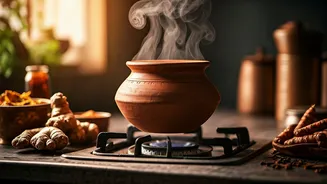
For generations, a simmering pot of kadha has been the default Indian household response to a sore throat or the first sign of a sniffle. This herbal decoction, packed with spices and herbs, has always been a trusted home remedy. However, its recent surge
in popularity goes beyond seasonal ailments. The trend is now firmly rooted in the broader wellness movement, repositioning kadha from a quick fix for sickness to a daily ritual for proactive health. The COVID-19 pandemic undeniably played a massive role, with advisories from the Ministry of AYUSH actively promoting it as an immunity booster. This official endorsement pushed kadha from the kitchen counter into the national conversation, and its momentum hasn’t slowed since. Today, it’s a symbol of taking control of one's health through natural, traditional means.
The Powerhouse Ingredients Inside
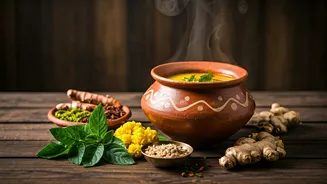
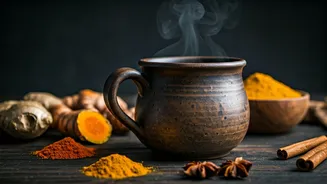
So, what exactly goes into this trending brew? While recipes vary by household, a core group of ingredients is responsible for its fame. Tulsi (Holy Basil) is revered in Ayurveda for its purifying properties and is often used to combat respiratory issues. Adrak (Ginger) is a powerful anti-inflammatory and digestive aid, providing the spicy kick. Kali Mirch (Black Pepper) not only adds heat but also contains piperine, a compound that significantly enhances the absorption of curcumin from Haldi (Turmeric). Turmeric itself is a celebrated antioxidant and anti-inflammatory agent. Many trending recipes also include Giloy (Tinospora cordifolia), a herb known in Ayurveda as a potent immunomodulator, and Ashwagandha, an adaptogen believed to help the body manage stress. Together, these ingredients create a synergistic blend aimed at supporting the body's natural defence systems.
Traditional Wisdom in a Modern World
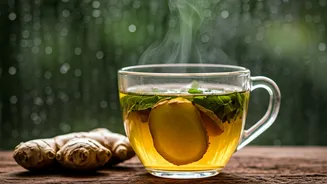
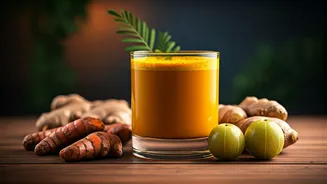
The appeal of kadha in 2024 is multi-faceted. In an era dominated by processed foods and complex supplements, there's a growing desire for authenticity and simplicity. Kadha fits this perfectly. It’s a completely natural, DIY wellness practice that connects users to age-old Indian traditions. Making it is a mindful, sensory experience—the act of crushing fresh ginger, smelling the fragrant tulsi, and watching the water turn a deep amber colour feels grounding. For many, it represents a return to roots and a rejection of a one-size-fits-all approach to health. Wellness influencers on social media have further amplified this, sharing aesthetically pleasing videos of their kadha rituals and personalising recipes, making this ancient practice feel fresh, accessible, and aspirational for a younger audience.
Does It Actually Boost Immunity?
This is the million-rupee question. From an Ayurvedic perspective, the herbs in kadha work to balance the body's doshas and strengthen 'ojas' (vital energy), which in turn supports immunity. Modern science offers a more granular view. Studies have validated the anti-inflammatory, antibacterial, and antioxidant properties of individual ingredients like turmeric, ginger, and tulsi. For instance, curcumin in turmeric and gingerol in ginger are well-researched compounds. However, it's crucial to understand that kadha is not a magic shield against disease. It’s a supportive measure that can help strengthen the body’s overall resilience when combined with a healthy diet, good sleep, and regular exercise. Think of it less as a medicine and more as a powerful, nourishing habit that fortifies your system over time.
How to Brew the Perfect Cup
Ready to try it for yourself? Making a basic kadha is simple.
1. Start with 2 cups of water in a saucepan.
2. Add 4-5 fresh Tulsi leaves, 1 inch of freshly grated ginger, and 3-4 crushed black peppercorns.
3. Add a pinch of turmeric. If you have it, add a small piece of a Giloy stem.
4. Bring the mixture to a boil and then let it simmer on low heat for 10-15 minutes, or until the water reduces to about half. This process extracts the beneficial compounds from the ingredients.
5. Strain the decoction into a cup. For taste, you can add a teaspoon of honey (wait for it to cool slightly, as boiling honey is not advised in Ayurveda) and a squeeze of fresh lemon juice.
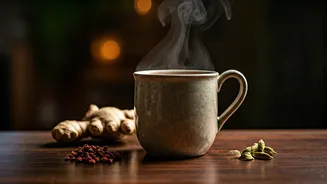
Enjoy it warm, preferably in the morning or evening. You can adjust the ingredients based on your preference—some people add cinnamon, cloves, or cardamom for extra flavour and benefits.