

The End of the Singular Trend
For years, fashion weeks were defined by a handful of dominant trends that everyone seemed to adopt simultaneously. One season it was a specific colour; the next, a particular silhouette. While trend reports from Copenhagen’s latest fashion week certainly
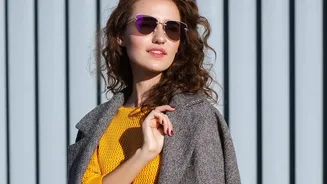
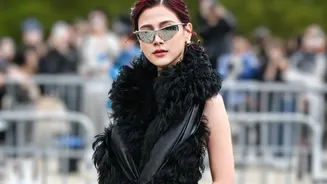
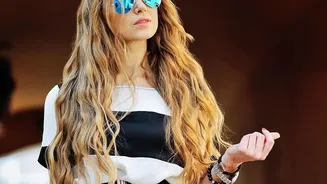
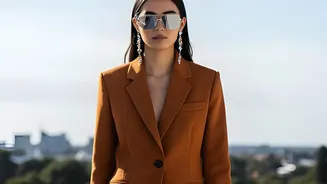
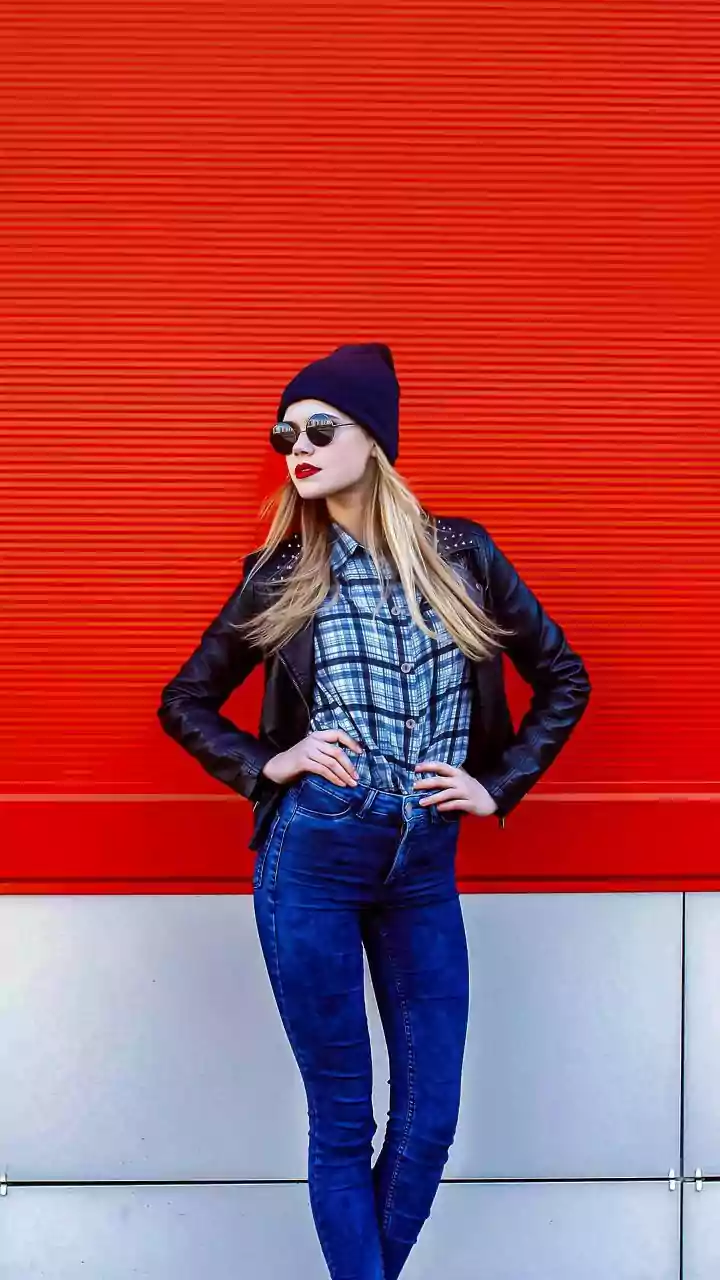
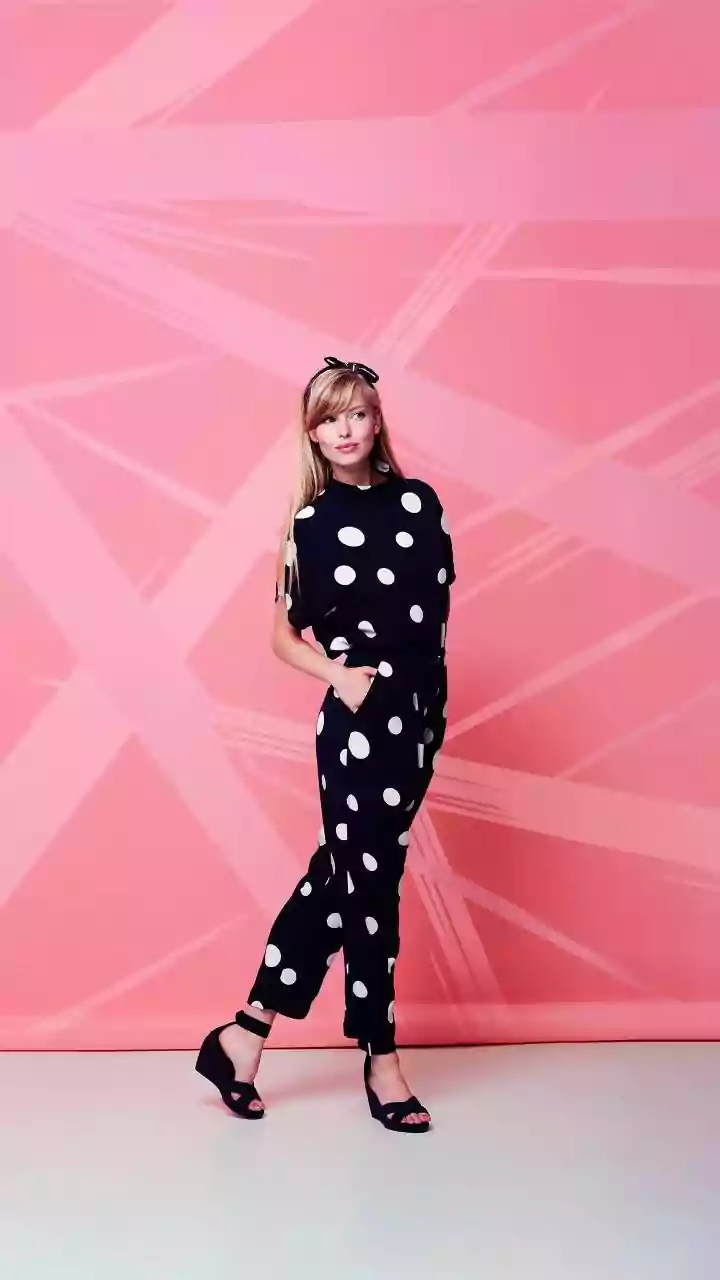
identified recurring items like Bermuda shorts, fringe accents, and pointed-toe mules, the real story lies in how these pieces were integrated. The prevailing spirit was one of radical individuality. Instead of a uniform, the streets displayed a vibrant collage of personal taste, where a sporty jacket might be paired with a sequin skirt or a masculine vest layered with feminine lace and bows. This approach signals a move away from prescriptive trends and towards a more democratic and adventurous styling formula.
A Masterclass in Mixing
The genius of Copenhagen street style is its fearless mixing of seemingly disparate ideas. Attendees expertly blended utility with romance, and comfort with couture. You might see utilitarian cargo pants softened with a delicate lace top, or slouchy, oversized tailoring paired with ultra-feminine details. This philosophy of contrast extended to accessories, where practical, roomy tote bags shared the pavement with whimsical, novelty-shaped purses. It’s a style built on creative tension, where no single element screams for attention but the overall combination tells a compelling story. This method of 'distributed individuality'—finding identity in an accumulation of details—resists the idea that style can be bought off a single rack.
Colour and Proportion as Language
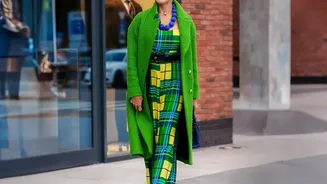
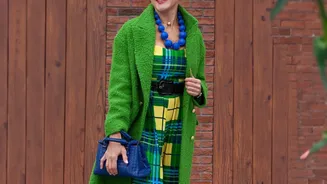
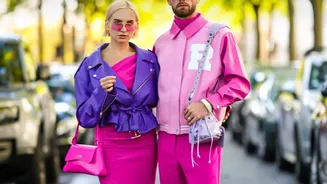
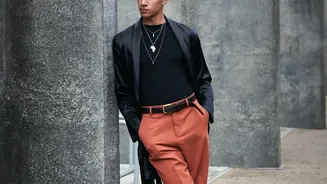
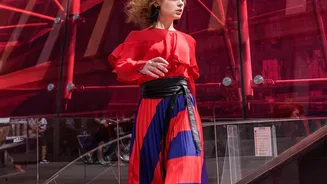
Rather than adhering to a strict seasonal palette, Copenhagen’s style set uses colour as a tool for personal expression. Some attendees chose one bold hue, like a pop of turquoise or cherry red, to punctuate an otherwise neutral outfit. Others embraced unexpected colour pairings, confidently clashing shades to create a joyful, optimistic look. This playful approach is mirrored in the manipulation of proportions. The formula often involves balancing opposites: oversized blazers with sleek pencil skirts, or voluminous trousers with fitted tops. It’s less about a specific silhouette being 'in' and more about understanding how to create visual interest through shape and layering, a skill that transcends fleeting trends.
The Sustainable Ethos Driving Individuality
This shift away from monolithic trends isn't happening in a vacuum. It is deeply connected to Copenhagen Fashion Week's identity as a leader in sustainability. Since 2020, the event has enforced minimum sustainability standards for all participating brands, covering everything from material sourcing to circular design principles. This has cultivated an environment where longevity, versatility, and conscious consumption are paramount. When the focus shifts to pieces that are made to last, adapted for different seasons, or sourced from vintage collections, the fast-fashion cycle of a single, dominant trend naturally breaks down. Style becomes an evolving collection of cherished items rather than a disposable seasonal update, fostering the very creativity and individuality seen on the city’s streets.