







The Wrapper Revolution
The foundation of a great samosa is its crispy, flaky crust. Traditionally, this is made with refined all-purpose flour (maida), which offers little nutritional value. The first and most impactful upgrade is to change the flour. Using whole wheat flour (atta)
is the easiest swap. A 100% whole wheat dough will result in a denser, nuttier crust. For a lighter texture, try a 50/50 blend of whole wheat and all-purpose flour. This gives you the best of both worlds: more fibre from the atta and a more familiar texture. For the more adventurous, consider adding a quarter cup of oat flour or ragi (finger millet) flour to your whole wheat base. These additions not only boost the nutritional profile with extra fibre and minerals but also add a unique, earthy flavour. When kneading, remember that whole grain flours absorb more water, so you might need to adjust your liquid content slightly to get a firm, pliable dough.
Reimagining the Filling
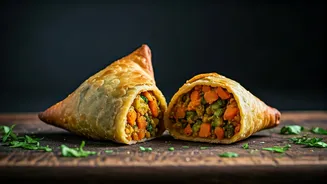
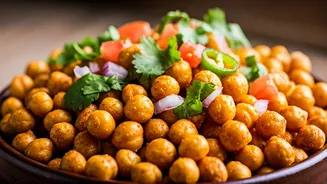
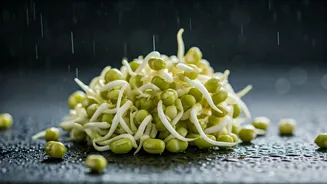
The classic aloo masala filling is iconic, but it's often a simple carbohydrate bomb. The goal isn't to eliminate the potato entirely, but to crowd it out with more nutrient-dense ingredients. Start by reducing the amount of potato by half. To fill the gap, add a vibrant mix of finely chopped vegetables like carrots, French beans, and cauliflower. Green peas are a classic for a reason—they add sweetness and a pop of texture. For a significant protein boost, consider adding crumbled paneer, which pairs beautifully with the traditional spices. Another fantastic, protein-rich option is a filling made from cooked and mashed lentils, like moong or masoor dal, spiced just like the aloo filling. Even a mix of minced chicken or keema can be used for a non-vegetarian, high-protein alternative. The key is to pack the filling with colour, texture, and nutrients, turning it from a simple starch carrier into a balanced component of the snack.
The Cooking Method Makeover
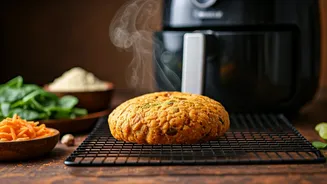
This is where the biggest health transformation happens. Moving away from the vat of hot oil doesn't mean giving up on a satisfyingly crisp exterior. Two modern kitchen appliances are your best friends here: the oven and the air fryer. For baked samosas, arrange the prepared triangles on a baking sheet lined with parchment paper. Lightly brush each side with a small amount of oil or ghee. Bake in a preheated oven at 200°C (400°F) for 20-25 minutes, flipping them halfway through, until they are golden brown and crisp. The texture will be less bubbly and more like a savoury pie crust, but still incredibly delicious and satisfying. Air frying gets you even closer to the texture of a deep-fried samosa. Preheat your air fryer to 180°C (360°F). Brush the samosas lightly with oil and place them in the basket in a single layer, ensuring they don't overlap. Air fry for 10-15 minutes, flipping once, until they are golden and crispy. The circulating hot air creates a beautifully even crust with a fraction of the oil.
Putting It All Together
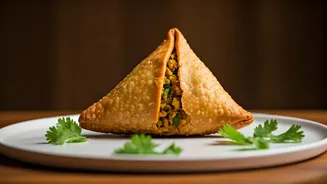
So, what does a healthy samosa look like in practice? Imagine a crisp, golden-brown triangle made from a 50/50 whole wheat and millet flour blend. You bite into it, and instead of just potato, you get a flavourful mix of peas, grated carrots, and protein-rich paneer, all bound together with fragrant spices like cumin, coriander, and garam masala. It was baked, not fried, so it's light on the stomach but still deeply satisfying. This isn't a fantasy; it's a completely achievable weeknight project. Don't be afraid to prepare the filling in advance or even freeze a batch of unbaked samosas. Simply pop them into the oven or air fryer straight from the freezer for a quick, wholesome snack whenever the craving hits.