



The Unseen Plastic Problem
The term synthetic fibres, in this context, refers to microplastics—tiny plastic particles less than five millimetres in size. These particles come from the breakdown of larger plastic items, and our kitchens are full of them. Common items like plastic containers,
utensils, and non-stick cookware can shed these particles directly into our meals. Every time you chop vegetables on a plastic cutting board or stir a hot curry with a plastic spatula, you could be unintentionally adding millions of microscopic plastic fragments to your food. While research into the full effects on human health is ongoing, the simple fact that we are ingesting plastic has prompted many to rethink their kitchen setup.
Rethink Your Chopping Surface
One of the biggest culprits for shedding microplastics is the humble plastic cutting board. Studies have shown that the simple act of chopping can release tens of millions of microplastic particles annually. These particles get mixed in with your ingredients and consumed. The solution is a return to more traditional materials. Wooden or bamboo cutting boards are excellent alternatives. They are durable and, when cared for properly, can last for years. Wood also has natural antimicrobial properties, making it a hygienic choice. To maintain a wooden board, simply wash it by hand with mild soap and water and allow it to dry completely. Periodically oiling it will keep it from cracking.
Swap Your Food Storage
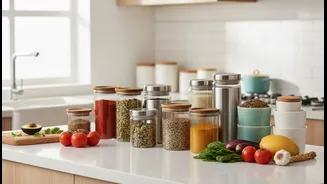
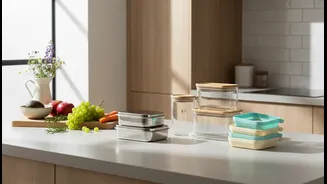
Plastic containers are convenient, but they come with risks. Not only can they shed particles, but some plastics may also leach chemicals, especially when they come into contact with hot, oily, or acidic foods—a common scenario in Indian cooking. The easiest and safest swap is to switch to glass or stainless steel containers. Glass jars are perfect for storing everything from dal and rice in the pantry to leftovers in the fridge. Stainless steel 'dabbas' are a staple in many Indian households for a reason: they are non-reactive, incredibly durable, and don't absorb stains or odours from spices. For covering bowls, consider reusable silicone lids or beeswax wraps instead of disposable cling film.
Mind the Heat
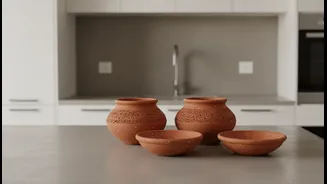
Heat and plastic are a bad combination. Microwaving food in plastic containers can accelerate the shedding of microplastics and the leaching of chemicals like BPA and phthalates. The safest rule is to never heat food in plastic. Always transfer leftovers to a glass or ceramic dish before reheating. This rule also applies to cooking utensils. When stirring a hot sabzi or frying a tadka, avoid using plastic spatulas or spoons, which can melt or degrade at high temperatures. Opt for utensils made of stainless steel, wood, or bamboo, which can handle the heat without adding unwanted extras to your meal.
Rethink Your Cookware
Even your pots and pans can be a source of synthetic materials. Many non-stick pans are coated with a type of plastic (PTFE) that can break down over time, especially if the surface gets scratched. As the coating flakes off, it can end up in your food. For a more durable and safer cooking experience, consider investing in stainless steel, cast iron, or ceramic cookware. Cast iron, a traditional favourite in Indian kitchens, is exceptionally long-lasting and becomes naturally non-stick with proper seasoning. Stainless steel is a versatile workhorse for everything from boiling to sautéing, and it is completely non-reactive.