

Beyond Basmati: A Return to Diversity
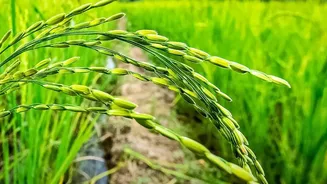
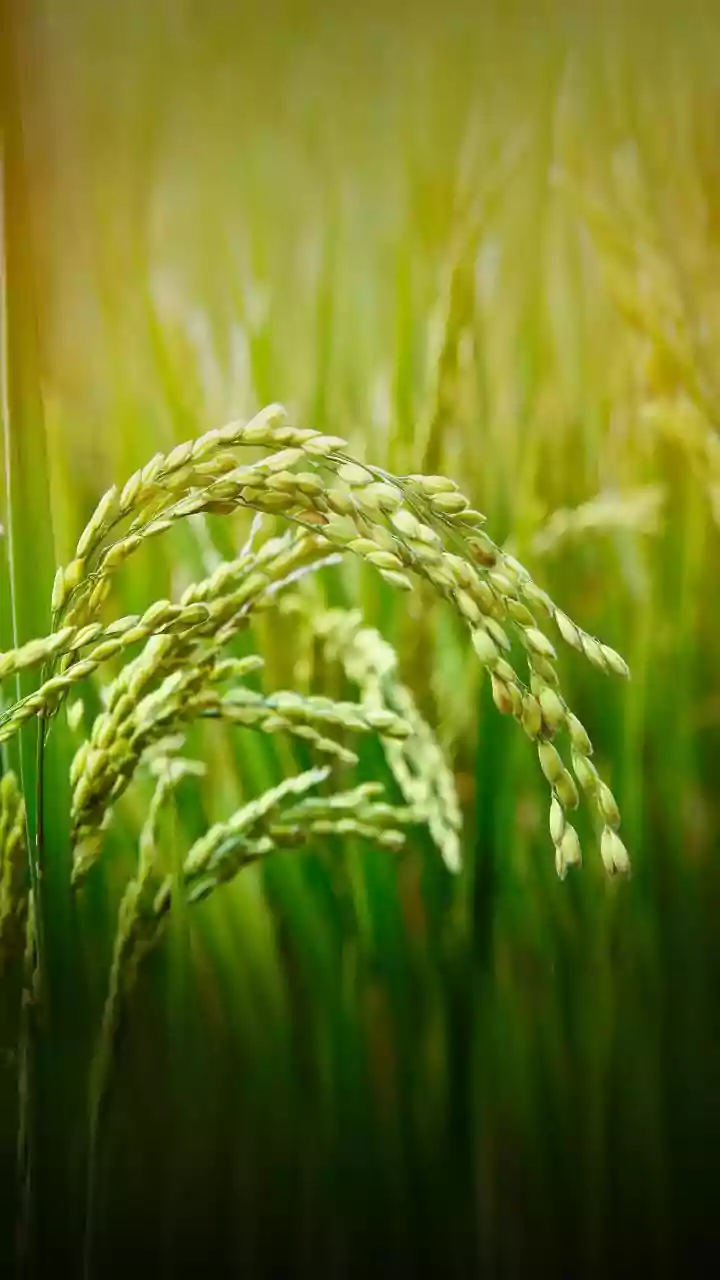
For generations, the rhythm of Indian agriculture was defined by an incredible diversity of rice. India once cultivated over 100,000 different varieties, each perfectly adapted to its local environment. There was medicinal Navara rice in Kerala, aromatic
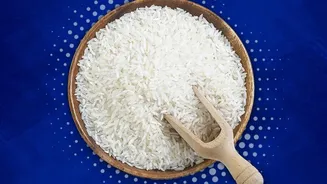
Gobindobhog in West Bengal, and the ceremonial black Chak-Hao in Manipur. However, the Green Revolution of the 1960s, while successful in ensuring food security, prioritised high-yield hybrid seeds. This led to a dramatic decline in biodiversity, with thousands of traditional strains vanishing from fields and kitchens, replaced by uniform white grains. Today, a powerful counter-movement is underway. Driven by a coalition of farmers, conservationists, chefs, and increasingly aware consumers, these forgotten grains are staging a remarkable comeback.
The Prescription for Better Health
One of the biggest drivers of this revival is a growing focus on health and wellness. Unlike their polished counterparts, which are stripped of their most nutritious layers, heritage rice varieties often retain their bran and germ. This makes them a powerhouse of nutrients. Many traditional red, black, and brown varieties are rich in fibre, antioxidants, vitamins, and essential minerals like iron and zinc. For instance, Tamil Nadu's Mappillai Samba, or 'Bridegroom's Rice', was traditionally eaten to build stamina. Many of these grains, like Kullakar and Navara, have a lower glycemic index, meaning they release sugar into the bloodstream more slowly, making them a better choice for managing blood sugar levels. As consumers look for food that nourishes rather than just fills, these nutrient-dense grains offer a compelling and natural alternative.
A Renaissance of Flavour and Taste
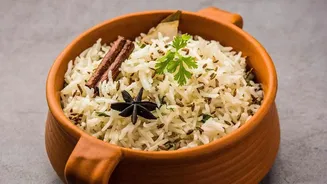
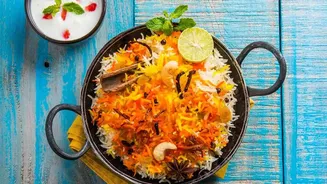
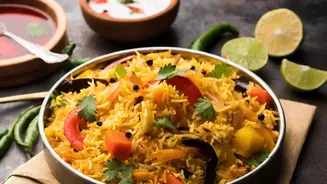
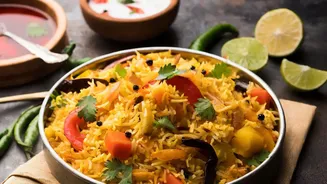
Beyond the health benefits, heritage rice offers a world of complex flavours, aromas, and textures that have been missing from the mainstream palate. Chefs and home cooks are rediscovering the unique culinary properties of these grains. West Bengal's tiny, aromatic Gobindobhog lends a buttery fragrance to payesh and khichuri. Assam's Joha rice, with its naturally sweet and floral scent, is perfect for festive pulaos. In the south, the short-grained Jeerakasala or Kaima is being chosen over Basmati for making authentic biryanis. The nutty, chewy texture of black rice and the earthy notes of red rice provide a satisfying culinary experience that monoculture grains simply cannot match. This return is not just about eating healthy; it's about eating food that is genuinely more interesting and delicious.
Good for the Farmer, Good for the Planet
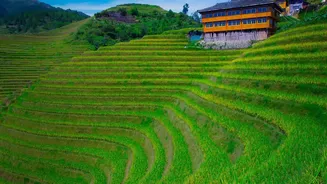
The revival of heritage rice is also a story of climate resilience and sustainability. These traditional varieties evolved over centuries to thrive in specific local conditions, making them naturally resistant to pests and adaptable to environmental stresses like floods, droughts, and saline soil. In the cyclone-prone Sundarbans, farmers are returning to salt-tolerant varieties like Nona Bokra. Kerala’s Pokkali rice can withstand severe waterlogging. This resilience means they often require fewer chemical fertilisers and pesticides, which is better for the environment and reduces costs for small farmers. By choosing to cultivate these indigenous grains, farmers are not only preserving biodiversity but also creating a more sustainable and climate-proof agricultural future for themselves and their communities.