





The Shift from Sightseeing to 'Feeling'
For years, monsoon travel in India meant one of two things: flocking to Goa for lower prices or hunkering down in a nearby hill station with a book and hot snacks. The rain was something to be watched, not experienced. But that mindset is undergoing a significant
transformation. Today, a growing number of domestic travellers, particularly younger generations, are prioritising 'experience-first' holidays. This isn't about ticking off a list of viewpoints; it's about actively engaging with a destination. According to recent travel data, there's a clear move towards trips built around wellness, adventure, cultural immersion, and spiritual connection. The monsoon, once seen as the off-season, is now becoming the perfect backdrop for these deeper experiences, offering fewer crowds, lush landscapes, and a more authentic feel.
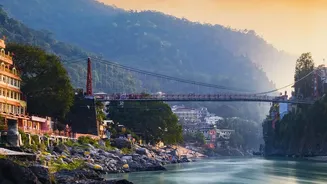
Rishikesh: Spirituality and Adrenaline in the Rain
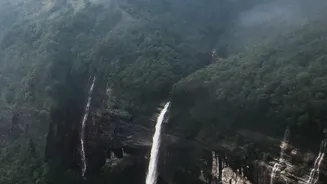
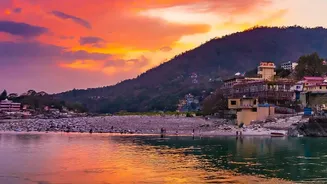
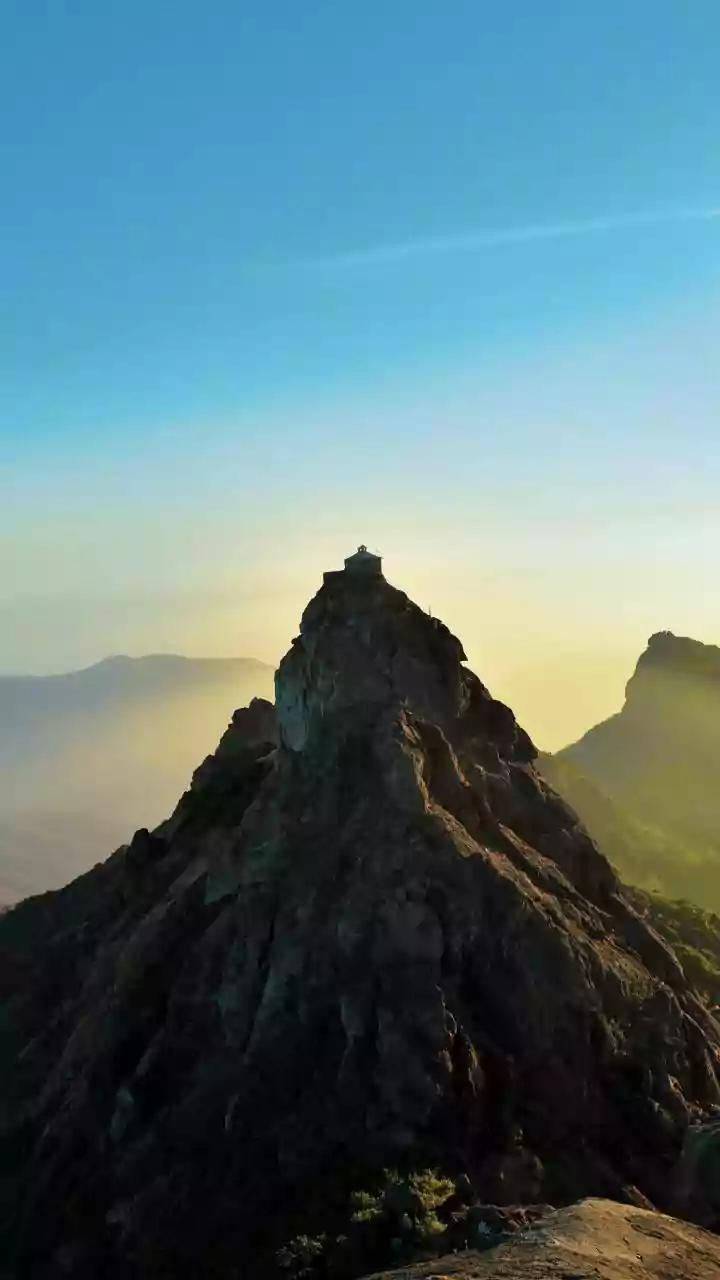
Rishikesh’s monsoon appeal lies in its dramatic transformation. While peak-season river rafting is restricted for safety, the town offers a different kind of energy. The Ganga, swollen and powerful, provides a formidable backdrop for quiet contemplation along the ghats. The real magic, however, is found in the surrounding hills. Waterfalls like Neer Garh, which are mere trickles in summer, become roaring cascades, creating destinations in their own right. The focus shifts to experiences like guided forest walks in the newly greened Rajaji National Park buffer zones, sunrise treks to Kunjapuri Temple to see mist-filled valleys, and exploring the vibrant cafe culture. Yoga and wellness retreats take on a new meaning, with the sound of rain adding to the meditative atmosphere. Recent data shows a massive spike in searches for Rishikesh during the monsoon months, jumping from 18th to 3rd place among domestic destinations as travellers seek out these unique seasonal activities.
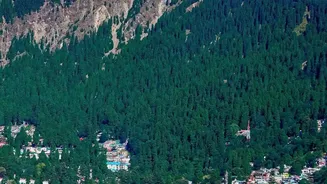
Mussoorie: The Moody, Magical Queen of Hills
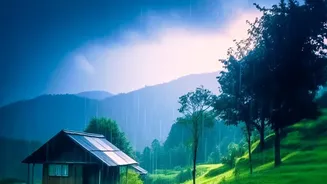
Mussoorie, long cherished as a summer retreat, is revealing a new, atmospheric charm during the monsoon. Hotel bookings for the hill station have seen nearly a tenfold growth compared to last year, a clear sign of its rising popularity in the rainy season. Travellers are now looking beyond the crowded Mall Road and discovering the joy of walking down a misty Camel’s Back Road. The experience here is about embracing the weather, not hiding from it. It's about finding a cosy corner in a Landour bakery, exploring hidden trails that lead to overflowing, lesser-known waterfalls like Bhatta and Jharipani, and driving up to Lal Tibba to watch the clouds roll across the Himalayan peaks. This shift is driven by a desire for a quieter, more personal connection with the hills, away from the peak-season rush.
What’s Driving this Monsoon Movement?
Several factors are fuelling this trend. The rise of 'experience-led' travel, especially among Gen Z and Millennial travellers, is a primary driver. These digital natives are inspired by social media to seek out unique, photogenic experiences, and a mist-covered mountain or a thundering waterfall is far more compelling than a standard hotel view. Furthermore, a broader shift in the Indian travel mindset sees holidays as an essential part of life, not just an annual luxury. This has led to an increase in shorter, more frequent trips, and the monsoon season provides a perfect window for these getaways. Destinations like Rishikesh and Mussoorie are perfectly positioned, offering easy access from major north Indian cities and a wealth of activities that align perfectly with this new travel philosophy. Travel platforms report that this focus on personal interests and wellness is redefining seasonal travel conventions entirely.