



The Living Room vs. The Big Screen
The single biggest factor changing our movie habits is the sheer convenience of Over-the-Top (OTT) platforms. The pandemic accelerated a trend that was already brewing: audiences grew accustomed to watching new releases from the comfort of their sofas.
With streaming services like Netflix, JioHotstar, and Amazon Prime offering a vast library for a monthly fee, the bar for what justifies a trip to the cinema has been raised significantly. Surveys have shown that a majority of urban Indians now prefer streaming at home, visiting theatres less frequently. This has trained audiences to be more selective, reserving their time and money for films that promise an experience that a high-definition TV and soundbar simply cannot replicate.
The Economics of an Outing
A trip to the movies is no longer a casual expense; it's a calculated decision. Rising ticket prices, coupled with the notoriously high cost of concessions like popcorn and drinks, can turn a family outing into a significant investment. Theatres make a substantial portion of their profits from these snacks, often more than from the tickets themselves, a large share of which goes to the film's distributors. As a result, when audiences decide to spend, they want to guarantee a return on their investment in the form of unparalleled entertainment. This economic pressure means a quiet drama or a mid-budget comedy might feel less like a 'value for money' proposition compared to a visual effects-heavy blockbuster that demands to be seen on the largest screen possible.
The Rise of the 'Event' Film
In response to these shifts, film studios have doubled down on creating 'event' cinema. These are movies that transcend typical film releases to become cultural moments. Think of the worldwide phenomenon of a new 'Spider-Man' movie or the grand scale of Indian epics like 'Baahubali 2: The Conclusion'. These films are marketed not just as stories, but as unmissable spectacles that thrive on collective energy and fan culture. They dominate social media conversations and generate a sense of urgency—a fear of missing out—that powerfully counteracts the patient 'wait for streaming' mindset. This strategy has proven effective, with large-scale event films consistently driving post-pandemic box office success.
Technology as the Main Attraction
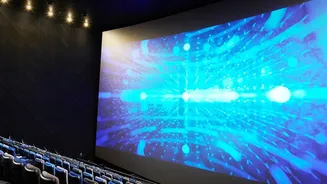
To differentiate themselves, multiplexes are leaning heavily on premium formats. IMAX, 4DX, Dolby Atmos, and large-format screens are no longer just enhancements; they are central to the marketing of blockbuster films. For a movie like Christopher Nolan's 'The Odyssey', the IMAX experience was a key part of its appeal, drawing audiences who wanted to be fully immersed in its visual grandeur. This technological arms race is a direct answer to the improving quality of home entertainment. Theatres can no longer sell just the movie; they must sell a superior sensory experience that is impossible to recreate at home, making visual spectacle a primary driver of ticket sales.
The Squeezed Middle Ground
This focus on spectacle has created a challenging environment for mid-budget films—the dramas, comedies, and original stories that were once the backbone of the industry. While these films often find a second life and a dedicated audience on streaming platforms, they struggle to draw initial crowds in theatres. The theatrical window—the period a film is exclusively in cinemas—has become crucial, with most films now arriving on OTT platforms roughly eight weeks after their theatrical debut. This creates a landscape where the box office is increasingly dominated by two extremes: massive, can't-miss blockbusters and, to a lesser extent, low-budget, high-concept hits. The middle ground, however, finds itself squeezed out, often failing to justify the 'big night out' for discerning viewers.