





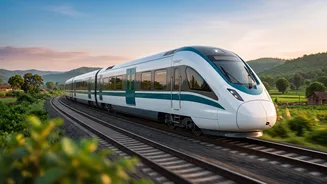
How Do Hydrogen Trains Work?
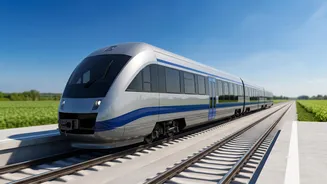
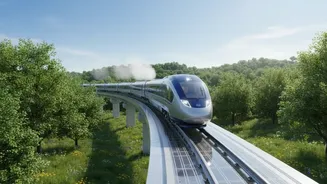
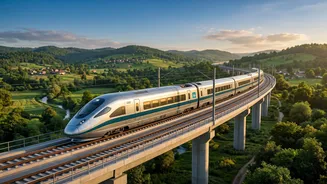
Think of a hydrogen train as a mobile power plant that runs on clean energy. Instead of burning diesel, these trains use hydrogen fuel cells. Inside the fuel cell, hydrogen stored in high-pressure tanks reacts with oxygen taken from the air. This electrochemical
reaction generates electricity to power the train's motors. The best part? The only byproduct is water vapour and a little heat, meaning zero harmful tailpipe emissions like carbon dioxide or particulate matter. Excess energy generated, for example during braking, can be stored in onboard batteries to give the train a boost when accelerating.
India's Green Mission on Rails
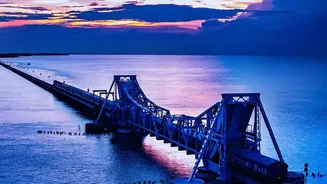
This initiative is a cornerstone of Indian Railways' ambitious plan to become a 'Net Zero Carbon Emitter' by 2030. Having already electrified nearly its entire broad-gauge network, the focus has shifted to finding clean alternatives for routes where electrification is difficult or undesirable, such as heritage lines. The 'Hydrogen for Heritage' project specifically aims to retrofit diesel-powered trains on these scenic routes, preserving their charm while eliminating pollution. This aligns with India's broader climate commitments to reduce the nation's overall carbon intensity.
The First Trials in Haryana
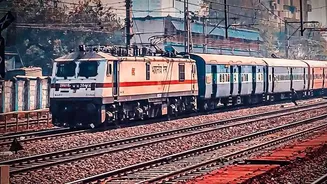
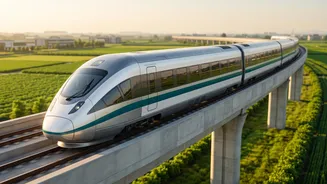
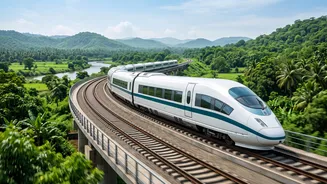
The first real-world test for this technology in India is happening on the Jind-Sonipat section in Haryana. India's first hydrogen-powered train, a retrofitted Diesel Electric Multiple Unit (DEMU) rake, began operations here in July 2026. This pilot project serves as a crucial technology demonstrator, placing India in a select group of nations exploring hydrogen rail transport. While successful from a technical standpoint, the route has seen low passenger numbers, prompting officials to consider extending the service to Delhi to test it in a high-demand environment. Successful trials at speeds up to 120 kmph have already been completed, with plans to operate the train at 110 kmph.
More Than Just Cleaner Air
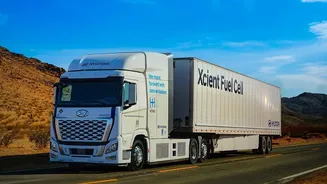
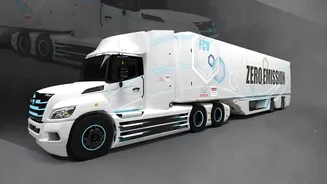
The benefits of hydrogen trains extend beyond just cutting emissions. By replacing imported diesel with domestically produced green hydrogen, Indian Railways can significantly reduce its massive fuel bill, leading to substantial cost savings. This transition also enhances India's energy security by reducing dependence on fossil fuels. Furthermore, since the fuel cells produce electricity without combustion, the trains are much quieter than their diesel counterparts, reducing noise pollution along the tracks. A larger shift of freight from road to rail, powered by clean energy, would also mean a massive reduction in carbon emissions for the entire logistics industry.
Challenges on the Path to a Hydrogen Future
Despite the promise, the road ahead has significant challenges. A major hurdle is the cost and infrastructure for hydrogen itself. Producing 'green' hydrogen (made using renewable energy) is currently more expensive than conventional fuels. Building a nationwide network of production plants, safe storage facilities, and refuelling stations requires massive investment and careful planning. Safety is also paramount, as hydrogen is highly flammable and must be stored under high pressure, demanding strict regulatory standards. Finally, India is currently dependent on imported components for fuel cells, highlighting the need to develop indigenous technology to make the project truly self-reliant and scalable.
What's Next for Hydrogen Trains?
The Jind-Sonipat trial is just the beginning. The performance data and operational learnings from this pilot will be critical in shaping the future of hydrogen rail in India. Based on its success, Indian Railways plans to roll out 35 hydrogen trains across eight heritage routes, including the scenic Matheran Hill Railway. Experts are closely monitoring the current trial, especially regarding passenger safety and the logistics of refuelling, before making decisions on wider implementation. A successful rollout on heritage lines could pave the way for wider adoption on other non-electrified or low-traffic routes, making a significant contribution to a cleaner, greener Indian Railways.