


An Ancient Answer to a Modern Problem
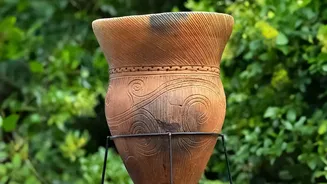
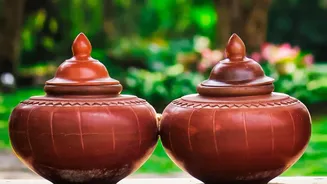
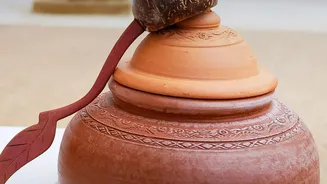
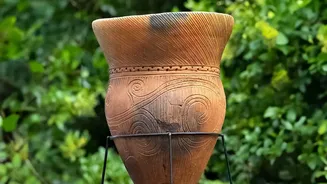
An olla—pronounced 'oy-ya'—is a simple, unglazed terracotta pot that is buried in soil and filled with water to irrigate plants. This is not a new gadget; it's a technique that has been used for thousands of years in arid climates across the globe, from
ancient China and North Africa to the Americas. The word itself comes from Spanish, simply meaning 'pot'. Its genius lies in its simplicity. By taking this time-tested tool and adapting it for the pots and containers on an urban balcony, city gardeners can solve one of their biggest challenges: maintaining consistent moisture levels without constant attention.
How Slow-Release Hydration Works
The science behind olla irrigation is elegant. Unglazed terracotta is naturally porous, filled with microscopic holes. When an olla is buried in a container and filled with water, the pot's walls allow moisture to seep slowly into the surrounding soil. This process is driven by soil moisture tension, a natural force similar to osmosis. Essentially, as the soil around the pot dries, it 'pulls' water out of the olla. If the soil is already moist from recent rain, the water stays inside the pot. This creates a self-regulating system that delivers water directly to the plant's roots, exactly when and where it's needed, preventing the stress of both over- and under-watering.
Major Benefits for Balcony Gardens
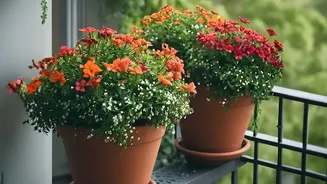
For urban gardeners, ollas offer a suite of powerful advantages perfectly suited to container gardening. Firstly, they are incredibly water-efficient, reducing water usage by up to 70% compared to surface watering. Because the water is delivered underground, there is virtually no loss to evaporation or runoff—a common issue on hot, windy balconies. This consistent, deep watering encourages plants to develop stronger, more extensive root systems. Healthier roots lead to healthier plants. Furthermore, keeping the soil surface drier helps to suppress weed growth and can deter some common garden pests and fungal diseases that thrive in damp surface conditions.
Setting Up Your Olla System
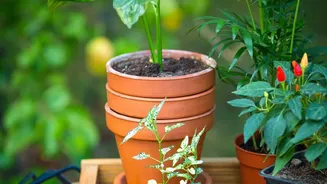
Implementing an olla system on your balcony is straightforward. First, choose a pot that is large enough to accommodate both the olla and your plants; a container of at least 20 litres is a good starting point. Before adding plants, bury the olla in the potting mix, leaving only its neck exposed above the soil line. Then, arrange your plants around the olla. Fill the olla with water and cover its opening with a stone, a small plate, or its own lid. This cover is crucial to prevent evaporation, keep debris out, and stop mosquitoes from breeding in the standing water. Depending on the weather and the size of your olla, you may only need to refill it once or twice a week.
Best Plants for Olla Irrigation
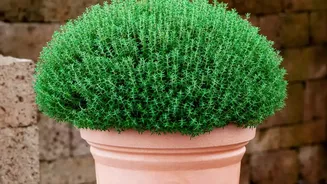
While most plants benefit from consistent moisture, some are particularly well-suited to olla irrigation. Plants with fibrous root systems that love steady hydration thrive with this method. Think of vegetables like tomatoes, peppers, and squash, as well as herbs like basil and mint. The consistent water supply can help prevent issues like blossom end rot in tomatoes, which is often caused by fluctuating moisture levels. Annual flowers such as zinnias and marigolds also do well. However, avoid using ollas for plants that require a dry period between waterings, such as succulents, or Mediterranean herbs like rosemary and lavender, which prefer drier soil conditions.