





What Exactly is Ambali?
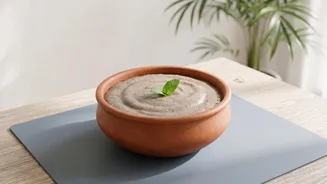
Ambali is a traditional beverage originating from South India, particularly popular in states like Karnataka, Andhra Pradesh, and Telangana. At its core, it is a simple yet powerful drink made from finger millet, known as ragi. The process involves cooking
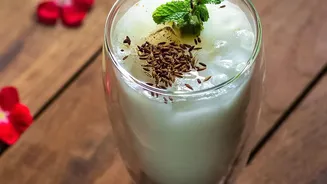
ragi flour into a porridge, which is then allowed to ferment, often overnight. This fermentation is key, as it not only imparts a distinct, mildly sour, and tangy flavour but also transforms the drink into a probiotic powerhouse. Traditionally served cool, it has a consistency somewhere between a thin porridge and a thick drink. It is often seasoned with salt and mixed with buttermilk or curd, then garnished with ingredients like chopped onions, green chillies, and fresh coriander, making it a savoury and refreshing concoction.
A Nutritional Powerhouse
The growing fame of Ambali isn't just about its unique taste; it’s deeply rooted in its impressive nutritional profile. Ragi itself is a superfood, celebrated for being one of the richest plant-based sources of calcium, crucial for bone health. It is also packed with iron, dietary fibre, and essential amino acids. The fermentation process takes its health benefits to the next level. It helps break down anti-nutrients like phytic acid, allowing the body to absorb minerals like calcium and iron more efficiently. Furthermore, fermentation encourages the growth of beneficial bacteria, making Ambali an excellent natural probiotic that supports a healthy gut microbiome, improves digestion, and can even boost immunity.
From Rural Staple to Urban Trend
For generations, Ambali has been a humble staple for farmers and labourers in rural South India. Known for its natural cooling properties, it has long been consumed to stay hydrated and energized during hot summer days. Its ability to provide sustained energy without the crash associated with sugary drinks made it the perfect functional beverage for those engaged in physical work. Today, this rustic drink is undergoing a renaissance. It is being rediscovered by a new generation of urban Indians who are increasingly health-conscious and looking for natural, locally-sourced wellness solutions. This shift has propelled Ambali from village kitchens onto the curated menus of trendy cafes in cities, where it is being embraced as a traditional, yet novel, health drink.
Why the Sudden Fame?
Several cultural and wellness trends are fueling Ambali's rise. There is a growing movement towards embracing traditional Indian food systems and appreciating the wisdom they hold. The recent global focus on millets has also put ragi in the spotlight. More importantly, the modern obsession with gut health has created a massive demand for natural probiotic foods. Consumers are moving away from processed foods and seeking out fermented options like kombucha, kefir, and now, Ambali. It fits perfectly into the clean-eating, wellness-focused lifestyle. The drink’s gluten-free nature also adds to its appeal for a wider audience. As people seek out foods that offer both flavour and function, Ambali stands out as an authentic, time-tested solution.