





A Taste of History
To understand Parsi food, you must first understand the journey of the Parsi people. Fleeing religious persecution in Persia (modern-day Iran) between the 8th and 10th centuries, Zoroastrians landed on the shores of Gujarat. They assimilated, as promised
to the local king, like 'sugar in milk'—sweetening the culture without overwhelming it. This beautiful blend is the heart of Parsi cuisine. It carries the memory of Persia in its use of nuts and dried fruits, while embracing the bounty of India through local spices and vegetables. The result is a culinary identity that is entirely unique.
The Parsi Palate: A Delicious Fusion
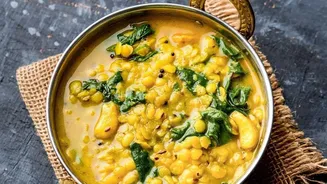
Parsi cooking is defined by a holy trinity of flavours: 'tikhu-khatu-mithu', or spicy-sour-sweet. This signature balance is evident in most dishes. While famously meat-loving, the community's time in Gujarat instilled a deep appreciation for vegetables. However, true to their roots, even vegetarian dishes are often given a hearty, savoury character. They adopted local ingredients and ingeniously incorporated them into their Persian-style cooking. This led to famous inventions like 'Dhansak', a rich stew of lentils, vegetables, and meat, and a wide array of 'per eedu' dishes, where eggs are cracked over vegetables.
Why Jackfruit?
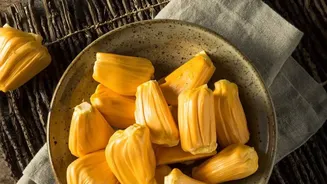
Raw jackfruit, or 'kathal', is beloved across India, often called the 'poor man's food' for its abundance but celebrated for its versatility. Its fibrous, meaty texture makes it an excellent substitute for meat, a quality that was not lost on the Parsis. In a community where meat dishes were central, kathal provided a way to create satisfying and substantial vegetarian meals that still felt traditional. The raw fruit, neutral in taste, acts like a sponge, soaking up the aromatic spices of the Parsi kitchen, making it a perfect canvas for the iconic 'khatu-mithu' flavour profile. Cooking kathal was an act of culinary adaptation, a nod to their new home in India.
The Parsi Club Kathal Recipe
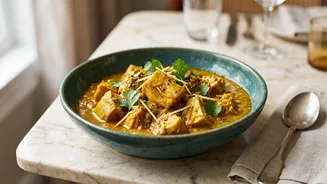
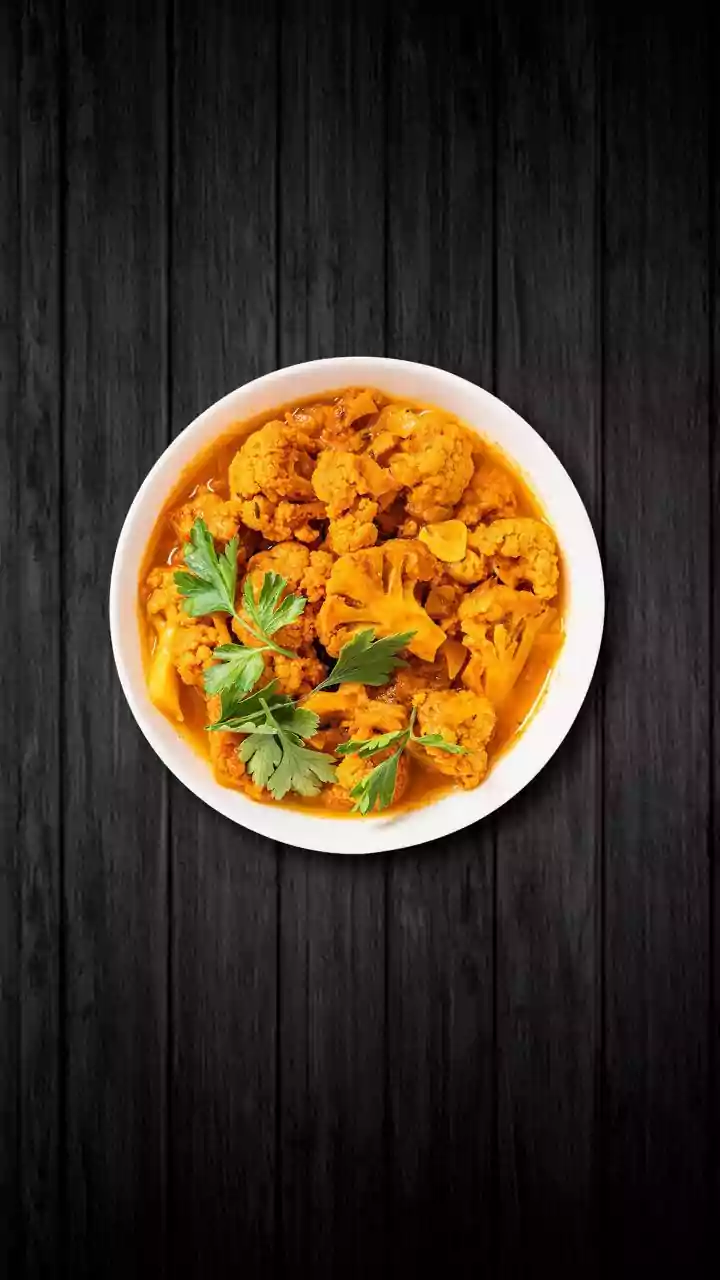
This recipe reflects the classic 'Parsi Club' style—comforting, authentic, and perfected over generations. It’s a korma-style gravy that balances creaminess with a gentle spice. Ingredients: - 500-600g raw jackfruit (kathal), cleaned and cut into chunks - 2 medium onions, finely chopped - 1 large onion, thinly sliced for frying - 1 tbsp ginger-garlic paste - 1 cup thick curd (yoghurt), beaten - 50g cashews or chironji, soaked - 1 tbsp poppy seeds, soaked - Whole spices: 2 cinnamon sticks, 4-5 cloves, 4 green cardamoms - Powdered spices: 1 tsp coriander powder, 1/2 tsp red chilli powder, 1/4 tsp turmeric powder - 2-3 green chillies, slit - A handful of fresh coriander, chopped - Ghee or vegetable oil for frying - Salt to taste Method: 1. Begin by shallow frying the jackfruit pieces in ghee or oil until they are lightly browned on all sides. This step is crucial for texture. Set aside. 2. In the same pan, fry the thinly sliced onion until crisp and golden brown. This is 'birista' and will be used for garnish and flavour. 3. Make a fine paste of the soaked cashews and poppy seeds. Mix this paste into the beaten curd. 4. Add a little more ghee to the pan and temper the whole spices (cinnamon, cloves, cardamom) until fragrant. Add the chopped onions and sauté until they turn soft and golden. 5. Add the ginger-garlic paste and cook for a minute until the raw smell disappears. Then, add the powdered spices (turmeric, chilli, coriander) and cook for another minute. 6. Return the fried jackfruit pieces to the pan. Add about a cup of water and salt. Cover and simmer on low heat until the jackfruit is tender, which can take 15-20 minutes. 7. Once tender, lower the heat and slowly stir in the curd-nut paste. Cook for another 5-7 minutes, ensuring the gravy doesn't split. Do not boil vigorously. 8. Finish by adding the slit green chillies, half of the fried onions, and fresh coriander. Stir gently. Serve hot, garnished with the remaining fried onions.
More Than a Meal: A Story in Every Bite
Preparing this kathal curry is about more than just dinner. It's an act of participation in a living history. Each step connects to a part of the Parsi journey. Frying the jackfruit to give it a meaty texture speaks to a meat-centric heritage. The blend of warming spices with the sourness of curd and the subtle sweetness from the onions is the taste of a culture that mastered the art of balance—in its food and its identity. It’s a dish that tells a story of resilience and fusion, proving that heritage is not just preserved in monuments or texts, but also in the warmth of a kitchen and the flavours shared around a dining table.