





A Changing of the Guard
Meta is preparing for a significant transition within the division responsible for building its global AI infrastructure. Santosh Janardhan, a 17-year veteran who was instrumental in scaling the company's data centers and networks, will be stepping down
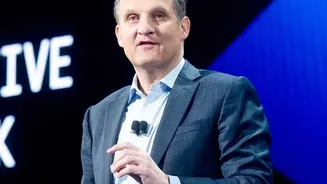
in early 2027. He will be succeeded by David Brown, a former senior vice president from Amazon Web Services (AWS) who joined Meta in July 2026. This move is not an abrupt shake-up but a deliberate handover. Janardhan will stay on through the first quarter of 2027 to ensure a smooth transition, framing the change as passing the baton as Meta enters a new phase. Brown's deep experience in cloud computing at AWS signals Meta's intense focus on building dependable, massive-scale infrastructure to power its AI ambitions.
The Engine Room of AI
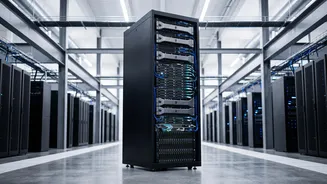
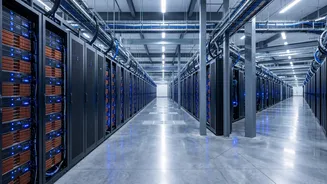
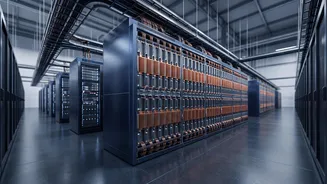
The infrastructure team that Brown will now lead is the engine room for all of Meta's AI efforts. This group builds and manages the colossal data centers, custom silicon chips, and networking capabilities required to train and run everything from the AI that recommends Reels to the development of future artificial general intelligence (AGI). In recent years, this has meant spending on a scale that is hard to comprehend, including building multiple gigawatt-scale data centers simultaneously. The success of Meta's consumer-facing AI products, like its Muse assistant, and its open-source Llama models, depends entirely on the power and efficiency of this underlying hardware. This leadership change is happening at the very heart of Meta's strategic future.
Guidance vs. Actuals: A Primer
To understand the pressure on this team, it is crucial to understand two key financial terms: spending guidance and actual spend. 'Guidance' is the forecast that a company provides to investors about its expected capital expenditures (capex) for a future period. For 2026, Meta has guided that it expects to spend between $135 billion and $145 billion, a staggering figure aimed squarely at its AI buildout. 'Actual spend', or actual capex, is the amount of money the company really spends during that period. A significant gap between the two can signal many things: projects moving faster or slower than expected, changing priorities, or challenges in execution. For Meta, sticking to this massive budget is a test of operational discipline.
Reading Between the Billions
The leadership transition comes at a moment of intense investor scrutiny over Meta's spending. In its most recent quarter, the company's capital expenditures of $34.91 billion actually outpaced its cash flow from operations, leading to negative free cash flow for the first time in over a decade. This means Meta is investing money faster than it is bringing it in from its regular business activities, a clear sign of its all-in strategy. While the company's revenue remains strong, the sheer scale of the AI investment has made Wall Street nervous. Appointing an executive like Brown, with a track record of managing one of the world's largest cloud infrastructures at AWS, can be seen as a move to reassure investors that this money will be spent efficiently and effectively as Meta doubles down on its strategy.
The AI Arms Race
Meta is not investing in a vacuum. It is locked in an AI arms race with competitors like Google, Microsoft, and Amazon, who are all pouring hundreds of billions collectively into their own infrastructure. Meta's strategy, however, is unique in its focus on building its own custom hardware and its commitment to open-source models like Llama. This approach requires immense upfront capital but could provide a long-term competitive advantage if successful. The leadership of the infrastructure team is therefore not just a technical role; it is a strategic one, responsible for executing one of the largest corporate bets in technological history. The new leadership will be tasked with ensuring Meta’s enormous spending translates directly into a lead in the race to AI supremacy.