



A Monsoon in Deficit
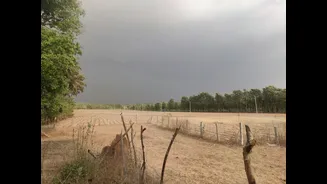
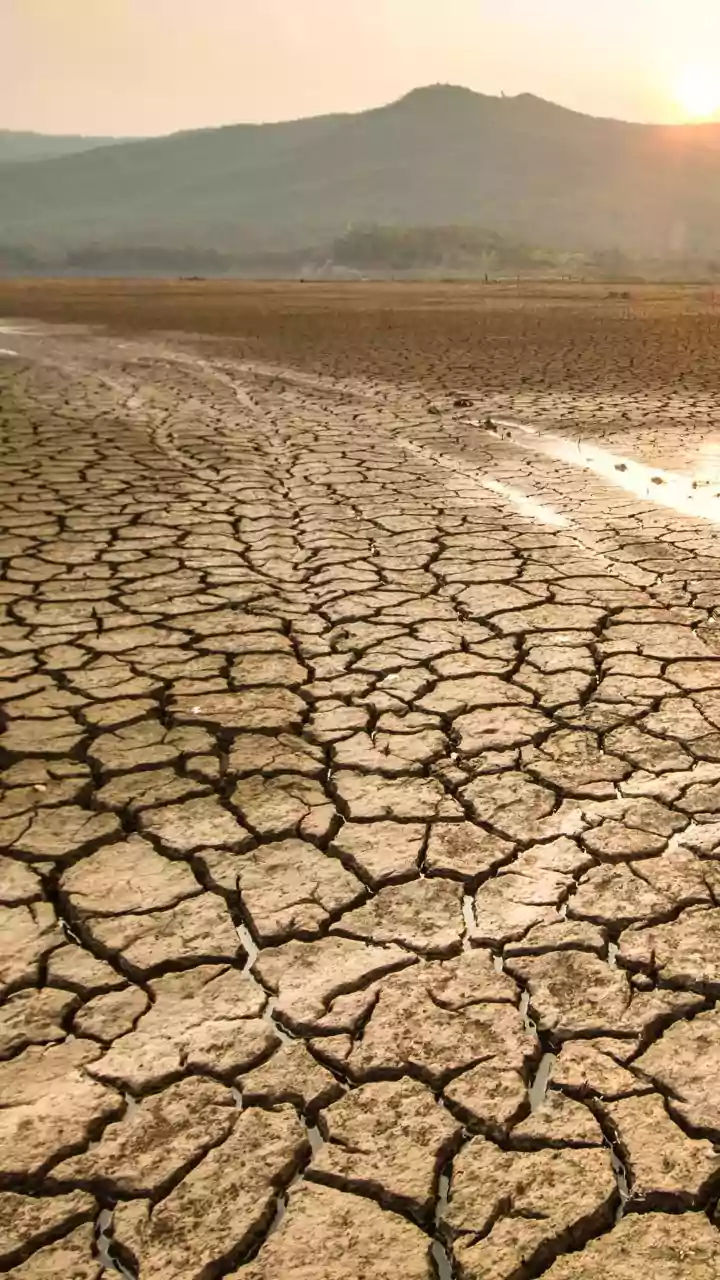
India's southwest monsoon, which runs from June to September, concluded the 2026 season with a significant rainfall deficit of around 12.6%. This makes it the weakest monsoon season the country has experienced in over a decade, since 2015. The India Meteorological
Department (IMD) reported that the country received 759.4 mm of rain against a long-period average (LPA) of 868.6 mm. The shortfall has been attributed largely to strengthening El Niño conditions in the Pacific Ocean. The rainfall distribution was also highly uneven; regions like East and Northeast India and the South Peninsula recorded deficits of about 25%, while Central India received normal rainfall. This patchiness is critical, as aggregate numbers can mask severe distress in specific agricultural belts.
From Paddies to Pockets
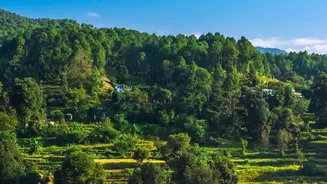
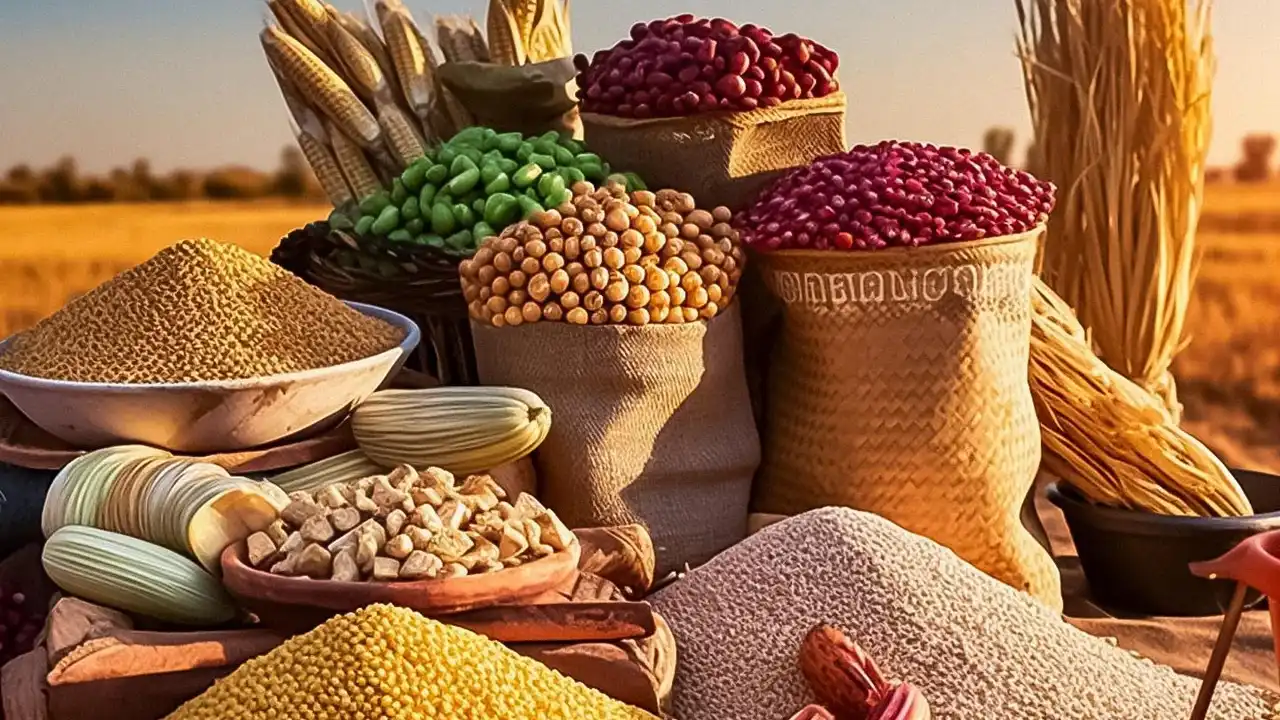
For rural India, the monsoon is the primary economic driver. A poor monsoon directly translates to lower farm incomes. The deficient rains have already impacted the sowing of kharif (summer) crops. As of late September 2026, total kharif acreage was down by 1.2% compared to the previous year. The area sown for crucial crops like rice saw a notable decline, with national acreage down 3.7%. This is particularly concerning as crops like rice are highly water-dependent, and water stress during their growth phase can severely reduce yields. Beyond crop output, a weak monsoon also reduces the demand for agricultural labour, leading to lower wages and less disposable income for a large section of the rural population. Real rural wage growth has already shown signs of stress, contracting earlier in the year.
The Ripple Effect on Festive Sales
Reduced rural income has a direct and immediate impact on festive season demand. Traditionally, this is the time when rural households make significant purchases, fueled by post-harvest earnings. Key sectors are bracing for a slowdown. Fast-Moving Consumer Goods (FMCG) companies, which rely heavily on rural markets for volume growth, may see weaker sales of everything from biscuits to soaps. Discretionary spending is expected to take an even bigger hit. This includes big-ticket items like two-wheelers and tractors, which are often a barometer of rural sentiment. Reports already indicate a decline in tractor volumes for major manufacturers. Similarly, demand for gold and apparel, which typically peaks during festivals like Diwali, could be subdued as households prioritize essential spending over discretionary purchases.
A Tale of Two Economies?
The potential rural slowdown contrasts with a more resilient urban consumer sentiment. While some surveys indicate a general caution among all consumers, urban demand appears to be holding up better. A September 2026 survey noted a recovery in consumer sentiment among urban Indians. This divergence could create a split-speed economy, where urban consumption continues to drive growth while the rural economy lags. This trend is already being noted by analysts, with sectors like passenger vehicles, largely an urban purchase, expected to see different growth trajectories than two-wheelers and tractors, which have higher rural dependency. While overall festive spending is still projected to grow, this growth may be overwhelmingly led by cities, masking the stress in the hinterlands.
What Analysts Are Watching
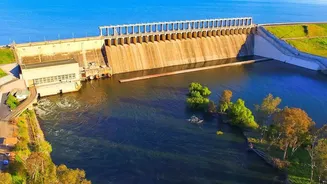
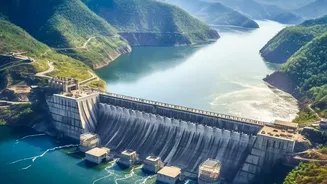
Economists and rating agencies are closely monitoring the situation. ICRA, a rating agency, has already cut its agriculture growth forecast for the fiscal year, citing the weak monsoon's impact on both kharif crops and the prospects for the upcoming rabi (winter) season due to depleted reservoir levels. The key indicators to watch in the coming months will be the sales figures from FMCG and auto companies, which will provide the first concrete data on the extent of the rural slowdown. Government actions, such as potential relief measures or increased spending under schemes like MGNREGS to boost rural employment and wages, will also be critical in mitigating the impact. Ultimately, the festive season's final tally will reveal just how deeply the poor rains have dampened the spirit of consumption across rural India.