


From Fusion Confusion to Thoughtful Adaptation
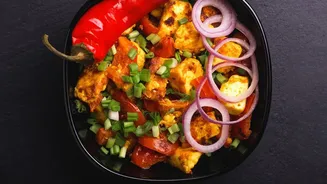
For years, 'fusion' food in India was a predictable affair. It often meant adding a dash of Indian spice to a Western dish or, most famously, topping a pizza with cubes of paneer tikka. While these early experiments introduced new ideas, the current trend
is far more nuanced and exciting. Today’s chefs are moving away from forced combinations and towards a more meaningful culinary dialogue. They are looking at global food trends not as concepts to be copied, but as frameworks to be filled with the unique tastes of India’s various regions. This shift is driven by a new confidence in local ingredients and a deeper understanding of both Indian and international cuisines. The result is a fluid, exciting culinary landscape where a dish can be both globally inspired and authentically Indian.
The Korean Wave Reaches the Indian Kitchen
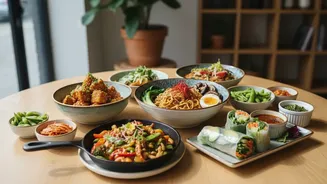
The massive popularity of Korean pop culture, from K-dramas to K-pop, has created a huge appetite for Korean food in India. Food delivery platforms have reported massive surges in orders for Korean dishes, with demand growing rapidly even outside major metro cities. But this isn't just about importing kimchi and gochujang. Chefs are creatively blending Korean staples with local tastes. Imagine paneer bulgogi rice bowls, spicy tandoori bibimbap, or even burgers that marry classic Indian patties with tangy Korean sauces. The accessibility of ingredients like gochujang paste in local supermarkets has empowered both restaurants and home cooks to experiment, leading to hyper-local creations that capture the spirit of Korean flavours while speaking to a distinctly Indian palate.
Japan’s Culinary Stars Get a Desi Makeover
Japanese cuisine, once seen as a niche or luxury taste, is now becoming a mainstream phenomenon across India. Ramen shops are opening in cities like Kochi, and sushi is a common sight on many cafe menus. The adaptation here is key. To make these dishes more approachable, restaurants are creating fusion versions that resonate with local flavour profiles. This includes everything from paneer or tandoori-flavoured sushi rolls to spicy ramen bowls that incorporate Indian spices. Chefs are also focusing on using local ingredients, such as sourcing fresh produce and even pork locally for dishes like agedashi tofu, giving them a unique Indian terroir. This approach makes the cuisine less intimidating and creates a bridge for diners to explore more authentic Japanese flavours over time.
Tacos and Tostadas with an Indian Soul
Mexican and Indian cuisines have a surprising amount in common, from their use of chillies and complex spice blends to their reliance on flatbreads and rice. This natural synergy has made Mexican food a perfect candidate for regional Indian adaptation. The trend has moved beyond generic fusion and into thoughtful combinations that feel both new and familiar. Chefs are filling soft tortillas with fillings inspired by regional specialities like Goan vindaloo or Chettinad chicken. Similarly, the concept of a salsa, a fresh, ground condiment, is very similar to the chutneys found across India, making it easy to swap one for the other and create something totally unique. You might find tacos filled with spiced paneer, or nachos topped with masala beans and a cooling mint chutney, creating a dish that honours both culinary traditions.
A New Confidence in Culinary Identity
This trend of reinterpreting global foods is about more than just novelty. It reflects a growing confidence among Indian chefs and diners alike. There is a move away from simply trying to replicate foreign dishes and a greater desire to present regional flavours with pride and creativity. Chefs are using their Indian heritage as a canvas and applying a global toolkit, creating dishes that tell a story. This might mean using ancient Ayurvedic principles in an avant-garde presentation or focusing on foraged Himalayan ingredients to define a new kind of local luxury. Ultimately, this new wave isn’t about diluting global trends for an Indian audience, but about enriching them with the incredible diversity of India’s own culinary heritage.