





1. The ‘Kanso’ Principle: Less is More
One of the cornerstones of J-Beauty is using fewer, but more effective, products. It’s not about a 12-step routine for the sake of it, but a curated selection that truly benefits your skin. This philosophy translates directly to the Japanese design principle
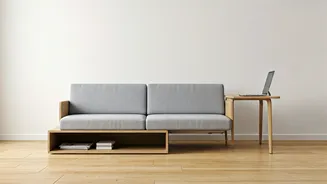
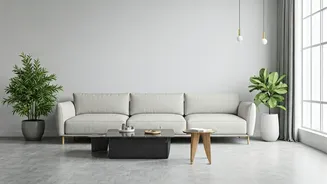
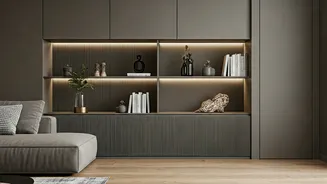
of ‘Kanso,’ which champions simplicity and the elimination of clutter. In an Indian home context, this isn’t about sterile, empty rooms. Instead, it’s about making conscious choices. Think of it as the ‘Marie Kondo effect’ with a beauty-inspired twist: does this object serve a purpose or bring you joy? By removing visual noise—excessive knick-knacks, mismatched furniture, and things you simply don’t use—you create a space that feels more breathable and serene. It’s about valuing the space itself, a true luxury in bustling Indian cities.
2. ‘Shizen’: Embracing Natural Materials
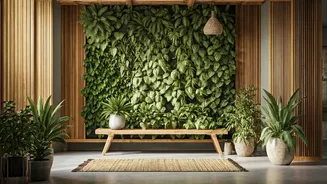
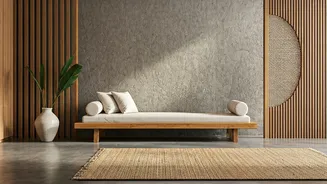
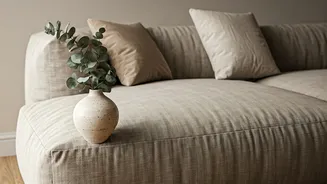
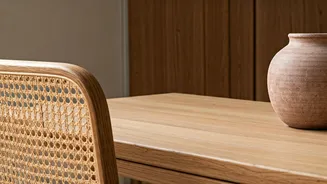
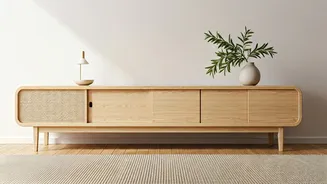
J-Beauty is renowned for its focus on natural, gentle, and high-quality ingredients like rice water, green tea, and camellia oil. The home equivalent of this is ‘Shizen,’ the appreciation for all things natural and authentic. This trend inspires us to move away from plastics and synthetic materials and towards textures that connect us with nature. For Indian homes, this is a beautiful and accessible shift. It means incorporating elements like solid wood furniture (teak, sheesham), jute rugs, linen or cotton curtains, terracotta pots, and stone accents. These materials not only add warmth and texture but also age gracefully, developing a patina and character over time, much like how J-Beauty focuses on long-term skin health rather than temporary fixes.
3. Layering for Depth and Comfort
A signature J-Beauty technique is layering lightweight, hydrating products—like an essence, a serum, and a moisturiser—to achieve plump, luminous ‘mochi hada’ or ‘rice-cake skin’. This concept of layering for depth can be beautifully applied to home interiors. Instead of one harsh overhead light, consider layering different light sources: a floor lamp for reading, a table lamp for ambient glow, and perhaps some soft, diffused ceiling lights. The same goes for textiles. A soft woollen throw on a cotton sofa, a plush rug on a cool marble floor, and sheer curtains that filter sunlight create a multi-sensory experience that is rich, comfortable, and inviting without being cluttered. It’s about building a sense of cosiness and complexity through texture and light.
4. ‘Ma’: The Power of Negative Space
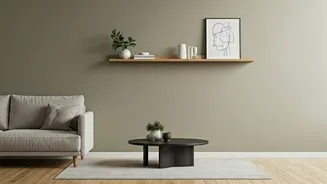
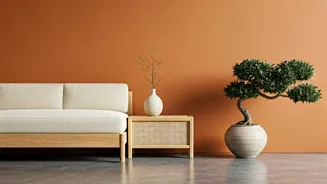
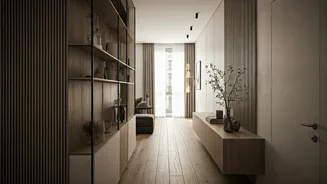
In J-Beauty, you allow products time to absorb before applying the next layer. You give your skin space to breathe. This is a perfect metaphor for ‘Ma,’ the Japanese concept of negative or empty space. It’s the pause in music that gives it rhythm; in design, it’s the uncluttered space that gives objects meaning. In a typical home, we often feel the need to fill every wall and corner. The Zen approach inspired by ‘Ma’ encourages us to resist this urge. An empty corner can be more calming than one filled with a redundant side table. A wall with a single, beautiful piece of art has more impact than a crowded gallery wall. This is especially powerful in smaller urban apartments, where strategically leaving areas empty can make the entire space feel larger and more peaceful.
5. ‘Shibui’: Quiet, Timeless Elegance
The ultimate goal of J-Beauty is not to follow fleeting trends but to achieve healthy, radiant skin that looks good for decades. This philosophy is called ‘Shibui’—a celebration of simple, unobtrusive, and timeless beauty. It’s about investing in quality that lasts. In home design, this means moving beyond fast-fashion decor that will feel dated in a year. Instead, it’s about choosing well-crafted furniture with clean lines, a neutral colour palette that soothes the senses (think beige, grey, off-white, and earthy tones), and decor that is personally meaningful rather than trend-driven. A handcrafted wooden bowl, a vintage brass lamp, or a beautifully woven textile holds more ‘Shibui’ elegance than a dozen mass-produced decorative items.