


Understanding Normal Leaf Loss
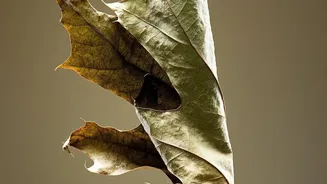
Just like trees outdoors, many houseplants go through natural cycles. It's completely normal for a plant to shed its older leaves, especially as seasons change. This is often the plant's way of conserving energy to push out new growth. Typically, this
natural process involves the oldest, lowest leaves on the plant turning yellow and dropping off one by one. If the rest of the plant, particularly the new growth at the top, looks healthy and vibrant, you are likely just witnessing a normal part of your plant's life cycle. Plants like Ficus, Crotons, and even Monsteras are known to do this as they acclimate or respond to shorter daylight hours in autumn and winter.
Signs Your Plant is Pot-Bound
A pot-size problem, on the other hand, is a cry for help. A plant becomes 'pot-bound' or 'root-bound' when its root system has completely filled the container, leaving little room for soil or further growth. This is a more serious issue that can stunt your plant's development. One of the most obvious clues is seeing roots visibly poking out of the drainage holes at the bottom of the pot. Another key sign is that you need to water it far more frequently than you used to; this happens because the dense mass of roots displaces the soil, which is needed to retain moisture. You might also notice that water seems to run straight through the pot without being absorbed. Stunted or unusually small new leaves are another symptom that the plant's growth is being restricted by its container.
The Definitive Root Check
To be absolutely sure if your plant is root-bound, you’ll need to perform a gentle inspection. Wait until the soil is relatively dry, then carefully turn the pot on its side. By holding the base of the plant, you should be able to gently slide the entire root ball out of the container. If you see a dense, tightly coiled web of roots with very little soil visible, you have a pot-bound plant. The roots might be circling the bottom or sides of the pot. A healthy root system that has adequate space will have roots distributed throughout the soil, which will be loose and crumbly.
Ruling Out Other Issues
Before you rush to repot, it’s wise to consider other common culprits for leaf drop. Overwatering is perhaps the most frequent mistake, leading to yellowing leaves and potentially fatal root rot. Conversely, underwatering can cause leaves to dry out, turn brown, and fall. Sudden changes in environment, such as a new location with different light levels, drafts from a window or vent, or a drop in humidity, can also cause a plant to drop leaves in protest. Finally, check the undersides of leaves and stems for common houseplant pests like spider mites or mealybugs, which can weaken a plant and lead to leaf loss.
How to Repot Correctly
If you've confirmed your plant is root-bound, it's time for a new home. Choose a new pot that is only about one to two inches wider in diameter than the current one. Going too large can lead to an excess of wet soil, which may cause root rot. When you remove the plant, gently massage the bottom of the root ball to loosen the coiled roots. Don't worry if a few small roots break. Place a layer of fresh, appropriate potting mix in the new pot, set the plant in, and fill in the sides with more soil, leaving about an inch of space at the top for watering. Water it thoroughly and give it some time to adjust to its new, more spacious environment.