




From Restriction to Mindful Indulgence
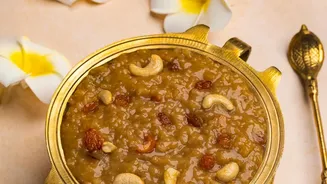
Forget the all-or-nothing mindset that labels foods as 'good' or 'bad'. The modern take on portion control is about mindful indulgence. It is not about avoiding the gulab jamun or the buttery naan; it's about enjoying them without the guilt and discomfort
of overeating. Health experts suggest this shift allows you to participate fully in celebrations while staying connected to your body’s needs. The goal is balance, not deprivation. By making conscious choices, you can savour the rich flavours of festive dishes, appreciate the social connections around meals, and feel good both during and after the event. This approach fosters a healthier, more sustainable relationship with food, one that celebrates culture and well-being simultaneously.
The Pre-Gathering Game Plan
One of the biggest mistakes is arriving at a party famished. Nutritionists advise that showing up with an empty stomach often leads to overcompensating at the buffet. A simple strategy is to have a small, protein-rich snack about an hour or two before you leave home. Options like a bowl of yoghurt, a handful of nuts, a boiled egg, or even a small paneer bhurji can curb intense hunger. Hydration is equally important. Often, our brains can mistake thirst for hunger. Drinking a glass of water before heading out, and continuing to sip water throughout the event, can help you feel fuller and make more deliberate food choices. This simple prep work ensures you are making decisions from a place of mindfulness, not starvation.
Master the Art of the Buffet Plate
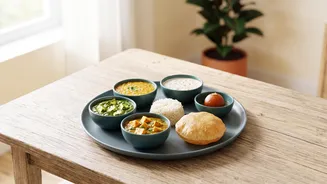
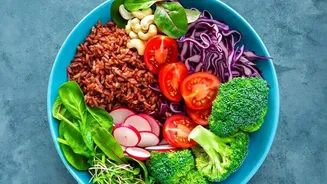
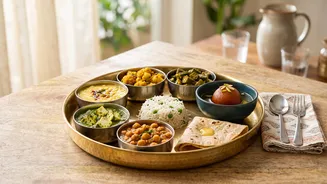
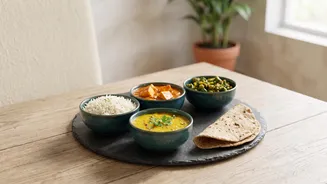
An Indian wedding or festive buffet is a feast for the senses, but it can also be overwhelming. Instead of diving right in, take a moment to survey the entire spread. Identify your absolute must-haves—the dishes you’ve been looking forward to—and prioritise those. Health experts recommend a practical strategy known as the 'plate method'. Fill half of your plate with salads and vegetables first. These high-fibre options help you feel full and aid digestion. Dedicate one quarter of your plate to a protein source, like dal, chana, grilled paneer, or chicken tikka. The final quarter is for carbohydrates such as rice, roti, or pulao. This method ensures a balanced intake of nutrients while still leaving room to enjoy the festive flavours. Choosing smaller plates can also psychologically help in managing portions.
Smart Swaps and Savvy Choices
Making small but strategic choices can significantly reduce the calorie load without sacrificing taste. When faced with options, opt for grilled, baked, or tandoori items over their deep-fried counterparts. For example, choose paneer tikka instead of fried paneer pakoras, or grilled fish over a cream-based fish curry. When it comes to sweets, the 'one-sweet rule' is a popular recommendation. Instead of sampling every dessert, pick your absolute favourite and savour a small portion of it mindfully. Be wary of sugary drinks and cocktails, as their calories can add up quickly. Opt for water, fresh lime soda, or buttermilk instead. These simple swaps allow you to enjoy the essence of the feast without feeling overly heavy later.
The Power of Eating Slowly
In the midst of lively conversations and celebration, it's easy to eat quickly without paying attention. However, practicing mindful eating can be a game-changer. It takes about 15-20 minutes for your brain to register that your stomach is full. By eating slowly, chewing each bite thoroughly, and placing your cutlery down between bites, you give your body time to send those fullness signals. This not only prevents overeating but also enhances the dining experience, allowing you to truly taste and appreciate the flavours and textures of the food. It also helps improve digestion. Rather than standing near the food tables while socialising, find a place to sit down and focus on your meal and the company you are with.