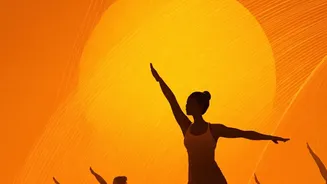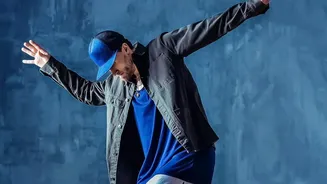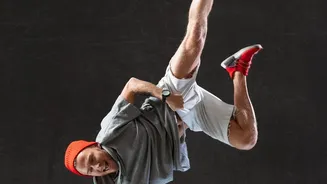




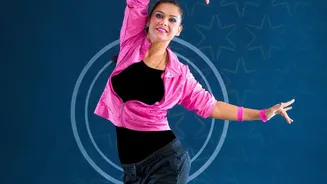

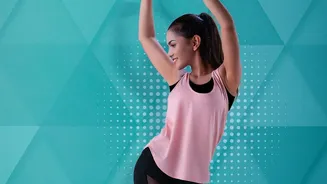
What Exactly Is Freestyle Dance?
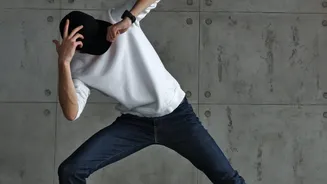
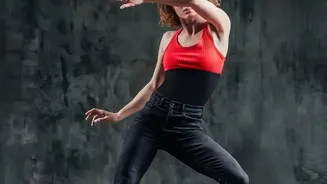
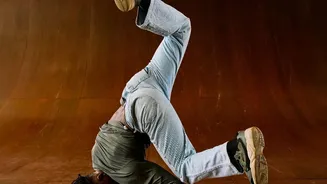
Freestyle dancing is simply improvising movement to music. There's no choreography to remember and no 'wrong' way to do it; it's about your body's spontaneous response to a beat. For beginners, this freedom can be both thrilling and daunting. The goal
isn't to perform complex tricks, but to explore how your body wants to move, building a unique movement vocabulary one step at a time. Forget what you think dancing 'should' look like and focus on how it feels. The most important first step is to simply start moving.
Warm-Ups Are Non-Negotiable
Before you even think about your first move, a proper warm-up is essential. Warming up gradually increases your heart rate and sends oxygen-rich blood to your muscles, which is crucial for preventing injury. A good warm-up improves performance by making your muscles more elastic and ready to move, reducing tension and increasing your range of motion. Your warm-up doesn't need to be exhausting; its purpose is to prepare your body, not tire it out. Start with dynamic movements like jogging in place, leg swings, and arm circles to get your joints and muscles ready for action.
Why Breaks Are Your Secret Weapon
In a culture that often glorifies non-stop effort, taking a break can feel like a failure. But in dance, it's a winning strategy. Short breaks aren't just for catching your breath; they allow your mind and body to process what you've learned. They prevent both mental and physical burnout, reduce the risk of overuse injuries, and give your muscles time to recover. A short rest can even improve your muscle memory, helping movements feel more natural when you return to them. Think of these breaks as active recovery—a chance to reset, refocus, and come back stronger.
Productive Pauses: What to Do on Your Break
A 'movement break' is more than just stopping. It's a chance to intentionally reset. Instead of collapsing on the floor, try one of these simple activities for 30-60 seconds: Hydrate: Take a few sips of water. Just Listen: Close your eyes and focus only on the music. Pay attention to layers you didn't notice before—the bass line, a subtle harmony, the rhythm. This helps you connect more deeply with the song. Gentle Stretches: Do a simple, static stretch for a muscle group that feels tight. Shake It Out: Loosen up your limbs, releasing any tension that built up during your dance session. * Mental Rehearsal: Think about a single move you want to try next. Visualizing the movement can be just as effective as practicing it.
Overcoming Beginner's Anxiety
It's normal to feel self-conscious when starting. The fear of being judged, looking awkward, or running out of ideas is common. Remember that most people are too worried about themselves to be watching you. Instead of comparing yourself to experienced dancers, view them as inspiration for what's possible with practice. If you feel stuck, start small with a simple two-step or body roll. The key is to get out of your head and just feel the music. The more you practice in a private, non-judgmental space, the more your confidence will grow.