






The All-Too-Common Storage Trap
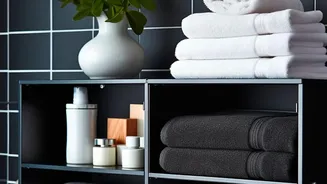
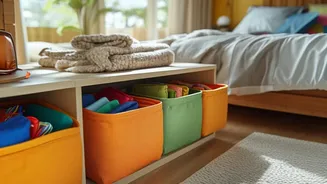
When counters are covered and closets are overflowing, the instinctive reaction is often to buy our way out of the problem. We invest in matching bins, stylish baskets, and clever drawer dividers, believing that a new container will finally bring order.
However, professional organizers agree this is usually the last step you should take, not the first. Buying storage before decluttering simply gives you a prettier way to hide items you may not need, use, or even like. This approach often leads to what is called “procrastination with handles”—you’re not solving the clutter problem, just shuffling it around. The real goal of organization is not to get better at storing things, but to create a functional environment that supports your daily life with less friction and less stuff to manage. More storage can even psychologically encourage you to acquire more, filling the new space and perpetuating the cycle.
Audit Your Daily and Weekly Essentials
The most effective way to begin is to identify the items you use constantly. Forget organizing your entire home at once and focus on function. Walk through your daily and weekly routines. What do you reach for every single morning without fail? Think about your coffee-making station, the items on your nightstand, or the tech and chargers you use daily. In the entryway, what do you grab on your way out the door? These are your high-frequency items. Make a list or, even better, gather these items from wherever they are currently scattered. This simple audit forces you to confront what is truly essential to your life right now. Many people are surprised to find that a small fraction of their belongings accounts for the vast majority of their daily use. This process isn't about getting rid of everything else; it’s about giving your most-used items the most valuable real estate in your home.
Create Zones Based on Frequency of Use
Once you’ve identified your essentials, the next step is relocation. The core principle is to make it easier to put things away than to get them out. A common organizational strategy involves creating zones based on how often you need things. One popular method defines different storage areas by urgency and frequency.
Zone 1 is for your everyday items. These should be kept close at hand, ideally without needing to open a door or drawer. A tray by the door for keys and sunglasses, or a small caddy on the bathroom counter for your morning routine items, keeps them visible and accessible.
Zone 2 is for things you need urgently but not daily, like a first-aid kit or batteries. These should also be easy to access but can be stored in a designated cabinet or a clearly labelled bin. By creating these prime-access zones, you ensure your most important items are never lost in the clutter of less-needed belongings.
Relocate, Don't Just Re-Box
With your essentials now in prime position, you can address everything else. This is where you organize by category, not just by room. For example, instead of having batteries in the kitchen junk drawer, the office, and the garage, gather them all in one spot within your 'urgent items' zone. This prevents you from buying duplicates because you can’t find what you already own.
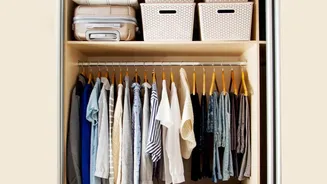
Items used less frequently—seasonal decor, specialty cookware, memorabilia—can be moved to more out-of-the-way storage areas like the top shelves of closets, a guest room wardrobe, or the garage. The key is to group like with like. If you find you have an excess of items you rarely use, that’s your cue to declutter—donate, sell, or discard what no longer serves your current lifestyle. You should declutter before you pack things away, not after.
When Is It Finally Time to Buy Storage?
After you have decluttered and repositioned your belongings according to how you actually live, you may find you have plenty of storage containers already. Use what you have first—cardboard boxes or old bins can serve as temporary solutions while you test your new system. Live with the new layout for a few weeks. Do you find it easier to find things and keep the space tidy? If, after all this, you still have a genuine need—like wanting uniform, stackable bins for your secondary storage to maximize vertical space—now is the time to shop. Measure your spaces, know exactly what you need to store, and buy only what is necessary. This mindful approach ensures your purchase serves a real purpose rather than just enabling clutter.