




Kolkata’s Grand Puja Preparations
In Kolkata, the build-up to Durga Puja is an event in itself. Preparations begin weeks, sometimes months, in advance, with the entire city becoming a canvas for artists and artisans. The most significant impact on travel comes from the construction of
pandals—temporary, elaborate structures that house the idols of Goddess Durga. These pandals, often sprawling artistic marvels, can occupy entire lanes of roads and sidewalks, particularly in the famous puja hubs of North and South Kolkata. This means that even before the main festival days arrive, you can expect narrowed roads, diversions, and increased congestion as construction materials are transported and work commences. Key thoroughfares and the narrow lanes of older neighbourhoods alike are affected, making it wise to start planning for longer travel times well before the festivities officially kick off.
Your Kolkata Travel Game Plan
To navigate Kolkata effectively during this period, rethinking your transport is key. Driving a private vehicle can become a significant challenge due to road closures, one-way street implementations, and a severe lack of parking near popular areas. The Kolkata Metro becomes the city's lifeline, offering the most reliable and efficient way to travel between North, Central, and South Kolkata, bypassing the traffic on the streets. Authorities often extend Metro hours during the main puja days to accommodate the massive crowds. For shorter distances within a neighbourhood cluster, walking is often the fastest option, as many roads become pedestrian-only in the evenings. App-based cabs and auto-rickshaws remain available, but be prepared for surge pricing and significant delays, especially during peak evening hours when pandal-hopping is in full swing.
Varanasi: Faith, Crowds, and Ramlila
In Varanasi, the festive calendar is dense, but the period leading into October is dominated by the world-renowned Ramlila of Ramnagar, a month-long theatrical retelling of the Ramayana that is recognised as a UNESCO Intangible Cultural Heritage. This unique event involves moving stages, with scenes enacted at different locations across the town each evening. This, along with preparations for Dussehra, leads to a massive influx of devotees and spectators. The primary travel impact is concentrated around the ghats, the Kashi Vishwanath corridor, and the narrow lanes of the old city. Authorities often implement 'no-vehicle zones' and strict traffic diversions to manage the immense crowds, which can swell to several hundred thousand people daily. Vehicles from outside the city may be stopped at designated parking areas on the outskirts.
Smart Travel in the Holy City
Getting around Varanasi during this busy season requires patience and a shift away from four-wheeled transport in core areas. The ancient city's labyrinthine alleys are best explored on foot. For slightly longer distances, cycle-rickshaws are an excellent choice, as they can navigate passages inaccessible to larger vehicles. If you are travelling by car, expect to be stopped well before the main ghat areas like Dashashwamedh and Assi. Traffic police enforce strict no-entry rules, particularly for four-wheelers, on roads leading to Godowlia, the main hub for accessing the ghats and the temple. It is crucial to follow official advisories, use designated parking lots, and be prepared to walk the final one or two kilometres to your destination near the riverfront.
Planning for Air and Rail Journeys
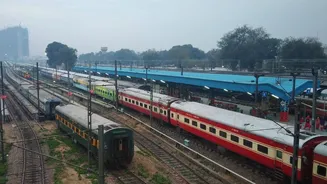
The festival effect extends beyond city streets to major transport hubs. Airports and railway stations in both Kolkata and Varanasi experience a significant surge in passenger numbers. If you plan to travel during this period, booking flights and train tickets several months in advance is essential. Fares can increase dramatically closer to the festival dates. On the day of travel, anticipate larger crowds and longer queues at check-in counters and security. It is advisable to arrive at the airport or station earlier than you normally would to account for potential delays on the roads and within the terminals. With thousands of people travelling home or visiting for the celebrations, a little extra buffer time can ensure a much smoother start to your journey.