


The Challenge of Water Scarcity
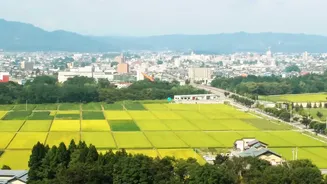
Maharashtra is home to the most agricultural pump connections in India, with roughly 4 million grid-connected pumps and over 8.5 lakh diesel or off-grid pumps. For many smallholder farmers, particularly in drought-prone areas like Marathwada and Vidarbha,
water access is a constant struggle. Unreliable grid electricity means power is often unavailable when crops need it most, while diesel pumps are expensive to run, with rising fuel costs eating into already thin profits. This dependence on unpredictable energy sources has historically limited farmers to a single rain-fed crop, increased debt, and even forced migration in search of work during dry seasons.
A Small but Powerful Solution
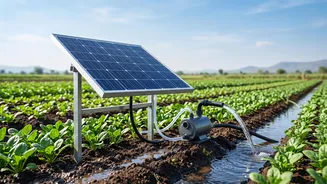
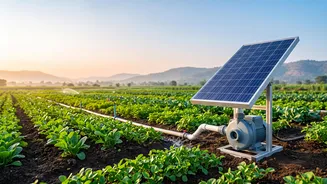
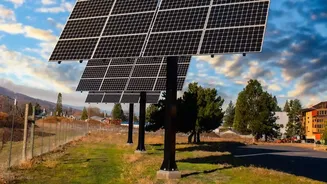
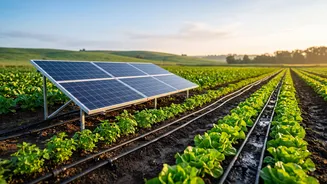
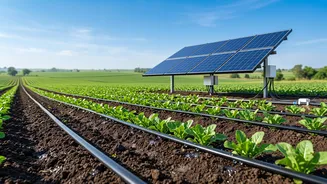
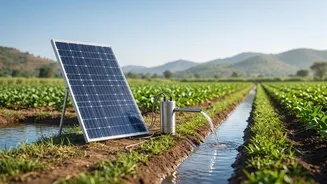
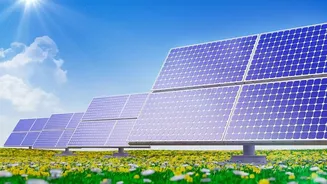
The answer is arriving in the form of off-grid solar water pumps. These systems use photovoltaic panels to convert sunlight directly into electricity to power a pump, drawing water from wells, borewells, or rivers. Because they are not connected to the electrical grid, they can be installed in remote locations, providing a consistent, independent power source for irrigation. The pumps are typically small-capacity models, ranging from 1 to 7.5 horsepower, perfectly suited for the small landholdings common in the state. This technology provides reliable daytime power, which is precisely when crops need water and when the sun is at its strongest, eliminating the uncertainty of grid supply and the recurring expense of diesel fuel.
How Affordability Unlocks Access
While the upfront cost of a solar pump system can be significant, government initiatives have made them accessible to farmers. Through central and state schemes like the Pradhan Mantri Kisan Urja Suraksha evam Utthaan Mahabhiyan (PM-KUSUM) and Maharashtra's own Magel Tyala Saur Krushi Pump Yojana, farmers can receive massive subsidies. Under these schemes, a farmer in the general category may only have to pay 10% of the pump's cost, while farmers from SC/ST categories pay as little as 5%. The remaining 90-95% is covered by government subsidies. This financial support has been a game-changer, turning a high-capital investment into an affordable, long-term asset for even the most resource-strapped farmers.
Transforming Lives and Livelihoods
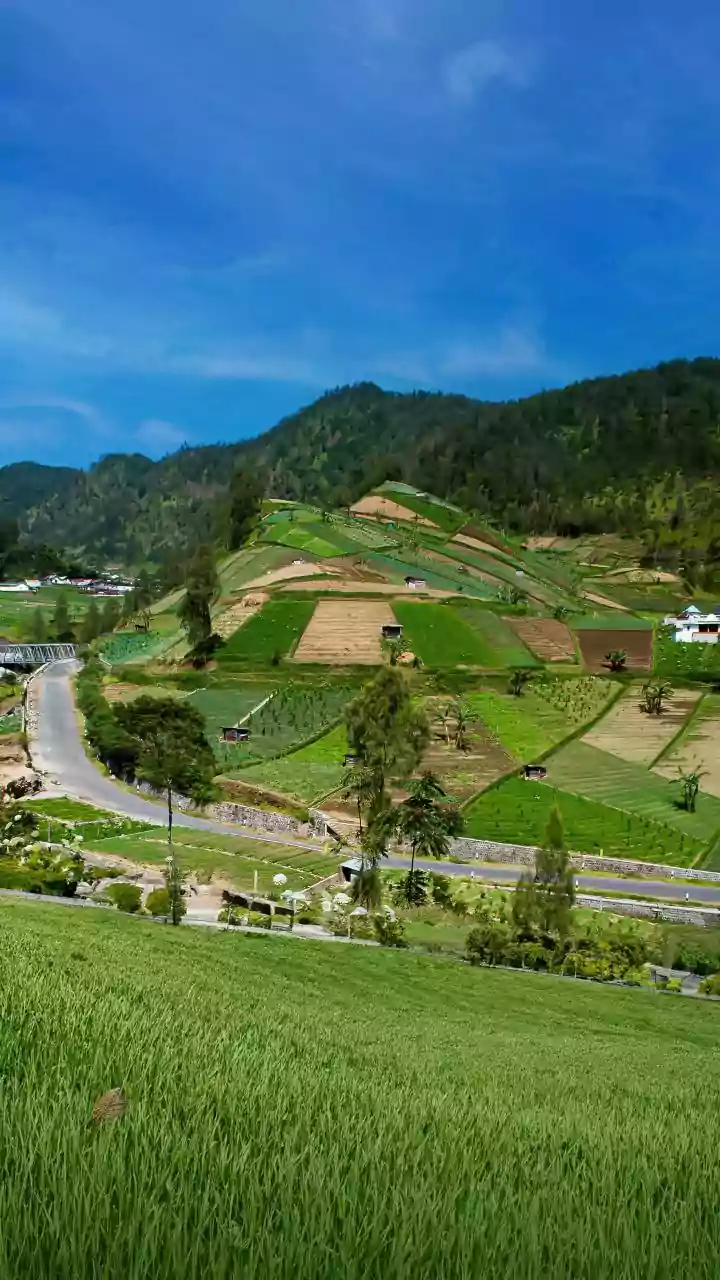
The impact on the ground is profound. In villages like Tulyachapada in Palghar district, the installation of shared solar pumps has allowed 108 households to irrigate nearly 100 acres of land that were previously fallow outside the monsoon season. Farmers are now able to cultivate a second or even a third crop, diversifying from traditional paddy to cash crops like groundnuts, vegetables, and fruits. This has led to a dramatic increase in income, improved food security, and a reported 90% reduction in distress migration from the village. Access to reliable water, often combined with micro-irrigation techniques like drip systems, also ensures more efficient water use, which is critical in these water-stressed regions.
The Road Ahead for Water Security
Maharashtra has aggressively pursued this solution, setting a world record in late 2025 for installing nearly 46,000 off-grid solar pumps in a single month. The state has installed over 7.47 lakh pumps and has ambitious targets to deploy more, cementing its role as a leader in solar-powered agriculture in India. By empowering farmers with their own independent and sustainable source of energy and water, these micro-pumps are doing more than just irrigating fields. They are cultivating economic resilience, strengthening rural communities, and paving the way for a more sustainable and prosperous future for agriculture across the state.