








The Monsoon's Mid-Year Report Card
The India Meteorological Department (IMD) has forecast a “below-normal” southwest monsoon for 2026, projecting rainfall at 90% of the Long Period Average (LPA). This is the first such forecast in over a decade and has been influenced by the development
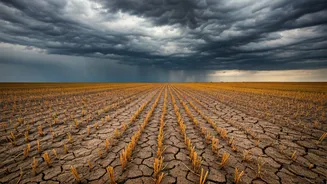
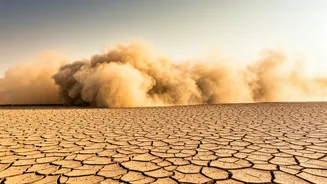
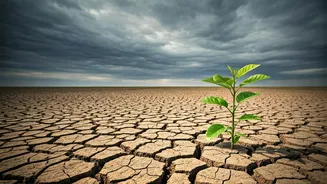
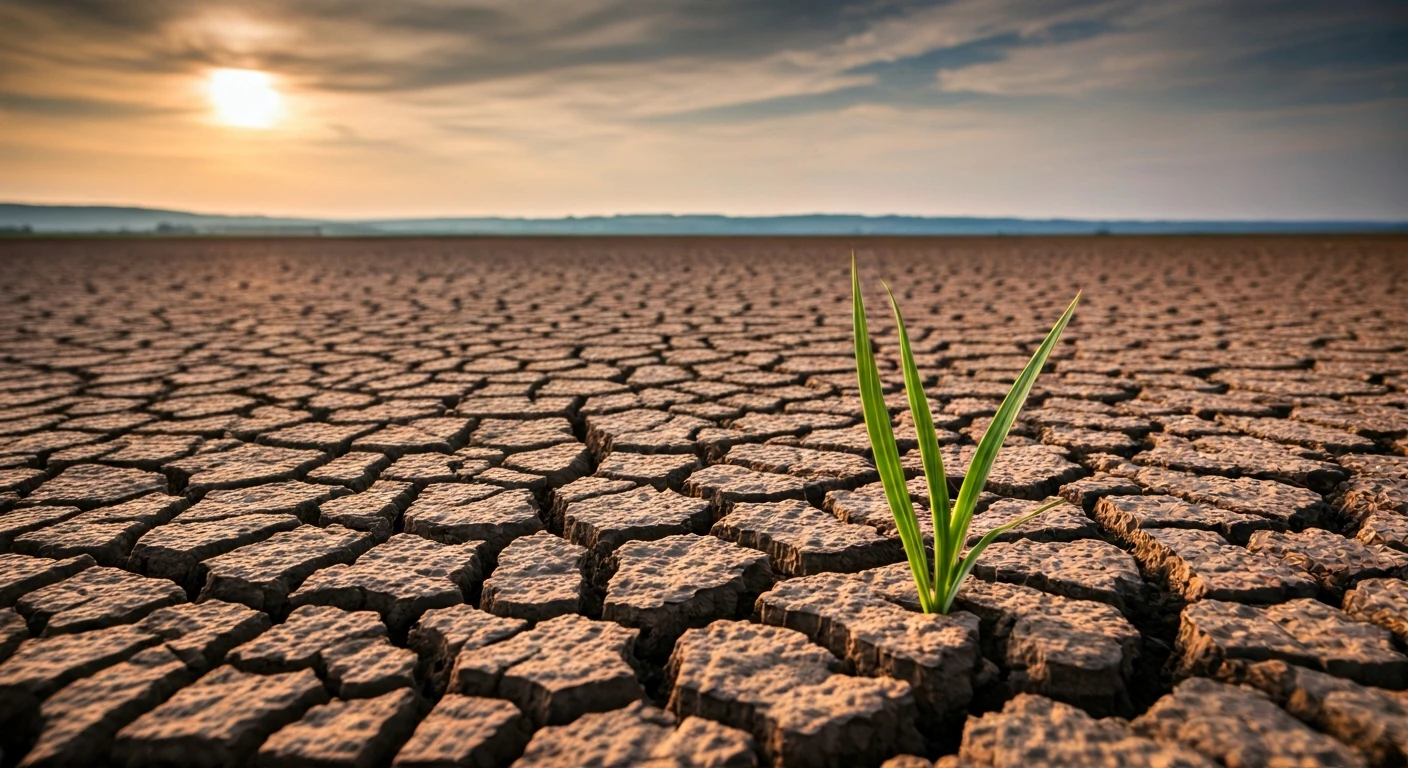
of El Niño conditions, a climate pattern that typically suppresses rainfall over India. By mid-June 2026, the country's rainfall deficit was already running 43% below normal, raising concerns within the government. While the monsoon has since advanced into several states, including Maharashtra, Odisha, and Bihar as of June 23, the slow start and overall deficit are causing alarm. The Agriculture Minister has warned that around 315 districts are at risk of receiving below-normal rainfall, which could adversely impact the crucial kharif sowing season.
The Kharif Crop Conundrum
The monsoon's performance is critical for India's kharif (summer) crops, as nearly half of the country's net sown area is rain-fed. A weak or delayed monsoon directly impacts the sowing and yield of essential crops like rice, pulses (like tur, moong, and urad), oilseeds (soybean, groundnut), and cotton. Early data from the Ministry of Agriculture indicates a slow start to the sowing season. As of mid-June, the total area sown for kharif crops was slightly lower than the previous year. While rice sowing showed a slight increase, the acreage for pulses and cotton saw a significant decline. The sowing of pulses like tur and moong was down by over 55% compared to the same period last year. These early trends are worrying because pulses and oilseeds are predominantly grown in rain-fed regions and are highly vulnerable to erratic rainfall.
Your Grocery Bill Under Pressure
For the average household, a weak monsoon often translates to higher food prices. While the impact isn't always immediate, a prolonged dry spell or uneven rainfall can quickly push up the cost of daily essentials. Vegetables are often the first to feel the pinch, with prices of staples like tomatoes and onions known to be highly sensitive to rainfall patterns. Following vegetables, the prices of pulses and edible oils are the next to watch. With the sowing of pulses already lagging, any further disruption could lead to a supply crunch and subsequent price hikes. Economists are now shifting their inflation concerns from fuel to food, with the monsoon's progress being a key variable for the remainder of 2026. Though India has comfortable buffer stocks of rice and wheat, which provides a cushion against immediate shortages, the prices of other food items remain a major concern.
Beyond the Plate: Ripple Effects on the Economy
The impact of a poor monsoon extends beyond the kitchen. The agricultural sector employs nearly half of India's workforce, and lower crop yields lead to reduced farm incomes. This, in turn, can dampen rural demand for goods and services, affecting sectors from fast-moving consumer goods (FMCG) to two-wheelers and tractors. A weak monsoon also puts a strain on water resources, impacting not just drinking water supplies but also hydropower generation, as authorities may need to prioritize water for irrigation over electricity. The government often has to step in with measures like releasing buffer stocks, potentially banning exports of certain commodities to stabilize domestic prices, and providing support to affected farmers, all of which have broader economic implications.